

British Longhair cat continue to rise in popularity across the globe, and for good reason. This beautiful long-haired breed blends the iconic look of the British Shorthair with the luxurious coat of longhaired cat breeds, creating a companion that feels both classic and modern. Their dense, semi-long fur, expressive round eyes, and soft “teddy bear” appearance instantly draw attention. As more families and first-time pet owners explore British Longhair cats, interest in their temperament, care needs, and daily lifestyle grows rapidly.
Today, many people search online for British Longhair cat breeders, compare different cat breeds before choosing one, or browse listings for a British Longhair cat for sale. Because this charming feline offers a calm temperament and a loyal, people-oriented personality, it fits beautifully into a variety of homes. In this guide, you’ll discover everything you need to know—from breed history and grooming needs to pricing, health, and how to find a reputable breeder—helping you make a confident and informed decision before welcoming a British Longhair into your life.
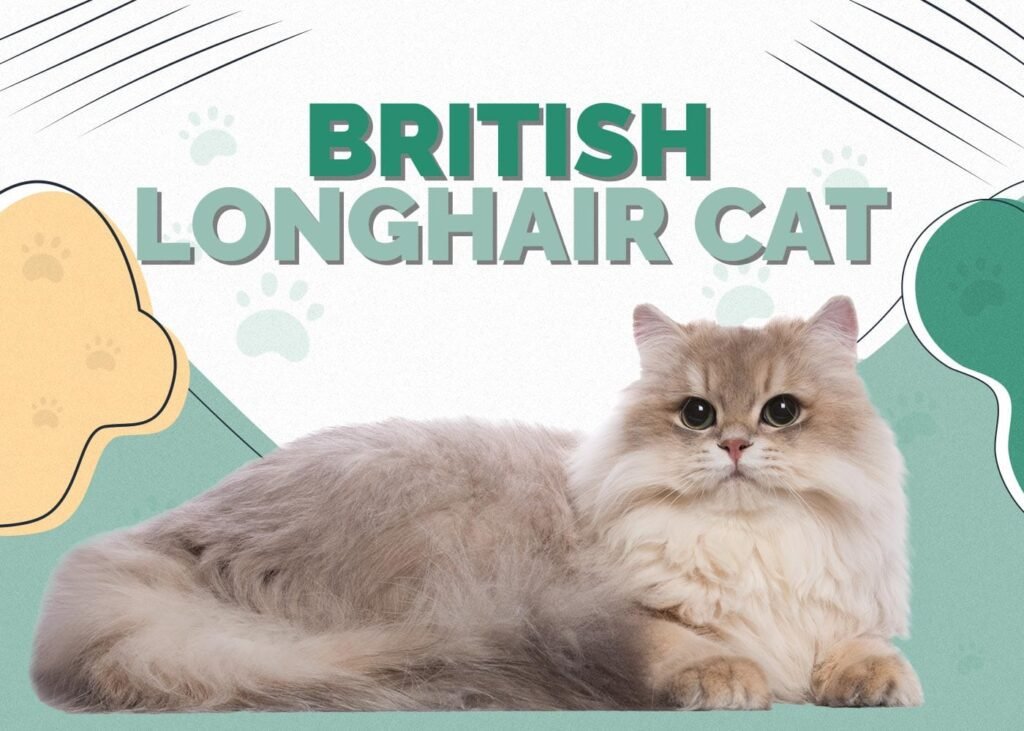
What Is a British Longhair Cat?
Breeders created the British Longhair as a medium-to-large purebred cat that directly descends from the iconic British Shorthair. This breed stands out primarily because it inherited a luxurious semi-long coat from Persian ancestors. Consequently, the British Longhair perfectly combines the Shorthair’s round, cobby body with flowing, elegant fur that turns heads wherever it goes.
Although the British Shorthair often steals the spotlight, the Longhair has rapidly earned recognition and admiration worldwide.
History and Origin
The British Longhair story started right after World War II. At that time, breeders deliberately crossed Persian cats with British Shorthairs to strengthen and revitalize the depleted Shorthair lines. Some kittens unexpectedly carried the recessive longhair gene. Initially, breeders considered these long-haired kittens undesirable variants. However, dedicated fanciers soon recognized their beauty. Over decades, they selectively refined these cats and thus established the consistent, breathtaking breed we celebrate today.
Today, major international cat associations fully recognize modern British Longhairs, and owners cherish them for their distinctive coat, balanced temperament, and classic British charm.
Appearance of British Longhair Cat: A Complete Breakdown
Coat Texture and Length
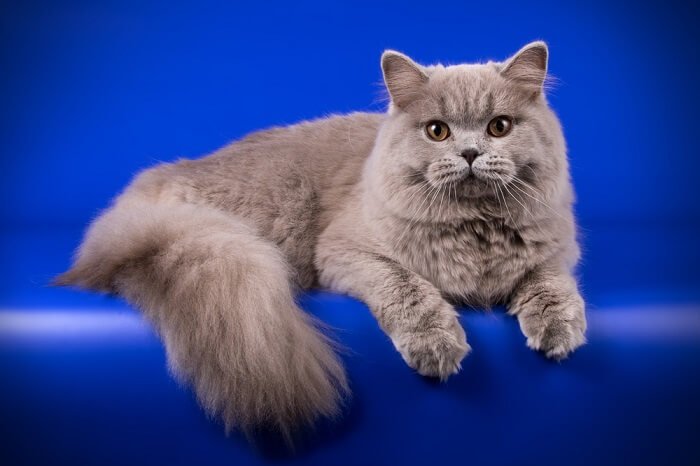
The semi-long, silky, dense, double-layered coat defines this breed more than any other feature. This luxurious fur makes every British Longhair look regal and irresistibly plush. Moreover, the coat flows generously around the neck, chest, and tail, which creates an elegant, lion-like mane.
Color and Pattern Variety
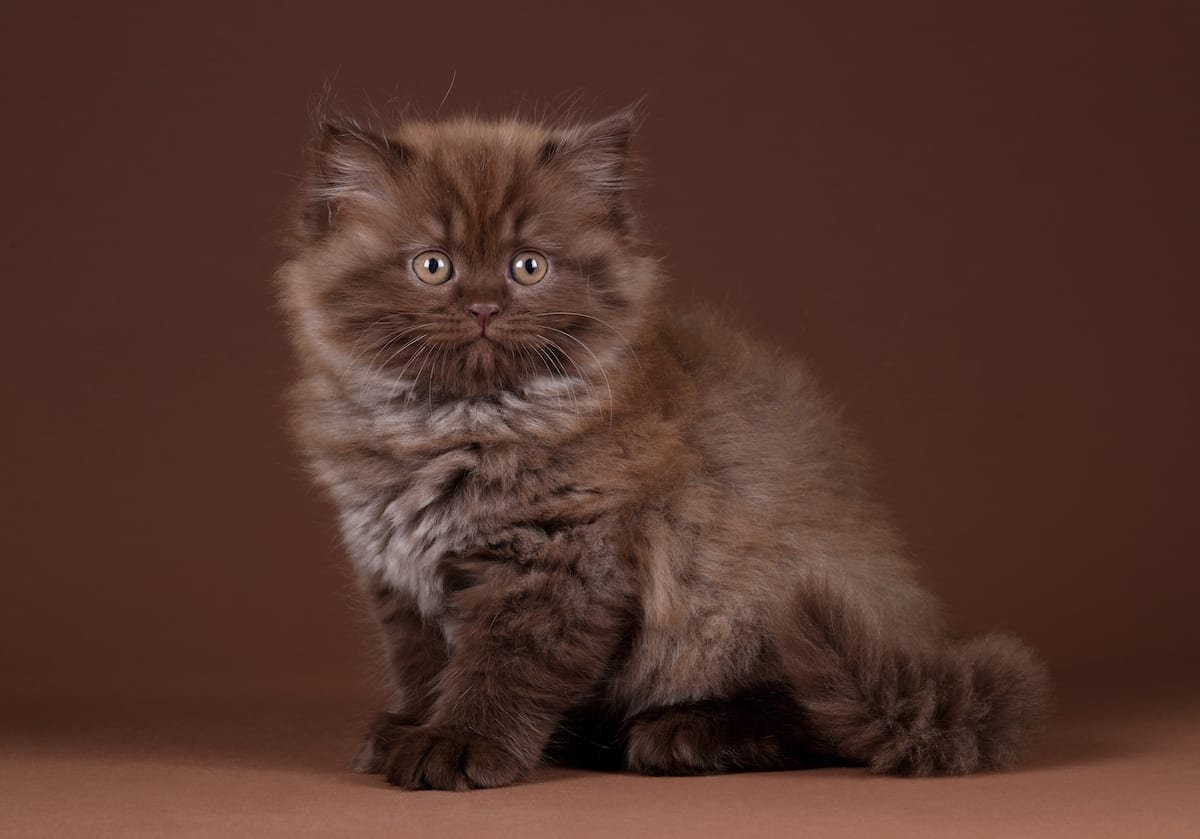
British Longhairs dazzle in virtually every color and pattern imaginable: solid blue, lilac, black, chocolate, white, cream, red, cinnamon, fawn, golden, and silver shaded; bi-color; tabby; colorpoint; and tortoiseshell. In particular, rare shades such as lilac, chocolate, golden shaded, and colorpoint command premium prices. Additionally, show-quality cats display vivid, bright eye colors and perfectly even, dense pigmentation.
Body Structure
These cats boast a powerful, muscular frame with broad shoulders and a deep chest. Their round face, full cheeks, and short, straight nose produce that signature sweet, teddy-bear expression everyone loves. Short, sturdy legs and round paws complete the compact yet powerful silhouette. Furthermore, a thick, plumed tail adds the final touch of fluffy majesty.
Eye Color
Coat color determines eye color, so British Longhairs can have striking copper, gold, blue, green, or odd-eyed gazes. Their large, round, expressive eyes radiate warmth and intelligence.
British Longhair Kittens Personality and Temperament
Calm and Affectionate Nature
British Longhairs remain gentle, quiet, and deeply devoted without ever becoming clingy. They cherish companionship, yet they happily entertain themselves. Therefore, they suit owners who want heartfelt affection paired with genuine independence.
Compatibility with Families
These cats bond beautifully with children, seniors, and other pets. Because of their patient, steady temperament, they thrive in busy, multi-pet homes.
Intelligence and Behavior
British Longhairs think sharply but stay remarkably relaxed. They eagerly tackle puzzle toys, enjoy gentle play sessions, and welcome daily interaction. Positive reinforcement works wonders, and many quickly learn simple commands. However, they never demand the intense exercise that high-energy breeds require.
Vocal Tendencies
This breed stays refreshingly quiet. They usually communicate through soft, melodic meows or adorable chirps—especially around mealtime or when they seek a quick cuddle.
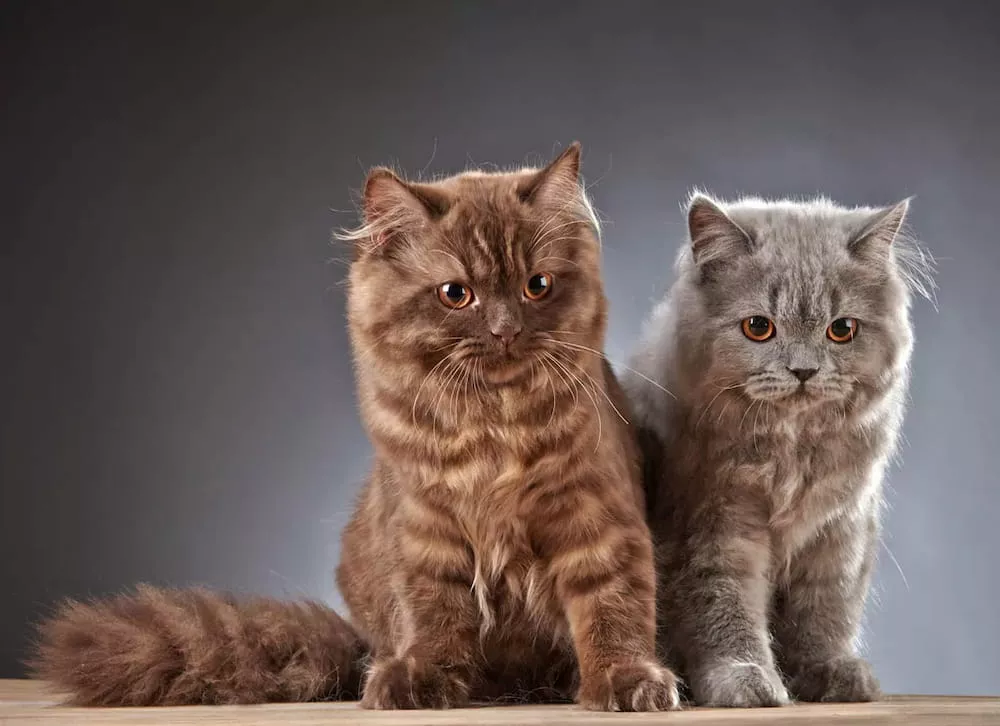
British Longhair Cat Growth and Size
British Longhairs mature slowly and reach full size between 3 and 5 years old.
- Females: 8–12 pounds
- Males: 12–16 pounds (sometimes more)
- Height at shoulder: 12–14 inches
Like their Shorthair cousins, they naturally carry a stocky build, so owners must monitor weight carefully.
British Longhair Grooming and Shedding Guide
Shedding Levels
British Longhairs shed moderately year-round and heavily during spring and fall. Their thick double coat traps loose hair, so consistent grooming prevents mats and keeps your home cleaner.
Grooming Routine
Brush your cat two to four times weekly to maintain that silky shine. During heavy shedding seasons, switch to daily brushing. First, use a wide-tooth metal comb for the undercoat, then follow with a slicker brush for the top layer. Bathing remains optional yet helpful. Additionally, trim nails regularly, clean ears gently, and brush teeth to protect overall health.
Coat Maintenance Tips
Lighter-colored cats reveal mats more easily, so pay extra attention to the chest, belly, and hindquarters. Above all, regular grooming sessions strengthen the precious bond between you and your cat.
British Longhair Health and Lifespan
Common Health Concerns
The breed generally enjoys robust health, but some individuals inherit conditions like hypertrophic cardiomyopathy (HCM), polycystic kidney disease (PKD), dental problems, or a tendency toward obesity from their Shorthair and Persian heritage.
Preventive Care
Responsible owners schedule regular veterinary check-ups, request screening tests when recommended, maintain dental cleanings, and watch portion sizes. Reputable breeders always test parents for hereditary diseases and only breed healthy lines.
Lifespan
With excellent care, British Longhairs typically live 12–16 joyful years—many even reach their late teens.
Recommended Nutrition Guidelines:
- Feed premium, protein-first cat food (no cheap fillers).
- Add wet food to support hydration and healthy digestion.
- Measure all portions carefully to avoid excess weight.
- Offer kittens several small meals throughout the day.
- Keep adults on a regular feeding schedule (usually morning and evening).
- Limit treats and avoid high-carbohydrate foods linked to obesity.
Ideal Home Setup:
- Ensure they stay indoors, since British Longhairs do not need outdoor access.
- Provide plush beds, window perches, and quiet resting spots.
- Add sturdy scratching posts to protect furniture and satisfy instincts.
- Use a few interactive toys to stimulate gentle indoor play.
- Keep the environment calm, stable, and people-focused.
British Longhair Cat Cost and Buying Guide
Price Range
- Pet-quality kittens: $800–$1,500
- Show or breeding quality cats: $1,800–$3,500+
- Rare colors (lilac, chocolate, golden shaded, colorpoint): prices rise significantly due to limited availability
- Influencing factors: color, bloodline, breeder reputation, and region all raise or lower the final price
Additional Costs
- Core expenses: high-quality food, grooming tools, litter, toys, and routine veterinary checkups
- First-year expenses:
- Initial vaccinations
- Spay/neuter surgery
- Microchipping
- Starter supplies (carrier, brushes, bed, bowls)
- Ongoing grooming: long fur requires regular brushing, occasional professional grooming, and anti-matting products
- Annual vet care: budget for vaccinations, deworming, and preventive treatments
Ethical Breeders
- Provide full health certificates to confirm the cat’s medical history.
- Share genetic test results to ensure strong and healthy bloodlines.
- Administer all required vaccinations before placement.
- Focus on early socialization to support confident, well-adjusted behavior.
Adoption Options
- In some cases, select shelters may also have British Longhairs available.
- Adoption remains uncommon for British Longhairs.
- However, you can occasionally find them through specialized long-haired rescues.
Quick Comparisons for British Longhair Cat Vs Other Breeds
| Comparison | British Longhair | Other Breed | Key Difference |
|---|---|---|---|
| British Longhair vs British Shorthair | Semi-long, plush coat; requires regular grooming; same calm temperament | Short, dense coat; needs only weekly brushing | Long fur with a flat face and a higher chance of breathing or eye problems; requires intensive daily care |
| British Longhair vs Persian | Long, luxurious fur with a moderate face and lower risk of health issues; easier grooming routine | Long fur with a flat face and higher chance of breathing or eye problems; requires intensive daily care | British Longhair offers lower maintenance and fewer health complications compared to the Persian |
Pros and Cons
Pros
- Exceptionally calm and easygoing
- Stunning, plush coat
- Wonderful with children and other pets
- Quiet and clean
- Perfect apartment companion
- Deeply loyal and affectionate
Cons
- Moderate to heavy seasonal shedding
- Requires regular brushing
- Not hypoallergenic
- Prone to weight gain if overfed
Frequently Asked Questions About the British Longhair Cat
- Do British Longhair cats shed a lot? Yes—they shed moderately year-round and heavily twice a year. Daily brushing during shedding season keeps everything under control.
- Are British Longhair cats hypoallergenic? No, they produce normal amounts of dander and Fel d 1 protein.
- What is the average British Longhair lifespan? Most live 12–16 years; many reach 18+ with top-notch care.
- How much does a British Longhair kitten cost in 2025? Expect $800–$1,500 for pet quality and $1,800–$3,500+ for show or rare colors.
- Are they good for first-time cat owners? Absolutely—their relaxed, forgiving nature makes them ideal beginner’s cats.
- Can they live happily in apartments? Yes, they thrive indoors and rarely display destructive behavior.
- Do they get along with kids and dogs? Their patient, gentle temperament makes them excellent family pets.
- How often should I groom a British Longhair? Brush 2–4 times weekly normally; switch to daily during spring and fall.
- What’s the main difference from a British Shorthair? Only the coat length—the Longhair has flowing semi-long fur; everything else remains virtually identical.
- Are British Longhairs high-maintenance? Not really. They need regular brushing, but they stay far easier than Persians or Maine Coons.
Why the British Longhair Cat Is the Perfect Companion
The British Longhair cat combines stunning elegance, affectionate behavior, and calm energy, making it a truly exceptional companion. Whether you want a show-quality beauty, a gentle family-friendly cat, or a relaxed indoor pet for an apartment, this breed delivers both grace and loyalty.
With consistent grooming, a balanced diet, and daily attention, your British Longhair will reward you with years of joy, companionship, and quiet comfort. For those searching for British Longhair cats for sale or reputable British Longhair cat breeders, investing in this breed ensures a lifelong bond with a loving, low-maintenance, and beautiful feline friend.
