

British Shorthair kitten behavior captivates new cat parents with its unique mix of playful bursts, quiet affection, and an early hint of the serene temperament that makes this breed one of the most beloved companions worldwide. These round-faced, plush-coated kittens often resemble miniature teddy bears, yet they display a distinct personality that evolves dramatically from kittenhood to adulthood.
Adult British Shorthairs earn fame for their calm, independent, and undemanding nature—they happily observe household activities from a favorite perch. In contrast, their kittens show far more energy and curiosity. Consequently, this contrast often surprises new caregivers and sparks questions about British Shorthair kitten personality, temperament, and whether certain actions signal normal development or emerging problems. This comprehensive guide explores every aspect of British Shorthair kitten behavior. Moreover, it places special emphasis on common British Shorthair kitten behavior problems and offers practical, breed-specific strategies that you can apply immediately.
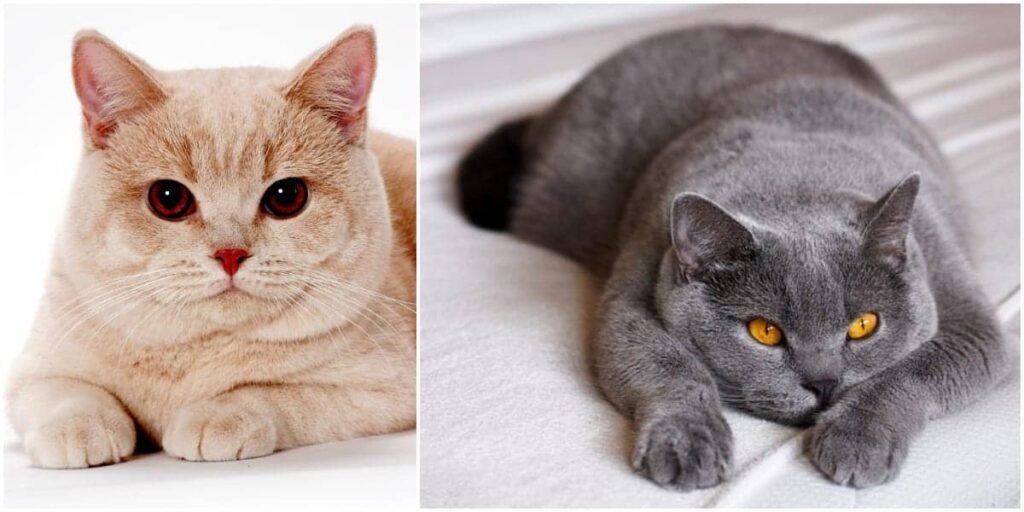
British Shorthair Kitten Personality and Temperament Overview
Breed enthusiasts frequently describe the British Shorthair as the “gentleman” or “gentlewoman” of the cat world. From early kittenhood, these cats reveal a balanced temperament: they offer affection without clinginess, engage in play without chaos, and demonstrate confidence without arrogance.
Key traits of British Shorthair kitten personality include:
- Moderate energy levels—kittens enjoy energetic play sessions and then settle into long naps.
- Affection on their terms—they love staying near family members but rarely demand constant attention.
- Quiet vocalization—unlike vocal breeds such as Siamese, British Shorthairs usually speak softly.
- Easygoing adaptability—properly socialized kittens adjust quickly to new environments.
- Strong independence—even young kittens entertain themselves comfortably.
For instance, British Shorthair kittens appear far less demanding than high-energy breeds like Bengals or Abyssinians. However, they seem quite active when compared to naturally low-energy breeds like Persians.
Developmental Stages: When Do British Shorthair Kittens Calm Down?
Owners often search for answers to “when do British Shorthair kittens calm down?” Individual variation exists, yet most kittens show a noticeable shift between 1 and 3 years of age.
- 0–12 weeks: Kittens play intensely, explore eagerly, and rely on littermates and their mother for social cues.
- 3–6 months: Energy peaks during this phase, with frequent “zoomies,” teething discomfort, and rapid growth.
- 6–12 months: Playfulness stays strong, but calm periods lengthen; adolescence occasionally brings boundary testing.
- 1–2 years: Energy gradually decreases; kittens increasingly display adult-like lounging habits.
- 2–4 years: Full maturity arrives; most cats fully embrace the classic laid-back British Shorthair temperament.
By understanding these stages, owners set realistic expectations. As a result, they avoid misinterpreting normal kitten energy as British Shorthair kitten hyperactivity.
Normal British Shorthair Kitten Behavior: Signs of a Happy, Healthy Kitten
Recognizing healthy behavior first helps you identify problems early.
Common positive signs include:
- Playful pouncing, chasing toys, and wrestling with littermates or solo “prey” like feather wands.
- Following family members from room to room without excessive meowing.
- Greeting you with head bumps, slow blinks, and gentle leg rubs.
- Kneading with paws—a comforting remnant of nursing.
- Sleeping 16–20 hours daily, often in cozy, elevated spots.
- Curious exploration of new objects without fear or aggression.
Additionally, a well-socialized British Shorthair kitten confidently approaches visitors, tolerates gentle handling, and recovers quickly from startling noises.
Common British Shorthair Kitten Behavior Problems and How to Fix Them
This easygoing breed can still develop challenges, especially during intense growth phases. Below, we examine the most frequently reported issues and provide detailed, step-by-step solutions.
1. Biting and Nipping (Including British Shorthair Kitten Aggression)
British Shorthair kittens possess strong hunting instincts. Their stocky build and powerful jaws make play bites feel sharp. Furthermore, teething between 3–7 months intensifies chewing urges, while overstimulation can trigger defensive nips.
Watch for these signs:
- Ambushing ankles or hands.
- Hard bites during petting (often with dilated pupils and tail lashing).
- Growling or hissing during play.
You can correct biting effectively with these steps:
- Never use your hands or feet as toys. Instead, redirect the kitten to appropriate items such as kicker toys, wand teasers, or soft stuffed animals.
- If biting occurs, respond with a high-pitched “ouch!” or a firm “no,” then immediately withdraw attention for 1–2 minutes to discourage the behavior.
- Schedule multiple interactive play sessions daily (10–15 minutes each) to release excess energy and satisfy natural hunting instincts.
- Provide safe teething options, including chilled rubber toys, silver vine sticks, or frozen wet food placed in puzzle feeders.
- Use positive reinforcement consistently by offering praise and treats when the kitten plays gently and appropriately.
- If aggression appears sudden, persistent, or fear-based, schedule a veterinary examination to rule out pain or underlying medical issues.
Consequently, most kitten owners see dramatic improvement within weeks through consistent effort.
2. Inappropriate Scratching
Kittens scratch naturally to mark territory both visually and through scent glands, stretch their muscles, and shed old claw sheaths. Without proper outlets, household furniture often becomes the target. British Shorthairs develop thick, strong claws quickly, which makes providing appropriate scratching alternatives essential from an early age.
To prevent unwanted scratching:
- Place multiple sturdy scratching surfaces—such as tall vertical posts and horizontal cardboard scratchers—in high-traffic areas where your kitten spends time.
- Encourage use by applying catnip or silver vine, and reward engagement with treats or praise.
- Protect furniture temporarily using double-sided tape, aluminum foil, or veterinarian-approved pheromone deterrents.
- Trim claws weekly or gradually teach claw handling to build tolerance from kittenhood.
- Consider soft nail caps only as a last resort and under proper guidance.
- Praise and reward every voluntary use of appropriate scratching surfaces to reinforce positive behavior.
3. Excessive Meowing or Night-Time Vocalization
Kittens may meow excessively due to attention-seeking behavior, boredom, hunger, or anxiety. Some also become more vocal when left alone overnight or when routines change. Fortunately, you can address excessive vocalization effectively by focusing on structure, enrichment, and consistency.
To reduce excessive meowing:
- Establish a predictable daily routine for meals, playtime, and bedtime to create a sense of security.
- Ignore attention-seeking meows completely, but reward moments of silence with calm attention or praise.
- Schedule intense interactive play sessions in the evening to encourage natural tiredness before bedtime.
- Use puzzle feeders or timed automatic feeders to manage early-morning hunger-related vocalization.
- Create a soothing bedtime environment with a cozy sleeping area, gentle white noise, or a warm (not hot) water bottle.
4. Litter Box Avoidance or Accidents
Litter box problems commonly arise from dirty boxes, disliked litter, stress, medical issues, or poor placement. British Shorthair kittens grow large quickly, which means they typically prefer spacious, low-sided litter boxes that are easy to enter and exit.
To resolve litter box issues effectively:
- Maintain impeccable cleanliness by scooping at least twice daily and fully changing litter weekly.
- Use large, open-top litter boxes measuring at least 1.5 times the kitten’s body length.
- Experiment with unscented, fine-grained clumping litter, which most kittens tolerate best.
- Provide multiple litter boxes placed in quiet, low-traffic, and private areas of the home.
- Clean any accidents thoroughly with enzymatic cleaners to remove lingering odors.
- If problems persist, schedule a veterinary visit to rule out urinary tract issues, constipation, or other medical causes.
5. Hyperactivity and Zoomies
Normal kitten energy naturally peaks at dawn and dusk. However, boredom, lack of stimulation, or diet-related energy spikes can intensify hyperactive behavior. With the right structure and enrichment, you can manage excess energy effectively and prevent it from becoming disruptive.
To manage hyperactivity successfully:
- Schedule intense interactive play sessions before meals and bedtime to mimic natural hunting and feeding cycles.
- Provide daily enrichment through cat trees, window perches, tunnels, and a rotating selection of toys to prevent boredom.
- Consider adopting a second compatible kitten, as many British Shorthairs thrive with a feline companion and burn energy through social play.
- Feed a high-protein, low-carbohydrate diet to support steady energy levels and reduce sudden activity spikes.
6. Separation Anxiety or Clinginess
Early separation from the mother or littermates, sudden environmental changes, or a lack of gradual alone-time training can trigger anxiety in kittens. Fortunately, you can reduce anxiety and build confidence with consistent, gentle strategies.
To help remedy separation-related anxiety:
- Practice short, positive separations and gradually increase the duration as your kitten becomes more comfortable.
- Leave comforting items, such as a worn T-shirt carrying your scent, to provide reassurance while you are away.
- Use calming aids like Feliway diffusers or veterinarian-approved calming treats during periods of transition or stress.

British Shorthair Kitten Socialization and Training Tips
Proper socialization between 3 and 12 weeks of age builds lifelong confidence and emotional resilience. During this critical window, positive, controlled experiences shape how kittens respond to people, environments, and handling throughout adulthood.
Follow these essential socialization steps:
- Gently expose kittens to a variety of people, including children, adults with beards, and individuals wearing hats or glasses.
- Introduce common household sounds gradually, starting at low volumes and increasing as the kitten becomes comfortable.
- Handle paws, ears, and the mouth daily to prepare the kitten for grooming, nail trims, and veterinary examinations.
- Use clicker training or treat-based positive reinforcement to encourage calm, confident behavior.
Moreover, British Shorthair kittens respond exceptionally well to short, engaging training sessions. You can teach simple commands such as “sit,” “come,” or even “high-five” to strengthen trust and communication. Additionally, early harness training supports safe, supervised outdoor exploration while reinforcing confidence and control.
Health Issues That Can Influence British Shorthair Kitten Behavior
Certain breed-predisposed health conditions can influence British Shorthair kitten behavior, sometimes presenting as subtle or sudden behavioral changes rather than obvious illness.
Common conditions to be aware of include:
- Hypertrophic Cardiomyopathy (HCM): Early signs may include lethargy, reduced playfulness, or increased irritability.
- Polycystic Kidney Disease (PKD): Chronic discomfort may lead to litter box avoidance or changes in elimination habits.
- Dental issues: Pain from teething, retained baby teeth, or gingivitis can increase biting or reluctance to eat.
- Obesity: Even mild excess weight can reduce activity levels, strain joints, and negatively affect mood and motivation.
Therefore, regular veterinary checkups, early wellness exams, and genetic screening from responsible breeders remain essential for maintaining both physical health and stable behavior.
Diet and Nutrition for Optimal Behavior
Quality nutrition plays a direct role in energy regulation, mood stability, and learning ability. Feeding appropriately from kittenhood supports balanced British Shorthair kitten behavior long term.
Choose a nutrition plan that includes:
- High-quality kitten food containing at least 40% animal-based protein
- Multiple small meals daily until 6–8 months of age, then transitioning to 2–3 meals
- Measured portions to prevent obesity—avoid unrestricted free-feeding of dry kibble
- Ample wet food to support hydration and dental health
- Veterinarian-recommended supplements, such as omega-3 fatty acids or L-theanine, when needed
A consistent feeding routine also reinforces predictability, which helps reduce anxiety-related behaviors.
Grooming and Daily Care Routine
British Shorthair kittens have dense, plush double coats that require consistent grooming to maintain skin health and encourage cooperative behavior.
Establish the following routine early:
- Brush weekly, increasing to twice weekly during seasonal shedding
- Trim nails every 1–2 weeks
- Clean ears as needed based on wax buildup
- Introduce tooth brushing early, using enzymatic cat toothpaste
As a result, predictable grooming routines build trust, reduce stress, and prevent resistance to handling later in life.
British Shorthair Kittens in Multi-Pet and Family Homes
British Shorthairs typically thrive in homes with children and other pets when introductions are handled thoughtfully and gradually.
To ensure successful integration:
- Supervise all initial interactions closely
- Provide escape routes, hiding spots, and elevated perches
- Use scent-swapping techniques before face-to-face introductions
- Teach children gentle, respectful handling and appropriate boundaries
When managed correctly, British Shorthairs often become patient, tolerant companions in busy households.
Preventing British Shorthair Kitten Behavior Problems Long-Term
Prevention is always easier—and more effective—than correcting established behavior problems.
Take these proactive steps:
- Choose reputable breeders who properly socialize kittens until at least 12–14 weeks of age
- Spay or neuter at the recommended age, typically between 4–6 months
- Maintain consistent household rules, schedules, and expectations
- Monitor weight weekly, as obesity remains the breed’s most common long-term concern
- Provide lifelong mental stimulation to prevent boredom-related behaviors in adulthood
Early structure creates lasting emotional stability.
When to Seek Professional Help
Consult a veterinarian promptly if you observe any of the following:
- Sudden aggression or unexplained fearfulness
- Persistent or worsening litter box issues
- Excessive lethargy, hiding, or withdrawal
- Unexplained vocalization, pacing, or restlessness
Furthermore, for ongoing non-medical behavioral concerns, a certified feline behaviorist can create a personalized plan tailored to your kitten’s temperament and environment.
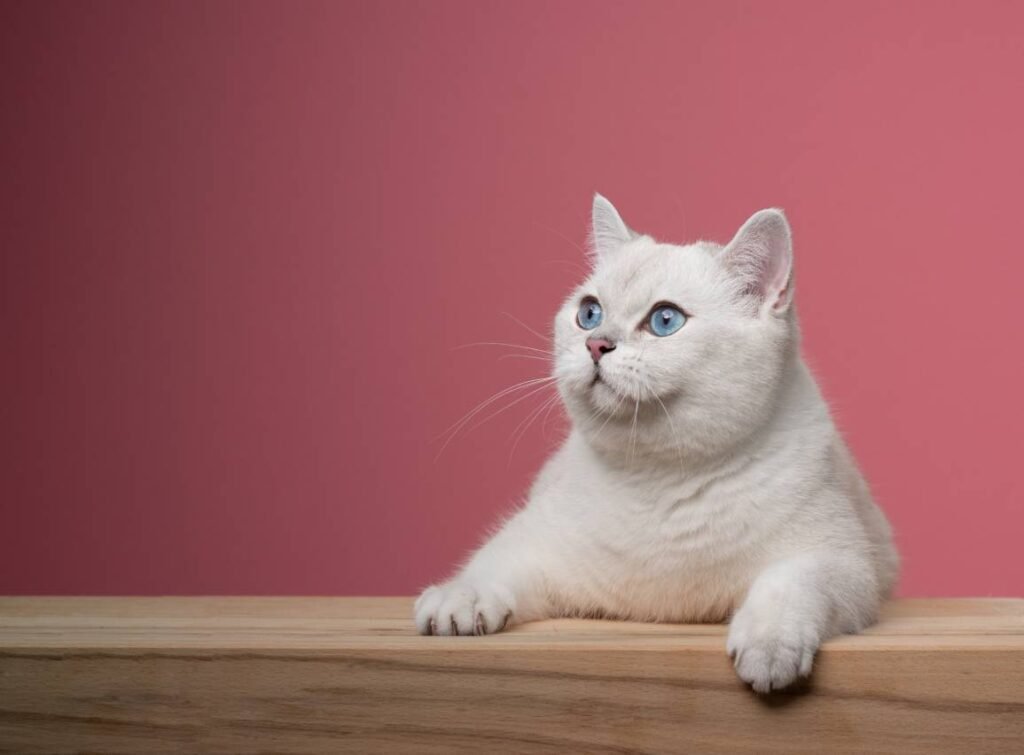
Frequently Asked Questions About British Shorthair Kitten Behavior
Q: Are British Shorthair kittens cuddly?
A: Kittens tend to prioritize play and exploration, but they typically grow into very affectionate adults. Lap time usually increases steadily with age and maturity.
Q: Do British Shorthair kittens like to be held?
A: Tolerance varies by individual. Most accept brief handling when properly socialized early, although they generally prefer ground-level interaction over prolonged carrying.
Q: How long do British Shorthair kitten zoomies last?
A: Short bursts of intense activity are normal and often continue until 2–3 years of age, gradually decreasing as the cat reaches full maturity.
Q: Are British Shorthair kittens good with children?
A: Yes. Their patient, sturdy temperament makes them excellent family cats when children are taught gentle handling and respectful boundaries.
Q: When should I worry about biting?
A: Occasional play nipping is normal in kittens. However, persistent hard biting, hissing, or fear-based aggression warrants professional evaluation by a veterinarian or feline behaviorist.
Final Thoughts: Embracing the Journey From Kitten to Classic Companion
British Shorthair kitten behavior represents a delightful yet temporary stage filled with curiosity, playfulness, and rapidly growing affection. While challenges such as biting, scratching, or bursts of hyperactivity may arise, consistent guidance, patience, and early training allow most issues to resolve naturally.
Ultimately, owners who invest time in proper socialization, structured routines, and preventive care are rewarded with one of the calmest, loyal, and low-maintenance adult cats available. The journey from a bouncy, round-faced kitten to a dignified, plush British Shorthair companion is deeply fulfilling—and well worth every moment.
