

Learning how to train a British Shorthair kitten is both enjoyable and rewarding, as this breed combines intelligence, a calm temperament, and playful curiosity. These kittens delight owners with their round faces, plush coats, and teddy-bear builds, and they quickly adapt to gentle, positive reinforcement techniques. While playful and energetic during the early months, British Shorthairs grow into composed, confident cats who enjoy observing the world quietly.
This guide walks you through every stage of British Shorthair kitten training—from first days at home to advanced skills—while addressing their unique traits, including slow maturity and a tendency toward weight gain. You’ll learn breed-specific strategies for socialization, daily play, grooming, and harness training, which will help your kitten develop confidence, obedience, and a strong bond with you.
Whether you’re a first-time owner navigating energetic kitten phases or looking for proven training methods, this article equips you with practical, step-by-step advice to raise a happy, well-behaved British Shorthair.
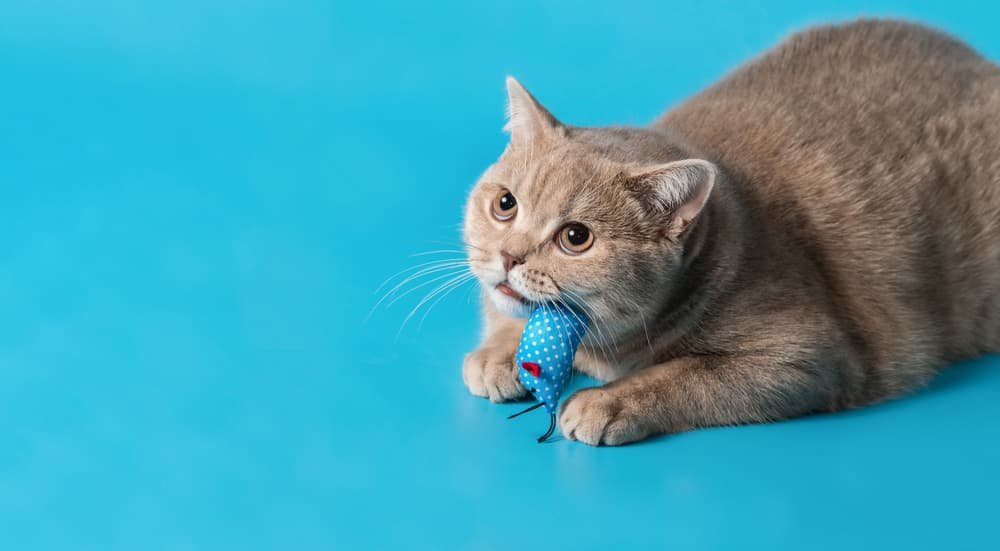
Bringing Your British Shorthair Kitten Home: The First 24-48 Hours and Week
Bringing a British Shorthair kitten home sets the foundation for trust and a strong bond. Most kittens leave reputable breeders between 10 and 12 weeks old. Although they may have experienced some early socialization, they still need a careful introduction to their new surroundings. Therefore, following a structured plan helps your kitten adjust comfortably.
On arrival, confine your kitten to one quiet room equipped with a cozy bed, litter box, food and water, gentle toys, and a few hiding spots. Then, sit calmly nearby and let the kitten explore independently; many hide at first but gradually venture out. During days 2 and 3, provide short, rewarding interactions by speaking softly, petting gently, and playing with quiet toys. Additionally, maintain a consistent feeding schedule and avoid loud noises or forced handling to minimize stress.
By the end of the first week, most British Shorthairs settle in. Once they eat normally, use the litter box confidently, and seek your attention, gradually grant supervised access to other rooms. Moreover, keep toilet lids closed, offer a blanket carrying the breeder’s scent, and watch for signs of distress such as prolonged hiding or refusal to eat. Overall, patience during this period builds confidence and prevents unnecessary shyness in this naturally reserved breed.
Understanding British Shorthair Kitten Personality and Behavior
Breeders developed British Shorthairs from sturdy British farm cats, selecting for resilience and tranquility. As a result, these kittens mature slowly: they remain playful until 1–3 years old, and they reach full maturity around 3–5 years.
Owners benefit greatly from recognizing key traits:
British Shorthairs learn quickly and observe everything around them. For instance, many respond to their names or simple commands almost immediately. Furthermore, their strong food motivation makes reward-based training highly effective. They also show affection deeply, yet they prefer independence and dislike overstimulation. In addition, they display moderate energy levels—short bursts of activity followed by long, restorative naps. Finally, they react sensitively to stress, so harsh methods often backfire and cause withdrawal.
Common behavior challenges usually stem from boredom or unmet needs. For example, kittens may counter-surf because of their strong food drive, scratch furniture to mark territory, or nip during play or teething.
Preparing Your Home for British Shorthair Kitten Training and Care
- Kitten-proof your home by securing electrical cords, removing toxic plants, and blocking dangerously tight spaces to prevent accidents and unwanted behaviors.
- Install sturdy cat trees and scratching posts to encourage proper scratching and climbing habits, as British Shorthair kittens prefer stable, elevated perches for observation.
- Place multiple cozy resting areas in quiet corners, since kittens nap 16–20 hours daily and learn training cues best when well rested.
- Position litter boxes in accessible, low-traffic locations to reinforce consistent litter training from the start.
- Provide interactive puzzle toys to stimulate mental development and channel energy into positive play behaviors.
- Create safe hiding spaces to build confidence, reduce stress, and support faster adaptation during early training stages.
Feeding Schedule and Nutrition for Optimal British Shorthair Training
Proper nutrition supports successful training in British Shorthair kittens. This breed gains weight easily, so portion control and balanced meals matter from the start. When feeding stays consistent, kittens develop better focus, steadier energy, and healthier habits.
Choose high-protein, kitten-specific formulas to support muscle growth and steady development. Wet food works well for British Shorthair kittens because it improves hydration and increases meal satisfaction. A mix of wet and dry food often provides the best balance.
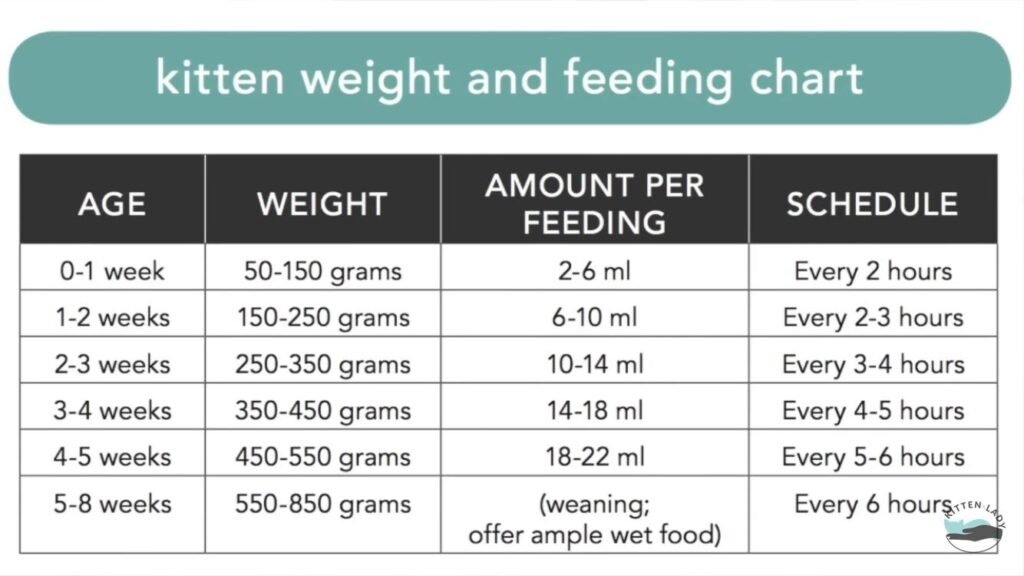
Below is a practical feeding schedule. Always confirm exact calorie needs with your veterinarian, as growth rates vary between kittens.
British Shorthair Kitten Feeding Chart
| Age | Meals per Day | Daily Calories (Approx.) | Key Feeding Tips |
|---|---|---|---|
| 8–12 weeks | 4–5 | 200–250 | Serve small, frequent meals to support early growth |
| 3–6 months | 3–4 | 250–350 | Use puzzle feeders to build focus and problem-solving |
| 6–12 months | 2–3 | 300–400 | Monitor weight weekly and adjust portions carefully |
Feeding Tips for Training Success
Avoid free-feeding. Scheduled meals help maintain food motivation during training sessions and make reward-based learning more effective. Consistent timing also builds routine, which this breed responds to well.
For treats, select high-value, low-calorie options. Small pieces of plain boiled chicken or freeze-dried meat provide strong motivation without unnecessary weight gain.
Why Nutrition Matters for British Shorthair Kittens
A well-managed diet supports:
- Steady energy throughout the day
- Better attention during training
- Healthy weight control
- Lower risk of obesity-related behavior issues
A structured feeding schedule paired with balanced nutrition sets the foundation for a calm, focused, and healthy British Shorthair kitten.
Litter Box Training Your British Shorthair Kitten
British Shorthair kittens naturally prefer clean spaces, which makes litter box training straightforward for most owners. With the right setup and routine, kittens learn quickly and develop reliable habits.
Follow these practical steps for the best results:
- Choose the right litter box
Select a large, low-entry litter box that measures at least 22 × 16 inches. This size allows your kitten to enter easily and turn comfortably. - Set the correct litter depth
Add 2–3 inches of unscented clumping litter. Strong fragrances often discourage consistent use in young kittens. - Apply the “n + 1” rule
Provide one more litter box than the number of cats in your home. This approach reduces stress and prevents litter box avoidance. - Reinforce proper behavior
Place your kitten in the litter box after meals, playtime, or naps. Then, praise any digging or successful use to strengthen positive behavior. - Address accidents correctly
Clean affected areas with an enzymatic cleaner to remove scent markers. If accidents continue, check box cleanliness, placement, stress changes, or health concerns.
Occasionally, kittens show brief regression during growth stages. In these cases, add another litter box and increase cleaning frequency to restore consistency.
Preventing and Redirecting Scratching Behavior
Cats scratch naturally to keep their claws healthy, stretch their bodies, and mark territory through scent glands in their paws. Because this behavior serves essential physical and emotional needs, owners should redirect it early rather than attempt to eliminate it, especially during kittenhood when habits form quickly.
First, provide several durable scratching options to match your cat’s preferences. Use tall, stable sisal posts for vertical stretching and flat cardboard or sisal mats for horizontal use. Place these surfaces near sleeping areas, entry points, and targeted furniture, since cats often scratch after resting. This strategic placement increases usage and reduces damage to household items.
Additionally, encourage proper use by applying catnip or engaging toys on scratching surfaces and rewarding your cat with praise or treats. Meanwhile, protect furniture with double-sided tape or covers to discourage unwanted scratching. Finally, trim nails weekly and handle paws regularly to build comfort and trust. With consistency and positive reinforcement, cats learn appropriate scratching habits that support long-term success.
Introducing Your British Shorthair Kitten to Children and Other Pets
This breed tolerates others well, but you must introduce everyone gradually.
When children live in the home, teach them gentle petting techniques and supervise all interactions. Never allow chasing or rough play. Instead, let the kitten initiate contact.
For existing pets, start with scent swapping—exchange blankets between animals. Then, keep them in separate rooms for a few days. After that, allow supervised visual contact through a baby gate. Finally, conduct short, positive face-to-face meetings with treats and praise for calm behavior.
Most British Shorthairs adapt beautifully when owners take these careful steps.
Socialization and Handling for a Confident British Shorthair
Critical socialization window:
- Socialization develops most effectively between 2–12 weeks of age
- Early, guided exposure builds confidence and emotional resilience
Daily handling for long-term comfort:
- Gently handle paws, ears, mouth, and belly each day
- Prepare kittens for grooming routines and veterinary examinations
- Strengthen trust through calm, consistent interaction
Gradual exposure to everyday experiences:
- Introduce common household sounds such as vacuums, televisions, and doorbells
- Allow controlled interaction with visitors in a calm environment
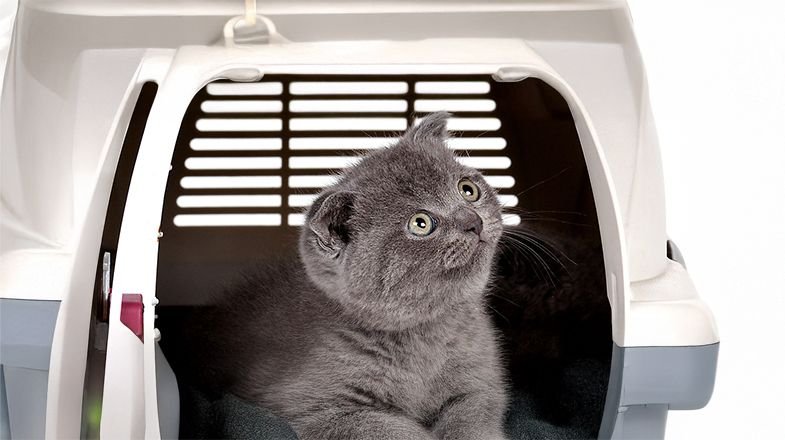
- Practice short car rides using a secure carrier to reduce travel stress
Positive reinforcement strategies:
- Pair new experiences with treats, praise, or interactive play
- Create positive associations that reduce fear and improve adaptability
Balanced session management:
- End each session positively to reinforce confident behavior
- Keep socialization sessions brief, structured, and enjoyable
- Avoid overstimulation, as it can cause stress or withdrawal
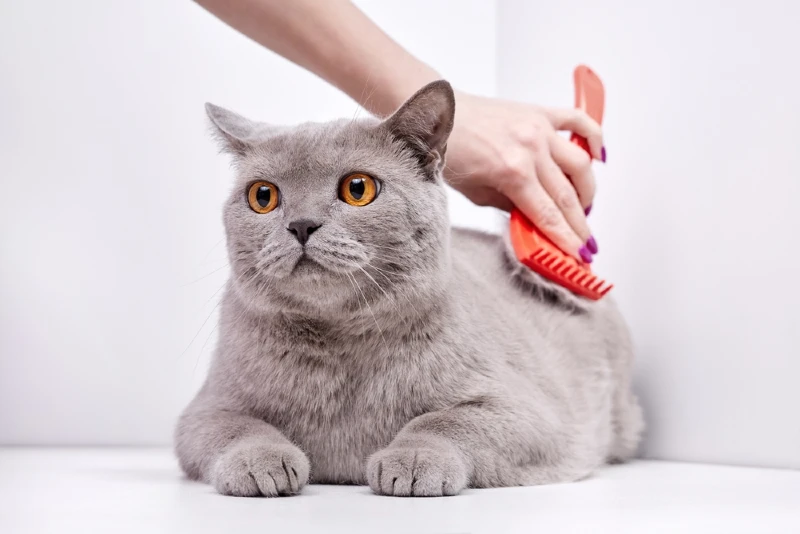
Grooming Routine for British Shorthair Kittens
Coat structure and care needs:
- BSH kittens have a dense double coat that requires regular grooming
- Therefore, start grooming early to build trust and establish a calm bonding routine
Brushing schedule and tools:
- Brush the coat once weekly using a slicker brush to remove loose fur
- Additionally, increase brushing during spring and autumn shedding periods to manage excess hair
Nail and ear maintenance:
- Trim nails every two weeks to prevent overgrowth and furniture damage
- Meanwhile, check and clean ears weekly to reduce wax buildup and infection risk
Oral health introduction:
- Introduce dental treats or gentle tooth brushing from kittenhood
- As a result, support long-term oral hygiene and reduce plaque accumulation
Bathing best practices:
- Bathe only when the coat becomes visibly dirty
- Finally, limit bathing to preserve natural skin oils and maintain coat health
Best Toys, Play, and Recommended Products for British Shorthair Kittens
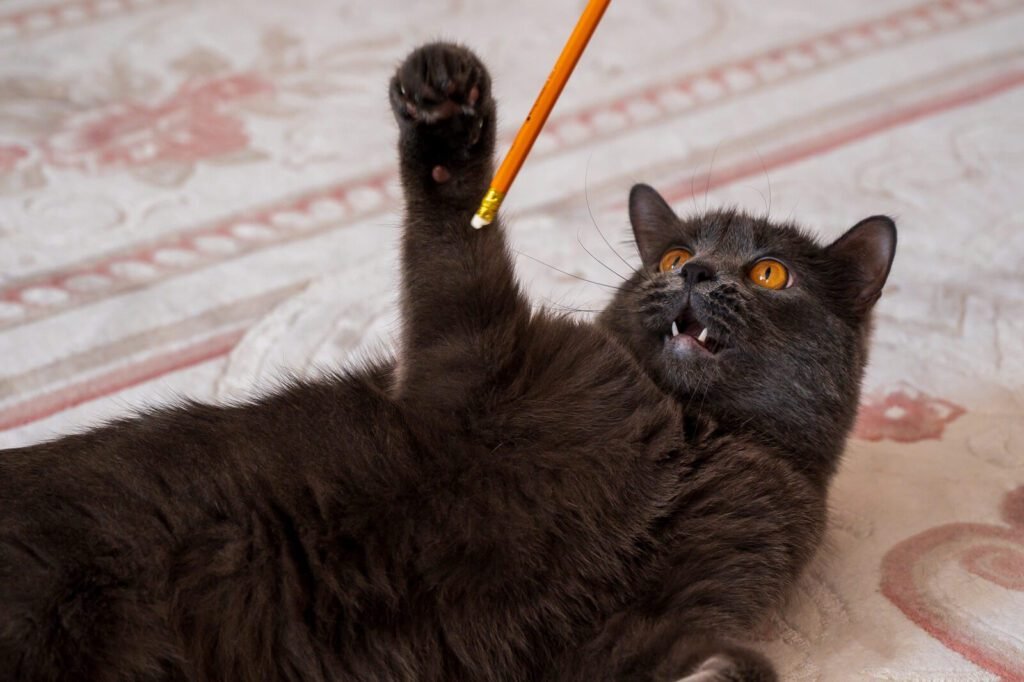
Play supports natural hunting instincts while preventing boredom and unhealthy weight gain. Therefore, daily interactive play plays a critical role in a British Shorthair kitten’s physical and mental development.
Choose toys that encourage movement and problem-solving. Top options include interactive wand teasers such as Da Bird–style toys, laser pointers (always finish sessions with a tangible “catch”), puzzle feeders, crinkle balls, and stuffed kickers. Additionally, rotate toys weekly to maintain novelty and prevent disinterest.
Aim for 20–40 minutes of active play per day, divided into two structured sessions. This routine promotes muscle tone, supports a healthy metabolism, and keeps your kitten calm and content.
Recommended Essentials for British Shorthair Kittens:
- Large open or stainless-steel litter boxes
- Unscented clumping litter or pine pellet litter
- Sturdy sisal scratching posts or boards
- H-style or padded vest harnesses designed for broad chests
- Spacious, well-ventilated pet carriers
Teaching Basic Commands and Tricks with Clicker Training
British Shorthairs often master tricks faster than many other breeds.
Begin by “charging” the clicker: click and immediately offer a treat multiple times. Once the kitten associates the sound with a reward, shape behavior. For “sit,” hold a treat above the nose and move it back until the bottom lowers—click and reward instantly. Similarly, teach “come” by calling during mealtimes, and encourage natural fetch by tossing lightweight toys.
Many owners report that their kittens learn “sit,” “come,” or fetch within days to weeks when sessions stay short (5–10 minutes) and rewards remain high-value.
Harness on How to Train a British Shorthair Kitten
Breed suitability for harness training:
- British Shorthair kittens have a solid, muscular build that supports safe outdoor exploration.
- Therefore, harness training provides enrichment while keeping kittens secure and confident.
Step 1: Introduce the harness indoors:
- Let your kitten wear the harness indoors for a few minutes each day.
- Simultaneously, reward calm behavior with treats or gentle praise to create a positive association.
Step 2: Familiarize with the leash:
- Attach a lightweight leash and allow the kitten to drag it freely.
- This step gradually helps the kitten adjust to gentle resistance without stress.
Step 3: Guided indoor walks:
- Then, lead short walks inside at a slow, controlled pace.
- Maintaining a calm environment ensures trust and builds confidence.
Step 4: Outdoor exposure:
- Move to quiet, secure outdoor areas for brief sessions.
- Gradually increase duration as your kitten becomes more confident and comfortable.
Training tips for success:
- Above all, practice patience and consistency.
- It will help your kitten develop confidence, enjoy safe outdoor adventures, and form a strong bond with you.
Sample Daily Schedule for a British Shorthair Kitten
| Time of Day | Activity | Purpose / Notes |
|---|---|---|
| Morning | Feed, short play, quick training session | Provides energy, stimulates learning, and encourages early socialization. Additionally, short training sessions build confidence and reinforce good behavior. |
| Midday | Puzzle feeder, long naps | Offers mental enrichment while allowing rest for growth and development. This balance prevents boredom and supports healthy weight management. |
| Afternoon | Interactive play, gentle grooming | Promotes exercise, strengthens your bond, and maintains coat health. Gradual grooming helps the kitten accept handling for future vet visits. |
| Evening | Second meal, vigorous wand play | Expends energy, encourages healthy weight, and prevents evening hyperactivity. Rotate toys to maintain interest and mental stimulation. |
| Night | Calm wind-down | Aligns sleep cycles with household routine and supports restful sleep. Quiet petting or gentle play helps the kitten relax before bedtime. |
Tips for Optimal Results:
- Use treats, praise, or toys as rewards to strengthen learning and encourage exploration.
- Adjust the schedule as your kitten grows and their energy levels change.
- Keep play and training sessions short but consistent to reinforce positive habits.
When Do British Shorthair Kittens Calm Down?
- British Shorthair kittens remain playful and energetic until 1–3 years of age, reflecting their natural curiosity and hunting instincts.
- Around 3–5 years, most cats exhibit the breed’s trademark calm and composed personality, though individual temperament may vary.
- In the meantime, channel energy through structured daily play, interactive toys, and short training sessions to encourage healthy exercise and mental stimulation.
- Establishing a consistent routine with feeding, play, and quiet periods helps your kitten learn boundaries and develop confidence.
- Additionally, providing vertical spaces, scratching posts, and puzzle feeders reduces boredom and prevents undesirable behaviors while they mature.
Addressing Common Behavior Challenges and Mistakes to Avoid
Redirect unwanted behaviors positively:
- For play biting or nipping, redirect to toys and briefly withdraw attention.
- If excessive meowing occurs, ignore attention-seeking and enrich the environment instead.
- To stop counter surfing, secure food, and teach a firm “off” command.
- Prevent night zoomies by scheduling energetic evening play.
Common owner mistakes include overfeeding, using punishment, skipping socialization, or providing inadequate play opportunities.
Health Considerations Impacting Training
British Shorthair kittens should come from reputable breeders who screen for hypertrophic cardiomyopathy (HCM) and polycystic kidney disease (PKD). These genetic conditions can influence long-term health and impact a kitten’s energy levels, agility, and ability to engage in training activities. Therefore, early awareness and careful selection help ensure a healthy, trainable kitten.
Obesity represents the most common health concern and can significantly affect mobility, stamina, and behavior. To prevent weight-related issues, schedule regular veterinary checkups, monitor body condition, and provide daily interactive play. Additionally, feeding portion-controlled meals and offering puzzle feeders or toys that encourage activity support both physical health and mental stimulation.
Following proper vaccination protocols protects your kitten from infectious diseases, while spaying or neutering around six months can regulate hormones and stabilize behavior, making training more effective. Furthermore, creating a safe environment with climbing areas, scratching posts, and enrichment activities ensures your British Shorthair remains active, engaged, and confident as they grow.
Top 10 Common Mistakes New British Shorthair Kitten Owners Make
- Free-feeding kittens can unintentionally promote obesity.
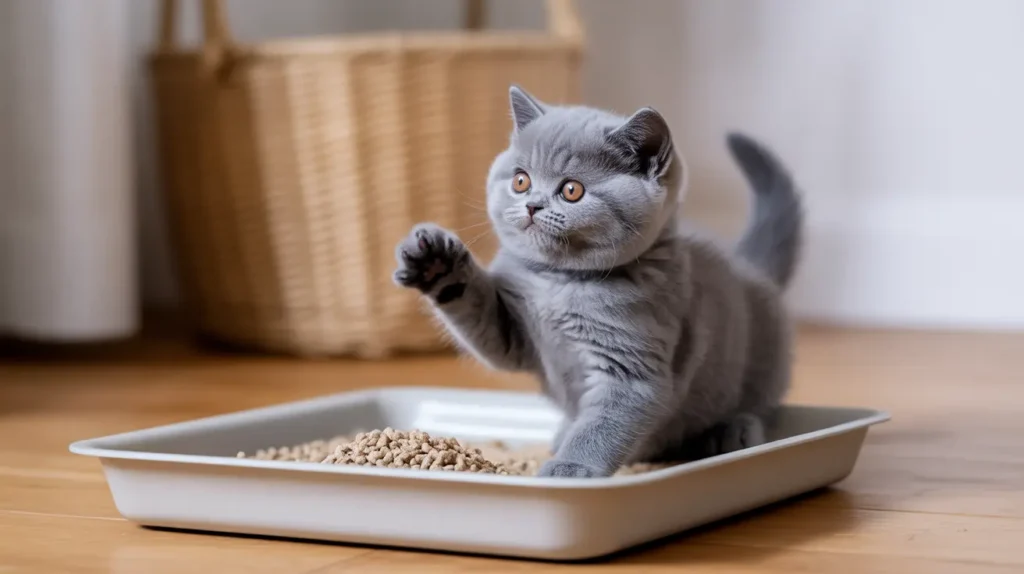
- Choosing litter boxes that are too small causes kittens to avoid them.
- Skipping early grooming and handling practice affects long-term trust.
- Overwhelming the kitten with too much attention or stimulation upon arrival.
- Using harsh corrections that damage the kitten’s confidence and bond.
- Underestimating the amount of daily interactive play needed for energy release.
- Delaying socialization during the critical 2–12 week window.
- Ignoring gradual weight gain and failing to monitor body condition.
- Feeding low-quality diets that lack essential nutrients for growth.
- Rushing, harness, or outdoor training, leading to stress or fear.
FAQ: Common Questions About How to Train a British Shorthair Kitten
Are British Shorthairs easy to train?
Yes, British Shorthairs respond eagerly to positive reinforcement methods, including treats, praise, and interactive play, making training enjoyable and effective.
How long does litter training usually take?
Most kittens master litter training within a few days to a few weeks, especially when introduced immediately upon arrival and provided with a clean, accessible litter box.
When & How to Train a British Shorthair Kitten?
Begin training as soon as your kitten arrives, typically between 8–12 weeks, to establish good habits and social confidence early.
Do British Shorthairs get along with children and other pets?
Absolutely. With gradual, supervised introductions, they usually form positive relationships with children, dogs, and other household pets.
When do British Shorthairs calm down?
British Shorthairs remain energetic during kittenhood but typically display full serenity around 3–5 years, though individual personalities may vary.
Are British Shorthairs prone to obesity?
Yes, they can gain weight if overfed or under-exercised. Portion-controlled meals, daily play, and enrichment help maintain a healthy weight.
What common health problems should I watch for?
Hypertrophic cardiomyopathy (HCM) and obesity are the most frequent concerns. Regular veterinary checkups, HCM screening, and proper diet management help prevent complications.
