

British Shorthair kitten exercise plays a vital role in shaping a healthy, balanced, and confident adult cat. These breed charm owners with round faces, plush double coats, and calm, intelligent expressions, yet they show surprising bursts of playful energy during early development. Therefore, structured activity helps channel this energy productively.
As kittens mature, British Shorthairs gradually become one of the most relaxed and observant breeds. However, this slow maturation and naturally stocky build increase the risk of weight gain without proper exercise. Consistent play supports muscle development, maintains a healthy metabolism, sharpens cognitive skills, and prevents boredom-related behaviors.
According to recognized breed standards and veterinary guidance, British Shorthairs thrive with controlled, regular activity rather than constant stimulation. Consequently, this guide explains how much exercise your kitten needs, the best toys, effective play routines, and proven strategies to promote long-term fitness while respecting the breed’s calm nature.
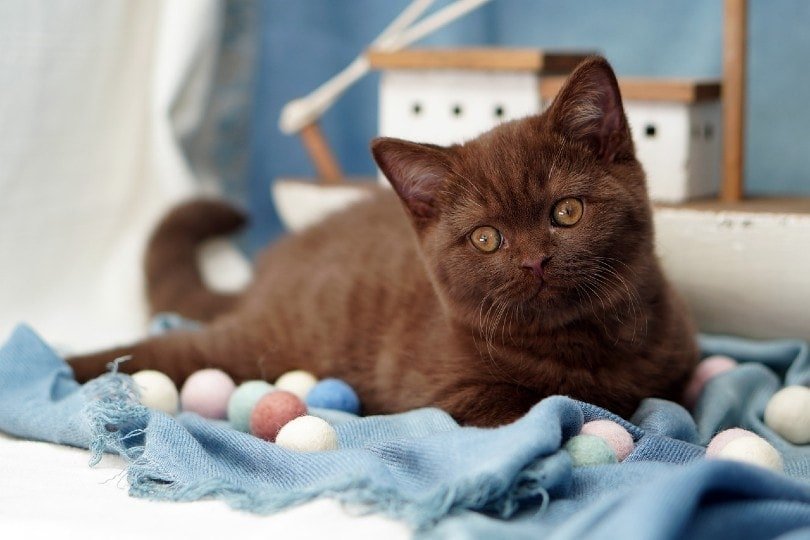
How to Exercise Your British Shorthair Kitten Safely: Tips and Benefits
British Shorthairs differ from high-energy breeds like Bengals or Abyssinians. They perform short, intense bursts of activity rather than long play sessions. Kittens under 12 months show the most vigor, and many retain playful behaviors until 3–5 years. However, adults quickly become famously relaxed, happily lounging and observing the world instead of constantly chasing.
Veterinary guidelines from the American Veterinary Medical Association (AVMA) and breed-specific studies show that inadequate exercise can cause serious issues:
- Rapid weight gain and obesity are due to their robust build and lower activity levels, which may shorten lifespan.
- Weakening of developing bones and muscles, increasing risks of arthritis or hypertrophic cardiomyopathy (HCM).
- Behavioral problems such as destructive scratching, overeating, or excessive vocalization.
- Cognitive dulling, lethargy, or depression-like symptoms from insufficient mental stimulation.
Regular British Shorthair kitten exercise delivers important benefits:
- Builds lean muscle mass aligned with breed standards.
- Enhances coordination and preserves natural hunting instincts.
- Strengthens the bond between kitten and caregiver through interactive play.
- Supports cardiovascular health and boosts immune function.
Experts recommend 20–40 minutes of daily play, divided into 2–4 short sessions of 5–15 minutes. This schedule matches their natural “burst and rest” rhythm, preventing overstimulation while ensuring adequate activity.
Exercise Guidelines for British Shorthair Kittens by Age
Exercise requirements change as kittens grow, mature, and develop individual personalities. British Shorthairs mature slowly—they reach full physical size between 3–5 years. Males generally grow larger (up to 18 lbs/8 kg) than females (up to 12 lbs/5.5 kg).
Newborn to 8 Weeks: Laying the Foundation
During this early phase, kittens focus primarily on nursing, warmth, and basic motor skills. Therefore, they self-regulate exercise through gentle sibling play and short crawls. Owners simply need to create a safe, enriched environment with soft bedding and avoid any forced activity.
8–16 Weeks: Encouraging Exploration
Kittens now become highly active and eagerly practice pouncing and climbing. Consequently, owners should aim for 3–5 short daily sessions of 5–10 minutes each. Focus on gentle socialization and low-impact play; this approach builds confidence without stressing developing joints.
4–12 Months: Capturing Peak Playfulness
This stage demands the most attention for keeping a British Shorthair kitten active. Energy levels surge to support rapid growth (500–750 grams per month). Accordingly, target 30–45 minutes total daily, split into 10–15 minute sessions two or three times a day. Incorporate climbing and chasing activities that mimic natural hunting.
1–3 Years: Managing the Transition to Maturity
Playfulness gradually decreases, yet owners must maintain 20–30 minutes of daily activity to prevent weight gain. At this point, shift emphasis toward mental enrichment as physical bursts naturally shorten.
Sample Daily Exercise Routine for a 6-Month-Old Kitten
- Morning (10 minutes): Engage in feather wand chasing.
- Afternoon (10 minutes): Encourage puzzle feeder foraging.
- Evening (15 minutes): Use a laser pointer (always end with a tangible “catch”), then play fetch.
- Throughout the day: Provide constant access to cat trees and tunnels for free play.
Always watch for signs of fatigue. British Shorthair kittens tire quickly and require plenty of recovery time.
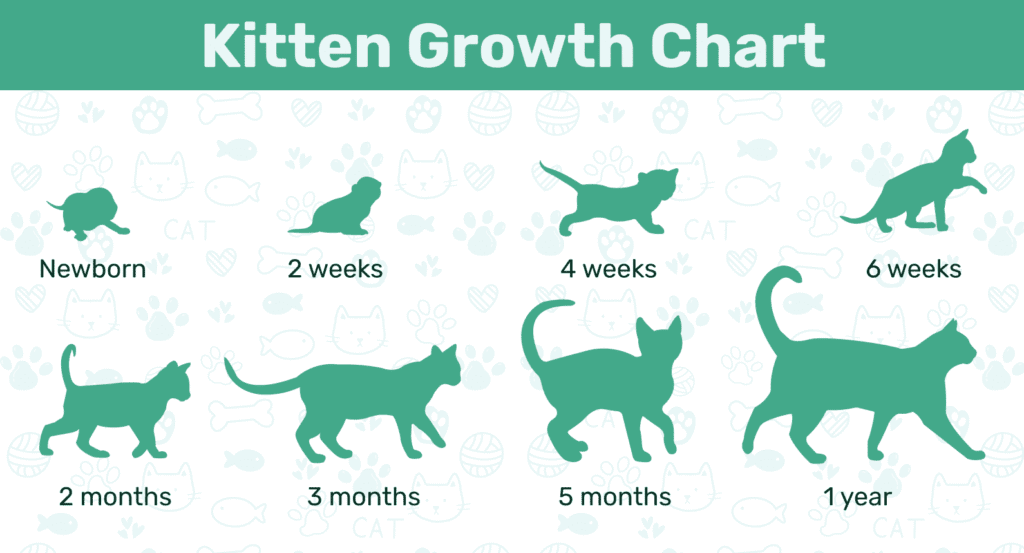
Kitten Growth Chart and Development Guide
Regular monitoring of weight alongside exercise helps ensure balanced growth. The following chart summarizes typical ranges based on veterinary data and experienced breeder observations (note that individual variation occurs—consult your vet for any concerns):
| Age | Male Weight (kg/lbs) | Female Weight (kg/lbs) | Key Milestones |
|---|---|---|---|
| Birth | 0.08–0.15 / 0.18–0.33 | 0.07–0.14 / 0.15–0.31 | Eyes closed; fully dependent on mother |
| 4 Weeks | 0.4–0.6 / 0.9–1.3 | 0.35–0.55 / 0.8–1.2 | Walking begins; basic play starts |
| 8 Weeks | 0.8–1.2 / 1.8–2.6 | 0.7–1.1 / 1.5–2.4 | Weaning complete; curiosity peaks |
| 12 Weeks | 1.2–1.8 / 2.6–4.0 | 1.0–1.6 / 2.2–3.5 | Vaccination schedule begins |
| 6 Months | 2.5–3.5 / 5.5–7.7 | 2.0–3.0 / 4.4–6.6 | Rapid growth phase; highest energy |
| 12 Months | 3.5–5.0 / 7.7–11 | 3.0–4.5 / 6.6–9.9 | Near adult height; muscle development |
| 3 Years (Adult) | 5.0–8.0 / 11–18 | 4.0–5.5 / 9–12 | Full maturity; maintain lean condition |
Caretakers should perform monthly weigh-ins for kittens and regularly use body condition scoring (you should feel ribs easily but not see them prominently). Early detection prevents problems.
Best Toys for British Shorthair Kittens: Expert Picks
British Shorthairs thrive with toys that match their strategic hunting style—observing, stalking, and pouncing—rather than constant, frantic chasing. Therefore, caregivers should rotate toys weekly to maintain interest and engagement.
Top Interactive Toys
- Feather wands and Da Bird-style toys: Mimic bird flight; encourage leaps and powerful pounces while strengthening bonds.
- Laser pointers: Spark intense chases; always finish with a tangible toy “catch” to prevent frustration.
- Toy mice and soft balls: Ideal for batting and carrying; many British Shorthairs quickly learn to enjoy fetch.
Puzzle and Foraging Toys
- Food puzzles and treat-dispensing balls: Turn mealtime into mental exercise, slow eating, and reduce boredom.
- Battery-powered toys: Moving mice or fluttering butterflies offer independent entertainment and stimulate problem-solving.
Environmental Enrichment Toys
- Cat trees and tunnels with wide platforms: Support safe climbing for stocky builds and encourage exploration.
- Track balls and spring toys: Deliver low-effort, high-engagement solo play.
Simple DIY Options
Crinkly paper bags, cardboard boxes with holes, and catnip-dipped strings provide inexpensive enrichment for kittens.
Safety tip: Always avoid small parts that kittens could swallow, and supervise any string play.
Creative British Shorthair Kitten Play Ideas That Keep Them Engaged
Keeping a British Shorthair kitten mentally and physically stimulated is essential for healthy growth, confidence, and long-term well-being. While commercial toys are helpful, caregivers can enhance engagement with a variety of interactive and creative activities. The following play ideas provide both exercise and mental enrichment, ensuring your kitten develops strength, coordination, and curiosity while having fun:
- Hunting simulations: Hide treats in boxes or under blankets to encourage natural foraging instincts and mental engagement.
- Fetch games: Use soft balls and reward successful retrieves with treats or praise to build coordination and confidence.
- Vertical challenges: Introduce low shelves or perches gradually for climbing practice and muscle development.
- Scent games: Drag toys lightly dipped in tuna juice to stimulate curiosity and sensory skills.
- Multi-cat play dates: Sibling or friend interactions provide natural exercise and social development.
- Clicker training: Teach simple tricks like “sit” or “high-five” for mental stimulation and bonding.
- Window perches: Place near bird feeders for safe, passive observation and enrichment.
- Cat-safe bubbles: Encourage gentle pouncing for light physical exercise and fun.
- Gentle hand wrestling: Build trust, coordination, and interactive play skills.
- Automated or app-controlled toys: Maintain engagement when caregivers are busy.
Tip: Vary activities daily and schedule sessions around dawn and dusk to match natural activity patterns.
Preventing Obesity in British Shorthair Kittens: Exercise and Diet Tips
Obesity affects over 50% of domestic cats, and British Shorthairs face a higher risk due to genetics and indoor lifestyles. Therefore, successful prevention requires a combination of regular exercise and smart nutrition:
- Choose high-protein, portion-controlled diets: High protein supports lean muscle, helps kittens feel full longer, and prevents excessive fat accumulation. Prioritize wet food to maintain hydration and support kidney health.
- Eliminate free-feeding: Instead, use puzzle feeders or scheduled meals to encourage physical and mental activity during feeding.
- Adjust calories after neutering: Reduce intake by 15–20%, as metabolism slows and kittens become prone to weight gain.
- Monitor weight and body condition regularly: Track monthly weights and assess body condition. Look for early signs of obesity, including loss of a visible waist, buried ribs, or increased lethargy.
Early intervention can reverse weight gain and support long-term health, activity, and quality of life. Consequently, consistent diet and exercise habits help British Shorthair kittens grow into fit, happy adults.

Common British Shorthair Kitten Exercise Mistakes to Avoid
Many well-meaning owners unintentionally slow progress. The following mistakes commonly affect British Shorthair kitten exercise and overall development:
- Overusing laser pointers without offering a final “catch” frustrates kittens and increases anxiety.
- Free-feeding promotes constant grazing and accelerates unhealthy weight gain.
- Focusing only on physical play overlooks the mental stimulation these intelligent cats require.
- Forcing long play sessions causes kittens to disengage and avoid activity.
- Skipping early socialization results in shy or fearful adult cats.
- Accepting a “chubby” appearance confuses natural stockiness with true obesity.
- Neglecting routine veterinary visits delays detection of underlying health issues.
- Providing limited indoor enrichment encourages boredom-related destructive behaviors.
By identifying and correcting these mistakes early, owners support healthier exercise habits, stronger confidence, and long-term well-being.
Transitioning Exercise Needs from Kitten to Adult
As British Shorthairs mature between 1 and 3 years, caregivers should gradually reduce exercise intensity while maintaining a consistent daily routine. During this transition, kittens shift from high-energy bursts to calmer, more deliberate activity patterns, which reflects the breed’s naturally relaxed temperament.
Therefore, adult British Shorthairs benefit most from 15–30 minutes of structured daily activity, divided into short, engaging sessions. Instead of high-impact chasing alone, interactive wand toys, low-impact play, and controlled movement help preserve muscle tone without overexertion.
Moreover, mental stimulation becomes increasingly important with age. Puzzle feeders, treat-dispensing toys, and foraging games counter sedentary tendencies and support cognitive health. Veterinary guidance consistently emphasizes this balance, as it helps prevent obesity, maintains joint health, and promotes long-term well-being in this slow-maturing breed.
Clear Signs Your British Shorthair Kitten Needs More or Less Exercise
Owners can accurately evaluate exercise balance by observing daily behavior, body condition, and energy patterns.
- Signs that more exercise is needed:
Excessive sleeping beyond normal kitten rest, gradual or noticeable weight gain, destructive behaviors such as scratching or chewing, and frequent food begging all signal insufficient physical and mental stimulation. - Signs of ideal balance:
Bright, alert eyes, a healthy lean body condition, steady energy levels, and an affectionate yet independent personality indicate that the current exercise routine supports proper growth and well-being. - Signs of too much exercise (rare):
Overstimulation may trigger short-term aggression, avoidance, or hiding, especially after long or overly intense play sessions.
Therefore, Caregivers should adjust play duration, intensity, and variety promptly to maintain healthy development and emotional stability.
Frequently Asked Questions About British Shorthair Kitten Exercise
1. How much exercise does a British Shorthair kitten need daily?
Kittens need 20–45 minutes of daily exercise, split into multiple short sessions. Younger kittens benefit from shorter bursts, while older kittens enjoy interactive play, climbing, and puzzle activities.
2. What are the best toys for British Shorthair kittens?
Top toys include feather wands, puzzle feeders, toy mice, laser pointers (always finish with a tangible “catch”), and sturdy cat trees to encourage both mental and physical activity.
3. How can caregivers keep an indoor British Shorthair kitten active?
Combine interactive play sessions, treat-based foraging games, climbing spaces, and regular rotation of toys to maintain interest and energy.
4. Are British Shorthair kittens prone to obesity?
Yes—they carry a genetic predisposition. Prevent obesity by offering controlled portions, balanced nutrition, and regular daily exercise.
5. When do British Shorthair kittens calm down?
Kittens stay highly playful until 1–3 years of age. Afterward, they naturally settle into a calmer adult personality while retaining short bursts of activity.
6. Can caregivers train British Shorthair kittens to fetch?
Absolutely. Using positive reinforcement and soft, lightweight toys, many kittens quickly learn to fetch, which provides both exercise and mental stimulation.
Final Thoughts: How to Keep Your British Shorthair Kitten Healthy and Active
Caregivers who prioritize British Shorthair kitten exercise, therefore, set the foundation for a healthy, happy, and long-lived cat, often enjoying 15–20 years together. By understanding the breed’s unique needs, incorporating varied play, monitoring growth closely, and avoiding common mistakes, you ultimately nurture a confident, fit, and deeply bonded feline friend. Additionally, partnering with your veterinarian ensures personalized guidance on diet, vaccinations, and genetic screenings for conditions such as HCM or polycystic kidney disease (PKD).
With patience, consistency, and enthusiasm, your British Shorthair kitten will grow into the dignified, affectionate adult the breed is renowned for, thus providing years of joy and devoted companionship. Ready to welcome a British Shorthair kitten into your home? Explore our available kittens and start your journey today!
