

British Shorthair cat for sale interest continues to rise as families increasingly recognize the breed’s teddy-bear appearance, calm nature, and strong reputation for health and adaptability. Moreover, buyers often choose this breed for its easygoing temperament and ability to adjust well to different living environments. Whether you seek classic British Blue kittens, rare golden chinchilla varieties, or an adult cat ready for immediate companionship, this guide explains the essential factors to consider before bringing a British Shorthair home.
Additionally, this article draws on more than fifteen years of direct experience with the breed, including close collaboration with owners, ethical breeders, and veterinarians. This background allows the guide to deliver accurate, practical, and evidence-based information that helps readers make confident and well-informed decisions.
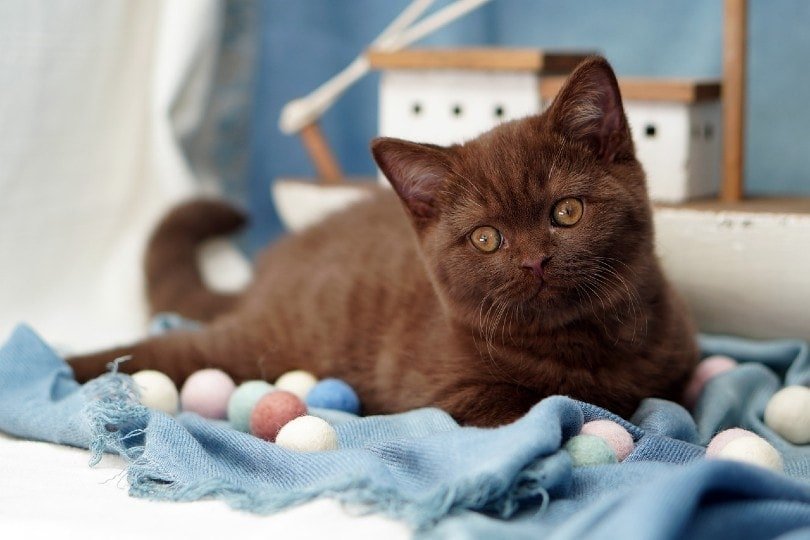
The Rich History of the British Shorthair
Breeders and historians trace the British Shorthair to Britain’s oldest native feline population. Roman legions introduced sturdy working cats to the island around 43 AD, where these cats quickly gained recognition for their exceptional rodent-control abilities. Over time, they developed dense coats and powerful physiques that allowed them to thrive in Britain’s cold and damp climate.
In 1871, Harrison Weir organized the world’s first formal cat show at London’s Crystal Palace. During this historic event, the British Shorthair—then known simply as the “British”—captured public attention, particularly in its iconic blue-gray coat. Although both World Wars brought the breed close to extinction, dedicated fanciers successfully restored it through careful and selective breeding. These efforts preserved the breed’s robust health while refining its coat texture and overall appearance.
Today, the British Shorthair ranks among the most popular and recognizable cat breeds worldwide, consistently earning high registration numbers with both The International Cat Association (TICA) and the Cat Fanciers’ Association (CFA).
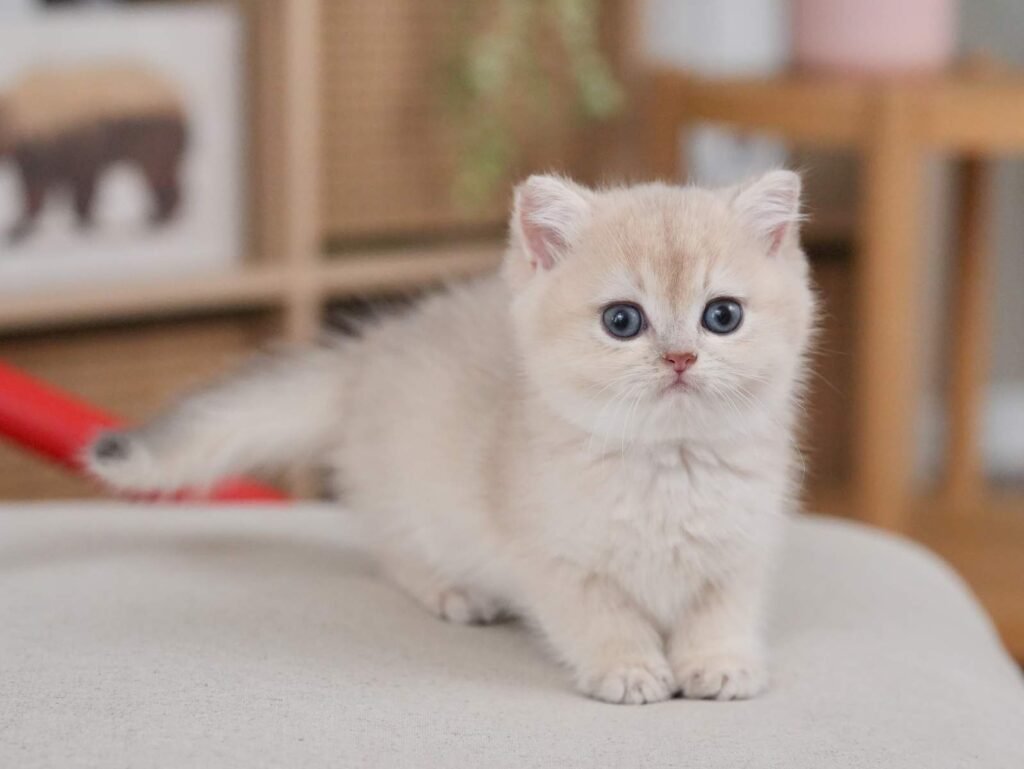
Why the British Shorthair Makes an Outstanding Companion
People value British Shorthairs for their exceptionally balanced temperament. These cats show genuine affection without demanding constant attention, enjoy brief and engaging play sessions, and then relax comfortably while observing their surroundings from a favorite spot. Veterinary behaviorists frequently describe them as “easy keepers” because they require minimal behavioral intervention and emotional upkeep.
In addition, they integrate smoothly into multi-pet households, demonstrate patience with respectful children, and adjust well to apartment living or busy family routines. Unlike highly vocal or high-energy breeds, British Shorthairs rarely vocalize excessively and instead offer calm, dependable companionship.
Physical Characteristics of British Shorthair Cats
The British Shorthair displays a cobby, muscular body with a broad chest, sturdy legs, and a thick tail that tapers to a rounded tip. Adult males typically weigh between 12–18 pounds, while females usually range from 8–14 pounds. Moreover, this breed matures slowly and often takes 3–5 years to achieve full size and a well-developed physique.
Additionally, the breed features a large, round head with full cheeks that create its well-known “smiling” expression. Small, rounded ears sit neatly on top of the head, while wide-set eyes—most commonly deep copper or orange—stand out prominently. However, green or blue eyes appear in specific coat color varieties. The short, dense coat feels crisp to the touch and stands away from the body, which gives the cat a plush, velvet-like appearance.
Finally, organizations such as The International Cat Association (TICA) and the Cat Fanciers’ Association (CFA) enforce strict breed standards. These guidelines emphasize balance, health, and proportion, ensuring breeders preserve the British Shorthair’s classic appearance while avoiding extreme or exaggerated traits.
Popular British Shorthair Colors and Patterns
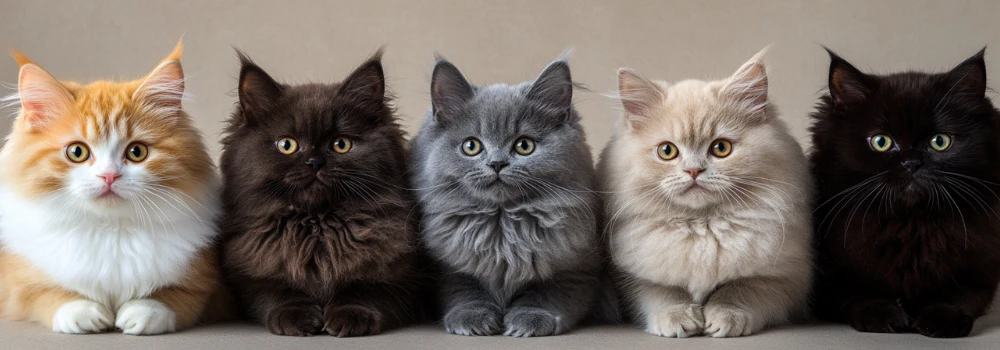
Although the solid medium-blue coat remains the most iconic and frequently searched variety, breeders now produce an impressive array of colors and patterns.
Most Common Solid Colors
- British Blue – uniform gray-blue with copper eyes
- Black – deep, glossy jet black
- White – pure white (may have blue, orange, or odd eyes)
- Cream – soft, pale buff
- Chocolate – rich, warm brown
- Lilac – frosty gray with pink undertone
Rare and High-Demand Colors
Rare colors command premium prices because recessive genetics make them challenging to produce:
- Cinnamon and Fawn – warm reddish-brown and pale mushroom tones
- Golden Chinchilla and Shorthair Golden – black-tipped gold hairs with green eyes
- Silver Chinchilla and Shaded Silver – sparkling silver tipping
Patterns also include classic tabby, mackerel tabby, spotted tabby, tortoiseshell, bicolor, and colorpoint. Currently, golden and silver shaded varieties enjoy strong popularity among buyers who seek show-stopping coats.
Temperament: The Perfect “Gentle Giant”
British Shorthairs display calm confidence and a remarkably even temperament. They form strong bonds with families but avoid clinginess, happily entertaining themselves when caregivers stay busy. Most enjoy lap time, yet always on their own terms.
These cats also show notable patience with children and usually integrate smoothly with dogs and other cats. Their play sessions remain short and dignified rather than frantic. Many cat guardians describe them as having a quiet sense of humor and dog-like loyalty, making them one of the most easygoing and affectionate purebred cats.
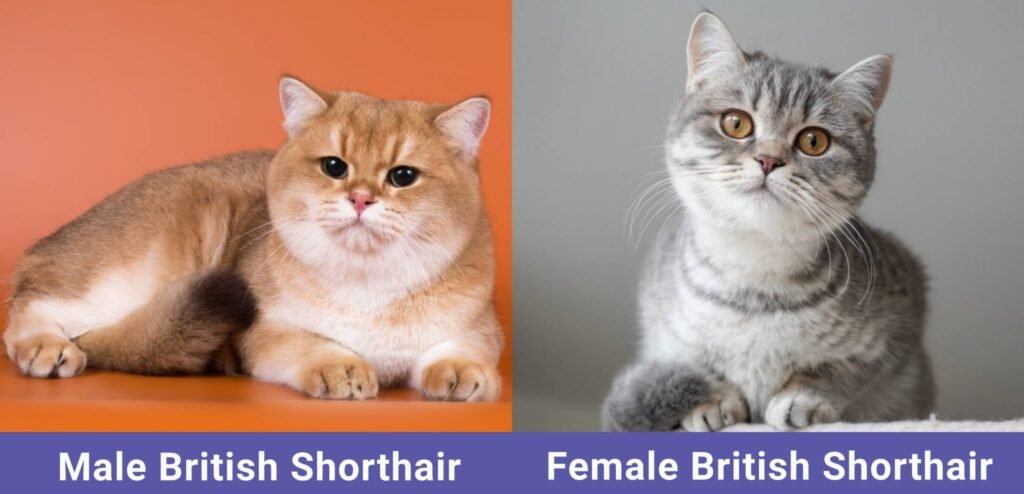
Male vs Female British Shorthair Comparison Guide
Choosing between a male or female British Shorthair often comes down to lifestyle and personal preference. While each cat develops a unique personality, consistent differences appear between the sexes in size, behavior, and social interaction. The table below highlights these general traits to help buyers make an informed decision.
| Trait | Male BSH | Female BSH |
|---|---|---|
| Adult Size | Typically larger and heavier | Slightly smaller and more refined |
| Personality | Relaxed, easygoing, and tolerant | Independent, observant, and selective |
| Affection Style | Openly seeks attention and cuddling | Accepts affection on her own terms |
| Social Behavior | Often follows household members | Prefers controlled interaction |
| Lap Cat Tendency | Frequently becomes a devoted lap cat | Less likely but still affectionate |
Both male and female British Shorthairs make wonderful companions. With proper socialization, neutering or spaying, and consistent care, either gender adapts well to family life and indoor living.
British Shorthair Cat for Sale: Kittens vs. Adult Cats
Searches for British Shorthair kittens for sale often come from the irresistible appeal of round faces and plush coats. Kittens require significant time and commitment because they need early socialization, multiple veterinary visits, and patient training. However, they bond deeply with household routines and adapt easily as they mature.
In contrast, adult or retired show cats offer several practical advantages. Breeders usually spay or neuter these cats, and they already demonstrate reliable litter habits. Their personalities remain fully developed, which allows adopters to choose a temperament that fits their lifestyle. Additionally, reputable breeders often place retired adults at reduced prices, and rescue organizations occasionally rehome purebred British Shorthairs.
Both options suit different households, so choosing depends on time availability, experience level, and long-term expectations.
Comprehensive Health Guide for British Shorthair Cats for Sale
Breeders and veterinarians recognize British Shorthairs as one of the hardier purebred cat breeds. However, informed buyers still understand the importance of genetic screening and preventive care.
Key hereditary and lifestyle-related concerns include:
- Hypertrophic Cardiomyopathy (HCM): A condition involving heart wall thickening that affects certain bloodlines. Responsible breeders perform annual echocardiograms and use available DNA screening tools.
- Polycystic Kidney Disease (PKD): Now rare due to widespread genetic testing and responsible breeding practices.
- Obesity-related conditions: Including diabetes, arthritis, and hepatic lipidosis, often linked to overfeeding and low activity.
- Dental disease: Preventable through routine at-home tooth brushing and regular veterinary checkups.
Cats born to health-tested parents often enjoy lifespans of 15 to 20 years or more when caregivers provide proper nutrition, routine veterinary care, and a stable home environment.
Detailed Daily Care Requirements for British Shorthair cat for sale
Grooming Routine
The dense double coat benefits from weekly brushing with a slicker brush or rubber grooming mitt to remove loose hair and distribute natural oils evenly. During spring and fall shedding seasons, caretakers should increase brushing frequency to reduce matting and hair buildup. Most British Shorthairs tolerate bathing every two to three months when caregivers use a cat-specific shampoo.
Additionally, routine nail trimming, regular ear cleaning, and consistent dental care help prevent common health issues. Caregivers should brush teeth three to four times per week using enzymatic pet toothpaste to support long-term oral health.
Diet and Feeding Guidelines
Caregivers should provide high-quality, high-protein food designed for cats with moderate activity levels. A balanced combination of wet and dry food supports both urinary tract health and dental hygiene.
Sample adult feeding schedule (10–12 lb cat):
- Morning: ½ can wet food or ¼ cup dry food
- Evening: ½ can wet food or an additional ¼ cup dry food
- Total daily calories: Approximately 250–350, adjusted to maintain ideal body condition
Veterinarians often recommend trusted formulas such as Royal Canin British Shorthair, Hill’s Science Diet Adult Optimal Care, Orijen Regional Red, and Wellness CORE. Caregivers should avoid free-feeding, as this breed gains weight easily.
Many caregivers also introduce joint supplements containing glucosamine and chondroitin during middle age. In addition, discussing taurine intake and heart-supportive nutrition with a veterinarian supports long-term cardiac health.
Exercise and Mental Stimulation
Although adult British Shorthairs naturally prefer a relaxed lifestyle, daily interactive play remains essential for weight control and mental engagement. Effective activities include:
- Feather wands or fishing-pole toys for chasing
- Puzzle feeders and treat-dispensing toys
- Tall scratching posts or cat trees with platforms
- Laser pointer play always ends with a physical toy capture
Owners should aim for two play sessions lasting 10 to 15 minutes each day. Signs of insufficient stimulation often include overeating, excessive sleeping, or mild destructive behavior.
Bringing Your New British Shorthair Home: Step-by-Step Preparation
- Before Arrival: Owners prepare a quiet “safe room” with a litter box, bed, scratching post, food/water stations, and hiding spots. They kitten-proof the home by securing cords, removing toxic plants, and blocking small gaps. Essential supplies include premium food matching the breeder’s brand, a shallow litter box, stainless steel bowls, and a pheromone diffuser (Feliway).
- First 24–48 Hours: New cats stay confined to the safe room for gradual adjustment. Owners visit briefly and calmly, allowing the cat to approach first. They maintain the breeder’s exact feeding and litter schedule initially.
- Week 1–2: Gradually, owners expand access to the rest of the home under supervision. They introduce family members and pets one at a time through scent swapping and controlled meetings.
- Month 1: If changing brands, owners should transition their pet’s food slowly (increase the new food by 25% increments daily). They schedule the first wellness exam and continue the vaccination series.
Common early adjustments—temporary hiding, reduced appetite, or loose stool—usually resolve quickly with patience.
British Shorthair Cat for Sale: Current Pricing and Market Overview
Pet-quality British Shorthair kittens from health-tested, registered parents typically range from $800 to $2,500. Prices fluctuate based on several factors, including:
- Color rarity (classic blue usually falls at the lower end, while golden or silver shaded kittens often reach $1,500–$3,000)
- Pedigree strength and show potential
- Geographic location and breeder reputation
- Inclusions such as early spay or neuter, microchipping, and a health guarantee
Adult retired show or breeding cats from ethical sources typically cost between $800 and $2,000. In comparison, rescue or adoption fees usually range from $150 to $500.
Annual ownership costs average $800–$1,500, covering premium food, litter, routine veterinary care, and pet insurance.
How to Find Reputable British Shorthair Breeders
When searching for a British Shorthair cat for sale, selecting a reputable breeder remains the most important step. A responsible breeder prioritizes health, temperament, and long-term welfare over quick sales. Therefore, buyers should focus on breeders registered with recognized organizations such as TICA, CFA, or equivalent international associations.
Reputable British Shorthair breeders consistently follow these best practices:
- Perform and openly share HCM echocardiograms and PKD DNA test results
- Raise kittens underfoot in the home rather than in cages
- Provide written health guarantees, often lasting 2 to 5 years, against genetic conditions
- Welcome visits when appropriate and offer lifelong breeder support
Before committing, buyers should ask direct and specific questions. For example:
- How often do you health-screen breeding cats?
- May I meet the parents and see the living environment?
- What socialization methods do you use during early development?
- What contract terms and return policy do you provide?
At the same time, buyers should actively avoid warning signs. These include unusually low prices, frequent large litters, refusal to share health records, or pressure to place deposits quickly.
Trusted breeders such as shorthaircattery.com follow ethical breeding standards, maintain transparent health testing, and raise well-socialized British Shorthair kittens in a home environment. As a result, buyers receive healthier kittens and long-term breeder guidance.
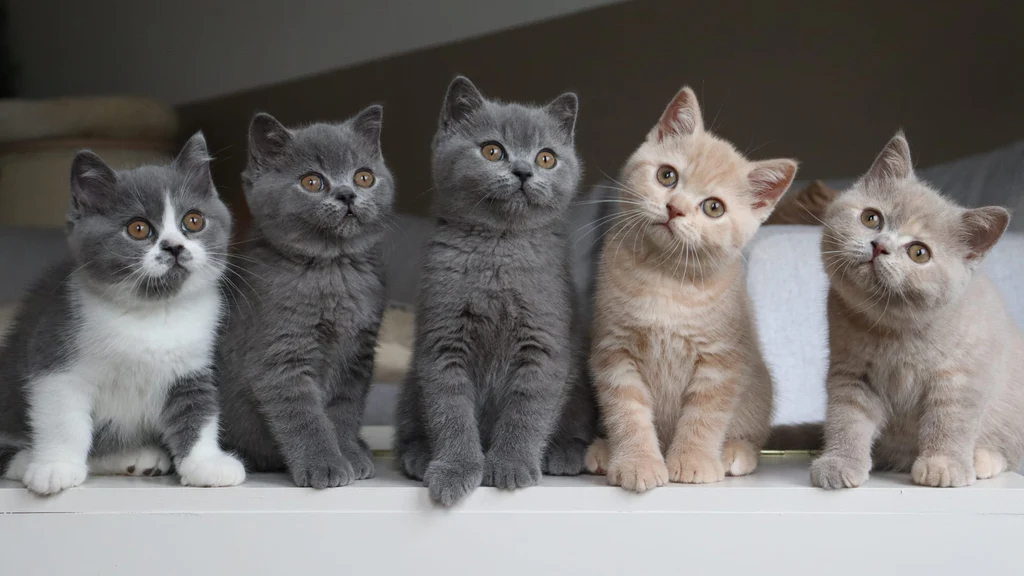
British Shorthair Comparison to Similar Breeds
Choosing the right cat breed requires clear comparisons. While several breeds share similar features with the British Shorthair, each breed differs in structure, activity level, and personality. Therefore, the table below highlights the most important distinctions to help owners make an informed choice.
| Breed | Physical Traits | Temperament | Key Differences Compared to British Shorthair |
|---|---|---|---|
| British Shorthair | Round face, dense plush coat, sturdy body | Calm, placid, low-energy | Stands out for extreme coat density and an exceptionally relaxed nature |
| Scottish Fold | Round face with folded ears | Temperament varies | However, folded ears link to cartilage and joint concerns |
| Chartreux | Additionally, this breed offers a wider color variety and higher activity | Active and vocal | In contrast, this breed shows higher energy and frequent vocalization |
| American Shorthair | Athletic working-cat structure | Playful and energetic | However, folded ears are linked to cartilage and joint concerns |
| Russian Blue | Slender body with green eyes | Shy yet alert | Slimmer build with a blue coat |
Frequently Asked Questions About British Shorthair Cats
Buyers looking for a British Shorthair cat for sale often ask the following questions to make an informed decision.
How much does a British Shorthair cat cost?
Pet-quality kittens from reputable breeders range $800–$2,500. Rare colors like golden or silver shaded often reach $1,500–$3,000. Adoption fees typically stay between $150–$500.
Are British Shorthairs hypoallergenic?
No cat achieves true hypoallergenic status, but British Shorthairs produce fewer Fel d 1 allergens than many breeds and shed moderately, so some allergy sufferers tolerate them better.
Are British Shorthairs good with children?
Yes, they demonstrate remarkable patience and tolerance with respectful children. Owners always supervise interactions with young kids.
Are British Shorthairs good with dogs and other cats?
Most adapt well to canine and feline companions, especially with proper introductions.
Do British Shorthairs like to cuddle?
Many develop into affectionate lap cats as adults—particularly males—though they prefer affection on their own schedule.
How long do British Shorthairs live?
With excellent genetics and care, they commonly live 15–20 years, and many reach their early twenties.
Are British Shorthairs indoor or outdoor cats?
Owners keep them strictly indoors to protect against traffic, disease, and theft.
Do British Shorthairs shed a lot?
They experience moderate seasonal shedding. Weekly brushing effectively manages loose hair.
What health problems do British Shorthairs have?
Primary concerns include hypertrophic cardiomyopathy (HCM), obesity, and dental disease. Responsible breeding and screening dramatically reduce risks.
Are British Shorthairs playful?
Kittens show moderate playfulness; adults prefer dignified, brief bursts over constant high energy.
Do British Shorthairs meow a lot?
They rank among quieter breeds and use soft chirps and trills rather than loud or frequent vocalization.
Final Thoughts on British Shorthair Cat for Sale
Overall, the British Shorthair cat for sale represents an ideal balance of calm temperament, strong health, and a distinctive plush appearance that suits a wide range of households. Choosing a kitten from a health-tested, ethically managed breeding program—or responsibly adopting through a reputable rescue—supports long-term well-being and builds a stable, trustworthy bond from the very beginning.
Ultimately, buyers who research carefully and select responsibly enjoy years of dependable companionship with this exceptional breed. Browse our available British Shorthair kittens today to confidently choose a well-raised cat that aligns with your lifestyle and completes your home.
