

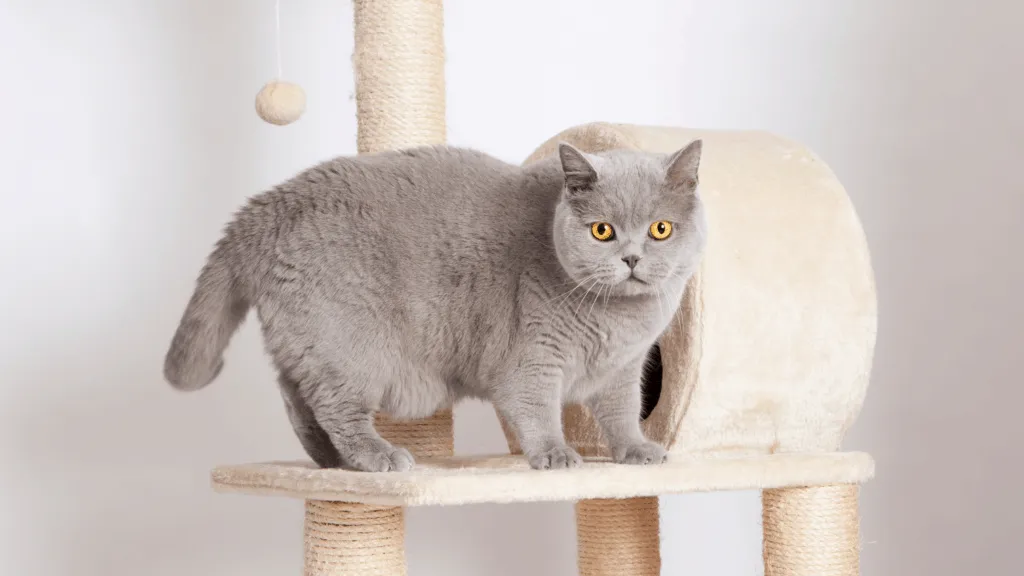
The British Shorthair cat price captures the attention of cat lovers everywhere. These iconic, plush-coated felines boast round faces, dense fur, and remarkably calm personalities, which make them one of the most sought-after purebred cats. Prospective owners naturally want to understand the cost of a British Shorthair, including variations in the price of British Shorthair kittens.
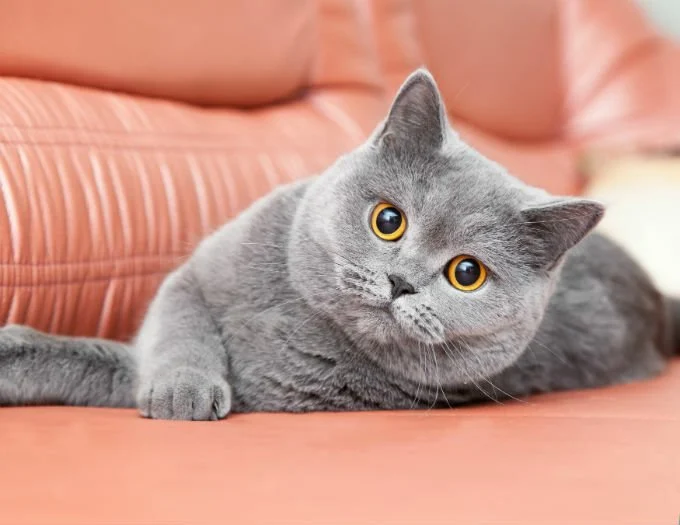
Cat enthusiasts affectionately call them “British Blues” because of their classic gray coat. British Shorthairs trace their roots to sturdy Roman-era cats that arrived in Britain centuries ago. Over time, they developed into the robust, affectionate breed that TICA and CFA recognize today. Moreover, their teddy-bear looks and laid-back nature suit families, apartment dwellers, and first-time owners perfectly. Consequently, steady demand and high ethical breeding standards drive the overall British Shorthair cost.
Current British Shorthair Cat Price Landscape
Understanding current pricing helps buyers plan realistically and choose the right market. Costs vary between the United States and the United Kingdom due to availability, breeding density, import logistics, and demand for rare colors. Below is a clear side-by-side overview to guide informed decisions.
| Category | United States (USD) | United Kingdom (GBP) |
|---|---|---|
| Pet-Quality Kitten | $1,800–$2,800 | £900 – £2,000 |
| Show-Quality/Champion Lines | $3,500–$4,500+ | £2,000 – £2,500+ |
| Rare Colours (Golden, Lilac, Chinchilla) | $4,000–$6,000 | £2,200 – £3,000 |
| Adult Cat / Retired Breeder | $800–$1,500 | £400 – £1,000 |
| Adoption/Rescue Fees | $50–$400 | £100–£300 |
| Availability Level | Moderate to Limited | Widely Available |
Why British Shorthair Cat Prices Remain High
Responsible breeding programs require substantial investment in every litter, which directly explains the higher price point. Cost analyses from GCCF-affiliated catteries and veterinary reproduction specialists show that producing a single litter typically requires $3,000–$7,000 before any kitten is sold. These expenses cover DNA screening for PKD, HCM cardiac testing, prenatal ultrasound monitoring, premium species-appropriate nutrition, early behavioral socialization, vaccinations, and meticulous facility maintenance.
Additionally, ethical standards set by organizations such as the Governing Council of the Cat Fancy (GCCF) and the Cat Fanciers’ Association (CFA) recommend limiting queens to one to three litters per year to protect long-term health. This careful approach reduces overall availability and naturally drives demand. By comparison, unregulated sellers may list kittens for $600–$1,200, yet veterinary associations consistently associate such sources with higher risks of inherited conditions, inadequate social development, and increased early-life medical expenses.
British Shorthairs also mature slowly, reaching full skeletal structure and dense coat development only after three to five years, according to feline growth studies cited by International Cat Care (iCatCare). As a result, producing consistent, high-quality bloodlines requires years of planning and refinement. Taken together, these factors clearly explain why British Shorthairs are priced higher than domestic shorthairs and many other pedigree cats.
Key Factors That Affect British Shorthair Cat Price
Several important factors directly influence the final price buyers pay for a British Shorthair.
Pedigree and Bloodlines
Kittens from champion bloodlines with multi-generational health clearances add $800–$2,000 to the base price. Moreover, verified negative results for PKD and HCM protect buyers from hereditary conditions.
Coat Color and Pattern Rarity
While classic blue remains the most common and affordable option, rare colors increase costs due to careful genetic planning. For example:
- Lilac, cinnamon, or fawn: +$600–$1,800
- Golden chinchilla or shaded golden: +$1,500–$3,500
- Colorpoint patterns: $2,800–$5,000
Pet Quality vs. Show Quality vs. Breeding Rights
The kitten’s purpose also affects price. Pet-quality kittens serve as loving companions and cost the least. In contrast, show-quality kittens, which closely follow breed standards, cost $1,000–$2,500 more. Furthermore, breeders charge an additional $2,000–$4,000 for kittens with breeding rights due to top conformation.
Breeder Reputation and Ethics
Established, registered catteries maintain transparent practices, provide comprehensive health guarantees, and offer ongoing support. Therefore, their kittens command higher prices that reflect ethical care and professionalism.
Age of the Cat
Buyers prefer kittens aged 12–16 weeks, which leads to peak pricing. On the other hand, young adults or retired breeding cats often sell for 40–70% less while providing known personalities and health histories.
Geographic Location and Demand
Regions with few breeders show higher prices because supply is limited. Conversely, urban areas with multiple catteries sometimes offer more competitive options.
Health Guarantees and Inclusions
Reputable packages include vaccinations, microchipping, health certificates, and genetic guarantees. Consequently, these inclusions increase the price by $300–$600 while offering essential protection and long-term value for buyers.
British Shorthair Price Comparison Table
| Category | USA Price Range | UK Price Range | Rare Color Premium |
|---|---|---|---|
| Pet-Quality Kitten (Classic Blue) | $1,500–$2,500 | £900–£1,800 | N/A |
| Show-Quality Kitten | $2,500–$4,000 | £1,800–£3,000 | +$1,000+ |
| Rare Color (Lilac/Golden) | $3,000–$6,000 | £2,000–£4,000 | Included |
| Adult/Retired Breeder | $800–$1,800 | £600–£1,500 | Varies |
| Adoption/Rescue | $50–$400 | £50–£300 | N/A |
Adoption vs. Buying from a Breeder: Pros, Cons, and Costs
When choosing a British Shorthair, potential owners must decide between adoption and purchasing from a breeder. Each option has advantages, disadvantages, and costs to consider. Understanding these differences helps ensure a well-informed decision.
Comparison Table
| Option | Cost | Pros | Cons |
|---|---|---|---|
| Adoption | $50–$400 | Covers spay/neuter, vaccinations, and microchipping; supports rescue organizations; often lower stress on the budget | Purebred British Shorthairs rarely appear in general shelters; unknown lineage; health history may be incomplete |
| Breeder | $1,500–$5,000+ | Guaranteed pedigree; comprehensive health testing; early behavioral socialization; predictable temperament | Higher cost; waiting period of 6–18 months; ethical considerations require careful breeder selection |
Adoption: Affordable and Compassionate
Adoption offers a cost-effective way to bring a British Shorthair into your home. Fees typically range from $50–$400 and frequently cover essential medical procedures like spaying/neutering, vaccinations, and microchipping. Additionally, adopting supports rescue organizations and helps reduce the number of cats in shelters.
However, purebred British Shorthairs rarely enter general shelters, and those available may have unknown lineage or health histories. Consequently, availability is limited, and buyers may not be able to select specific colors, patterns, or ages.
Tip: Check dedicated British Shorthair rescue networks and breed-specific adoption groups to increase your chances of finding a purebred.
Buying from a Reputable Breeder: Predictable Quality
Purchasing from a registered and ethical breeder guarantees pedigree, thorough health testing, and proper early socialization. Breeders often provide detailed documentation of vaccinations, genetic screenings, and family lineage, giving buyers confidence in their kitten’s health and temperament.
On the other hand, this option involves higher costs, typically ranging from $1,500–$5,000 or more, depending on bloodlines, coat colors, and show potential. Additionally, waiting times of 6–18 months are common for planned litters. Buyers should also carefully research breeder ethics to ensure responsible practices.
Tip: Consider visiting the breeder, requesting health certificates, and reviewing multi-generational pedigree documentation before committing.
Making the Choice
Ultimately, the decision depends on your priorities. If budget and supporting rescue efforts are important, adoption may be ideal. If you value predictable pedigree, health, and early socialization, purchasing from a reputable breeder is the better choice.
For those ready to adopt or buy, explore our available British Shorthair kittens page to find healthy, well-socialized cats that match your needs.
British Shorthair Cat Price: Understanding Lifetime Ownership Costs
Owning a British Shorthair involves more than just the initial kitten price. Understanding the lifetime costs helps buyers plan responsibly.
First-Year Expenses
During the first year, owners typically spend $1,200–$2,500 beyond the purchase price:
- Initial supplies such as carriers, litter boxes, and toys: $400–$900
- Veterinary care for exams and vaccinations: $500–$900
- Food and litter: $600–$1,000
Annual Expenses Thereafter
After the first year, recurring costs generally average $1,200–$2,200 per year:
- Premium food: $500–$1,000
- Litter and supplies: $250–$450
- Routine veterinary care and preventives: $400–$800
- Pet insurance: $350–$650
- Miscellaneous items: $200–$500
Lifetime Costs
Over a 15–20-year lifespan, owners typically spend $18,000–$28,000 in total. Fortunately, British Shorthairs require minimal grooming and enjoy solid health, which helps keep overall costs moderate compared to other purebreds.
Health Considerations Impacting Long-Term Costs
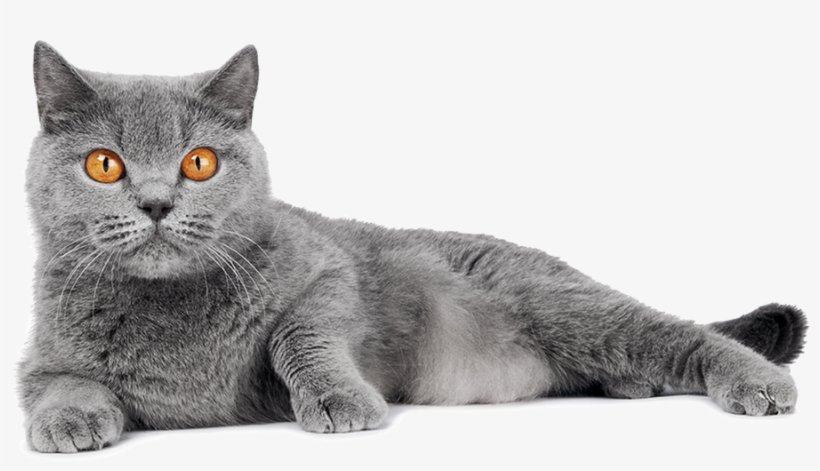
British Shorthairs generally enjoy robust health, but certain breed-specific risks can affect long-term ownership costs. Understanding these factors helps owners plan.
- Polycystic Kidney Disease (PKD): Responsible genetic testing has nearly eliminated this concern in ethically bred cats.
- Hypertrophic Cardiomyopathy (HCM): Annual echocardiograms, costing $300–$600 after age three, help detect heart issues early and reduce potential emergency expenses.
- Obesity: Their relaxed nature and stocky build require careful portion control and daily play to maintain a healthy weight.
Ethical breeders perform extensive health screening, which dramatically lowers risks. Additionally, pet insurance that covers hereditary conditions can save owners thousands in potential treatment costs.
Tip: Regular veterinary check-ups, proper diet, and preventive care ensure your British Shorthair stays healthy and helps control lifetime costs.
Tips for Finding and Buying a British Shorthair
Finding a healthy, well-socialized British Shorthair requires careful research and planning. Follow these practical steps to ensure you bring home a happy, well-cared-for kitten:
- Search reputable directories: Begin your search through TICA and CFA breeder directories to locate registered, ethical breeders.
- Join waiting lists early: Popular colors or genders may require months of planning, so add your name to waiting lists promptly.
- Request documentation: Always ask for health records, parent photos, and a written contract to verify the kitten’s pedigree and care.
- Visit the breeder: Schedule a virtual or in-person visit to evaluate the environment, cleanliness, and socialization practices.
- Arrange pet insurance: Ensure coverage starts immediately to protect against unexpected veterinary costs.
Red Flags to Avoid
- Unusually low prices without a clear justification
- Missing health testing documentation for parents or kittens
- Pressure for quick payment or pickup
- Refusal of visits or references
- Kittens offered younger than 12 weeks can indicate poor breeding practices
Frequently Asked Questions About British Shorthair Cat Price
1. How much does a British Shorthair kitten cost?
Pet-quality kittens usually cost $1,500–$3,500 USD, while show-quality or rare-color kittens can reach $4,000–$6,000.
2. Why are British Shorthairs expensive?
Ethical breeders invest in thorough health testing, premium care, and limited litters, which increases the price per kitten.
3. How much does a classic blue British Shorthair cost?
Classic blue kittens remain the most affordable, typically $1,500–$2,800 USD for pet quality.
4. Are British Shorthairs expensive to maintain?
No—their annual costs average $1,200–$2,200, thanks to minimal grooming needs and generally strong health.
5. What is the price difference between pet-quality and show-quality kittens?
Show-quality kittens cost $1,000–$2,500 more because they closely match official breed standards.
6. How do British Shorthair prices compare between USA and UK?
Prices in the USA range $1,500–$4,000+ due to fewer local breeders, while the UK typically charges £900–£2,500 because of greater availability.
7. Is a British Shorthair worth the price?
Yes—owners value their calm temperament, affectionate nature, and longevity, which deliver excellent long-term value.
8. What is the cost difference between adoption and buying from a breeder?
Adoption fees range $50–$400, but breeders charge $1,500+ for guaranteed health, pedigree, and early socialization.
Is a British Shorthair Cat Worth the Price?
British Shorthairs offer far more than their price tag suggests. These gentle, loyal companions provide 15–20 years of serene company, affectionate nudges, and signature plush cuddles that captivate owners worldwide. With their predictable personality, low grooming needs, and robust health, especially when sourced from responsible breeders, they suit busy households, families, and novice cat owners alike.
Ultimately, careful selection rewards owners with a timeless feline friend who combines quiet dignity with deep warmth. For anyone ready to welcome such a remarkable companion, a British Shorthair delivers joy and companionship that no dollar amount can fully capture.
Explore our available British Shorthair kittens to find a well-bred, healthy companion ready for a loving home.
