

The Fawn British Shorthair Kitten captivates cat lovers worldwide with its rare and elegant appearance. Its soft, warm beige coat shimmers with subtle rosy undertones, evoking the gentle glow of a sunrise over sandy dunes. This elusive dilute color variation stands apart from the more common British Blue. Moreover, it offers refined exclusivity while retaining the breed’s signature plush, teddy-bear-like density that feels irresistibly luxurious to the touch.
Cat enthusiasts trace the origins of the British Shorthair back to ancient Rome. Sturdy cats accompanied Roman legions to Britain, where they gradually evolved into resilient street survivors. By the late nineteenth century, pioneering fanciers such as Harrison Weir standardized the breed at the world’s first cat show in 1871. They emphasized the cobby body type and dense coat. After World War II, breeding programs introduced Persian influences to restore population numbers and enhance coat plushness. Consequently, these efforts shaped the modern British Shorthair recognized today.
Major cat registries, including the Governing Council of the Cat Fancy (GCCF), The International Cat Association (TICA), and the Cat Fanciers’ Association (CFA), now recognize this established standard. Solid blue remains the most common color and accounts for nearly half of annual GCCF registrations. However, newer shades such as cinnamon and its dilute form, fawn, achieved full championship status in the early 2000s across most registries. As a result, these colors represent an important milestone in expanding breed diversity.

The Unique Allure of the Fawn British Shorthair Coat Color
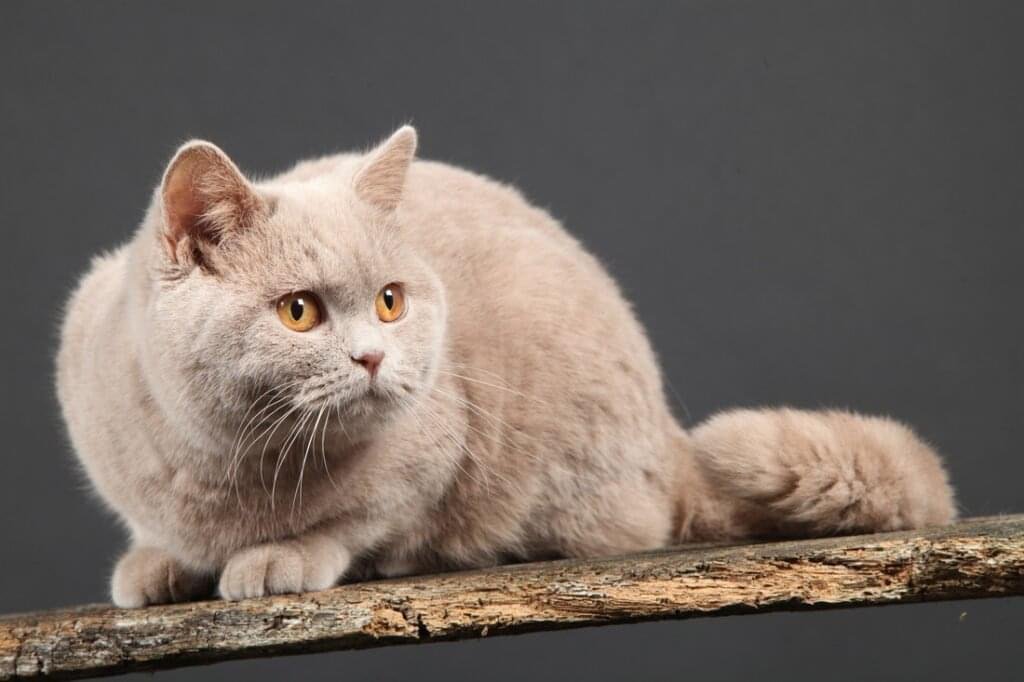
The Fawn British Shorthair Kitten displays a coat that appears almost ethereal. Breeders aim for a uniform pale mushroom-beige tone with warm pinkish hues that appear softer and rosier than the cooler shades seen in other dilute colors. This warmth originates from its genetic foundation as the dilute form of cinnamon, which begins as a reddish-brown base and lightens significantly under the influence of the dilution gene.
Key visual hallmarks include:
- Even, solid coloration with no tabby ghosting or markings in show-quality adults, although faint patterns may appear in kittens
- Nose leather and paw pads in soft pinkish-fawn, which serve as the most reliable identifiers
- Eye color is rich copper or deep amber, creating a striking contrast against the pale coat
In natural sunlight, the coat often assumes a luminous quality that accentuates its subtle rosy glow. Breed standards from CFA, TICA, and GCCF require strict uniformity and penalize uneven shading or cooler undertones that may indicate misidentification. Moreover, owners frequently describe the texture as velvety or like stroking warm cashmere, reinforcing how this color enhances the breed’s signature plush feel.
Fawn British Shorthair Genetics: Understanding Cinnamon and Dilution
Fawn British Shorthair Kitten genetics explain why this elegant coat color remains exceptionally rare. The brown color locus includes three alleles: B (black, dominant), b (chocolate), and bˡ (cinnamon, recessive). A cat expresses cinnamon only when it inherits bˡ/bˡ, which means both parents must carry the gene.
Fawn appears when breeders pair cinnamon with the recessive color-lightening gene (d/d):
- Cinnamon (bˡ/bˡ, D/) produces a warm reddish-brown coat
- Fawn (bˡ/bˡ, d/d) results in a pale, warm beige shade
This genetic relationship follows the same pattern seen in other color transformations. For example, black lightens to blue, while chocolate shifts to lilac. However, producing true fawns requires careful planning. Both parents must carry cinnamon, and at least one must pass on the recessive lightning gene. Random pairings rarely meet these conditions, which explains the color’s scarcity.
Kittens often appear ambiguous at birth and may resemble lilac or cream. Over time, their coat warms and clarifies as pigment develops. Breeders rely on DNA testing through laboratories such as Langford Vets or UC Davis to confirm carrier status accurately.
Ethical breeders always balance color goals with health priorities. They screen breeding cats for polycystic kidney disease (PKD) and hypertrophic cardiomyopathy (HCM) to protect long-term welfare.
Furthermore, the cinnamon and fawn lines expanded during the early 2000s through European and Russian imports. These additions strengthened genetic diversity while preserving the breed’s hallmark type. Today, fawn remains one of the least registered solid colors across major cat registries.
Fawn vs Lilac British Shorthair: Spotting the Subtle Differences
Enthusiasts most commonly ask about “Fawn vs lilac British Shorthair.” These dilutions confuse even experienced owners because of their similar pale tones.
| Feature | Fawn British Shorthair | Lilac British Shorthair |
|---|---|---|
| Base Gene | Dilute cinnamon (warm reddish-brown base) | Dilute chocolate (cool brown base) |
| Coat Tone | Warm beige with pinkish/rosy undertones | Cool gray-lavender with bluish/frosty hues |
| Nose Leather & Pads | Pinkish-fawn or light pink | Lavender, brownish, or purplish |
| Overall Appearance | Mushroom-like, luminous in warm light | Dove-gray, more muted and cool |
| Rarity | Extremely rare | Rare but more common than fawn |
| Kitten Development | Warmer glow emerges gradually | Cooler tone evident earlier |
Paw pads and nose provide the clearest distinction. Fawn shows a delicate pink hue, whereas lilac displays lavender-brown. In mixed litters, side-by-side comparison clearly highlights fawn’s subtle warmth. Owners often describe it as “creamy warm grey” against lilac’s “frosty grey.” Additionally, cream (dilute red) causes frequent confusion, but cream exhibits stronger golden tones and entirely different genetics.
Color Changes from Kittenhood to Adulthood
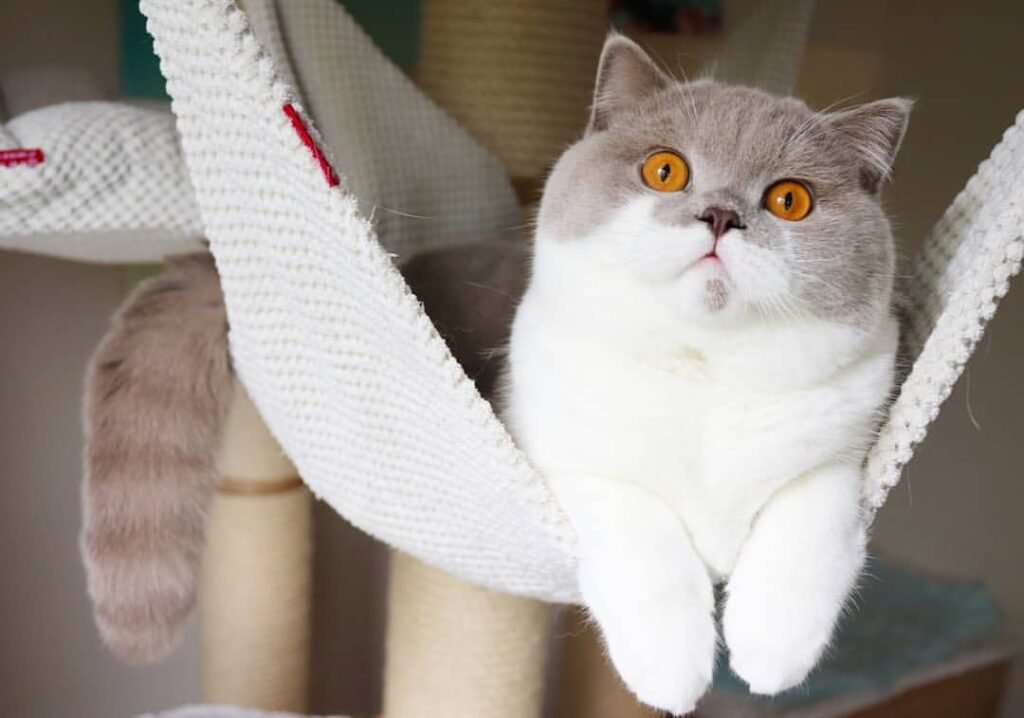
Fawn British Shorthair kittens charm everyone with their fluffy, downy coats and oversized, round heads. However, their final coat color develops gradually and often unpredictably. Newborn kittens appear extremely pale and frequently resemble lilac, cream, or very light blue littermates. As a result, breeders often revise early color assessments as warmer undertones begin to emerge between four and twelve weeks of age.
Typical color development timeline:
- Birth to 4 weeks: Kittens remain extremely pale, often with a white-tinged appearance. Eyes open around day ten and appear blue.
- 4–8 weeks: Subtle warmth begins to show, and paw pads gradually shift toward a pinkish tone.
- 8–16 weeks: Rosy undertones strengthen, and kittens become ready for new homes with clearer fawn indicators.
- 6–12 months: Adolescents often enter an “ugly duckling” phase, during which the coat may darken temporarily, show ghost tabby markings, or appear cooler before settling.
- 1–2 years: Cats reach full maturity, achieve deep copper eye color, and stabilize into their final adult shade.
This slow maturation process adds excitement for owners, who can watch their kitten’s appearance evolve. Early socialization during the eight- to twelve-week window helps ensure confident, well-adjusted adults. Reputable breeders complete vaccinations, deworming, microchipping, and health screening before placing kittens in new homes.
Temperament and Behavior of the Fawn-Colored British Shorthair
This warm-toned British Shorthair variation reflects the breed’s well-known sense of serenity and balance. These cats remain calm and affectionate without becoming clingy, while also showing steady loyalty to their families. Often described as “gentle giants,” they prefer to observe household activity from comfortable vantage points and provide quiet companionship rather than demand constant attention.
Real-life owner experiences commonly highlight the following traits:
- A strong preference for routine and predictable environments
- Excellent tolerance of respectful children and other pets, including dogs
- Short bursts of playful energy, especially during kittenhood, followed by long, contented naps
- Subtle communication through head-butts, slow blinks, and soft chirps instead of frequent vocalization
- A distinctive, relaxed facial expression that reflects their easygoing nature
Although coat color does not influence temperament, many owners feel that the warm fawn shade visually complements the breed’s calm, grounded presence.
Essential Care Tips for a Fawn British Shorthair
The fawn British Shorthair is a healthy, low-maintenance breed. With proper attention to detail, caregivers can help ensure a long lifespan of 12–20 years.
Grooming the Plush Coat
- Brush weekly with a soft slicker or rubber grooming mitt to remove loose fur and distribute natural oils.
- During spring and autumn shedding seasons, daily brushing prevents hairballs.
- Bathe only if necessary, using a mild cat-specific shampoo.
Nutrition and Weight Management
- Feed high-quality, high-protein commercial food (wet, dry, or mixed) in controlled portions.
- Adult males: 12–18 lbs | Adult females: 8–12 lbs.
- Obesity can occur due to a laid-back lifestyle. Use puzzle feeders and timed meals to maintain a healthy weight and provide mental stimulation.
Exercise and Enrichment
- Provide cat trees, window perches, scratching posts, and interactive toys such as wand teasers, laser pointers, and treat balls.
- Short daily play sessions (10–15 minutes) keep muscles toned and prevent boredom.
Health Considerations
- Generally hardy, but responsible breeders screen for:
- Polycystic kidney disease (PKD): detectable with a simple DNA test
- Hypertrophic cardiomyopathy (HCM): monitored via regular echocardiograms in breeding lines
- Routine veterinary care includes annual check-ups, vaccinations, dental cleaning, and parasite prevention.
Fawn British Shorthair Price, Availability, and Finding Reputable Breeders
The extreme rarity of the fawn British Shorthair drives its price significantly higher than more common coat colors.
Typical price ranges:
- Pet-quality kittens: $2,200–$4,500 USD | £1,800–£3,500 GBP
- Show or breeding-quality: $4,500–$7,000+ USD
Factors influencing cost include pedigree depth, results from health testing, geographic location, and breeder reputation.
Waitlists of 6–24 months are common. Ethical breeders register with TICA, CFA, or GCCF and provide full health documentation, early socialization, and lifetime support. Buyers should watch for red flags such as unusually low prices, lack of genetic testing, or pressure for quick deposits.
Finding a fawn British Shorthair through rescues is extremely rare, as most shelter cats are blue or tabby mixes. For those ready to welcome a kitten, exploring our available British Shorthair kittens ensures you find a well-raised, healthy companion from reputable breeders.
Other Rare Variations: Fawn Tortie British Shorthair
While solid fawn British Shorthairs are already rare, the fawn tortie—a fawn coat with cream patches—adds another level of exclusivity. Tortoiseshell patterning occurs almost exclusively in females, though rare XXY males can also display it. This pattern combines the dilute cinnamon series with red or cream genes, resulting in a soft, warm patchwork of fawn and pale cream that is highly prized among breeders and collectors.
Additionally, producing fawn torties consistently requires careful genetic planning, making them extremely uncommon and sought-after in both show and pet-quality cats. Their rarity often translates into longer waitlists and higher prices compared to standard fawn British Shorthairs.
Frequently Asked Questions About Fawn British Shorthair Kitten
1. How rare is the Fawn British Shorthair Kitten?
Fawn is one of the rarest British Shorthair colors, making up less than 1–2% of annual registrations. It requires two recessive genes (cinnamon and dilute).
2. What’s the difference between fawn, lilac, and cream?
Fawn has warm, pinkish-rosy undertones with matching paw pads and nose leather. Lilac shows cool lavender-gray tones, and cream displays golden-peach shades from dilute red.
3. Do Fawn British Shorthair kittens change color?
Yes. Kittens are pale at birth and gradually develop warm, rosy tones by 4–16 weeks, reaching full adult color by 1–2 years.
4. How much does a Fawn British Shorthair cost?
Pet-quality kittens range from $2,200–$4,500 USD (£1,800–£3,500 GBP). Show-quality cats can reach $7,000+, reflecting rarity, health testing, and breeder reputation.
5. Are Fawn British Shorthairs hypoallergenic?
No breed is completely hypoallergenic. British Shorthairs produce moderate Fel d 1 levels and shed less than many breeds, which may suit some allergy sufferers.
6. Can male British Shorthairs be fawn tortie?
Rarely. Tortoiseshell patterns require two X chromosomes, so nearly all fawn torties are female. Rare XXY males may occur.
7. How can I identify a true fawn kitten?
Check for pinkish-fawn paw pads and nose leather by 6–8 weeks. Warm coat undertones and copper eyes also confirm fawn.
8. Are Fawn British Shorthairs recognized in cat shows?
Yes. Fawn has full championship status in CFA, TICA, and GCCF and is accepted in competitions worldwide.
Final Thoughts: Embrace the Warmth of a Fawn British Shorthair Kitten
The Fawn British Shorthair Kitten isn’t just a cat—it’s a lifelong companion wrapped in elegance and warmth. With its rare, gentle coloring and plush, irresistible coat, it captures hearts at first sight. Every nuzzle, every watchful gaze, every quiet moment spent together deepens a bond that feels truly unique. For those seeking more than just a pet, the Fawn British Shorthair Kitten offers devotion, serenity, and a presence that transforms a house into a home. Embrace the joy of this extraordinary companion, and discover a love that lasts a lifetime.
