

When comparing the British Shorthair vs Scottish Fold, cat owners must understand each breed’s origins, temperament, and health profile to choose the right companion. Although these popular cats share plush coats and rounded features, they offer distinct personalities, care needs, and long-term considerations.
With over 15 years of experience in feline breed advocacy—including collaborations with the Cat Fanciers’ Association (CFA) and The International Cat Association (TICA)—I present this research-backed comparison using veterinary studies, ethical breeding data, and real owner experiences.
Additionally, this guide answers common questions such as “British Shorthair or Scottish Fold—which is better?” and “How do their temperaments compare?” By focusing on health, pricing, and welfare standards, it helps both first-time owners and experienced cat enthusiasts make a confident, informed decision.
Origins and Evolution of the Breeds: British Shorthair vs Scottish Fold
British Shorthair: Ancient Roots and Natural Development
The British Shorthair traces its origins to Roman times, when soldiers brought sturdy cats to Britain to control pests. Over centuries, these cats adapted to the local climate and evolved into reliable farm companions. During the nineteenth century, breeders such as Harrison Weir formalized the breed and showcased it at early cat shows. However, World War II sharply reduced their numbers. Afterward, dedicated breeders restored the British Shorthair through careful crossbreeding, which preserved its calm temperament and robust health. As a result, the breed became a symbol of resilience and stability.
Scottish Fold: A Modern Breed with Genetic Origins
In contrast, the Scottish Fold emerged in 1961 after a spontaneous mutation produced folded ears in a farm cat named Susie. Breeders recognized the unique appearance and began structured breeding programs. However, they soon identified health concerns linked to cartilage development. Consequently, registries introduced strict breeding guidelines, including pairing folded-ear cats with straight-eared partners, to improve welfare and reduce genetic risks.
Key Differences in Breed Evolution
Ultimately, the two breeds followed different evolutionary paths. British Shorthairs developed through natural adaptation and selective refinement, while Scottish Folds originated from a single genetic mutation. Therefore, British Shorthairs emphasize longevity and resilience, whereas Scottish Folds highlight the importance of ethical breeding and health-focused practices.
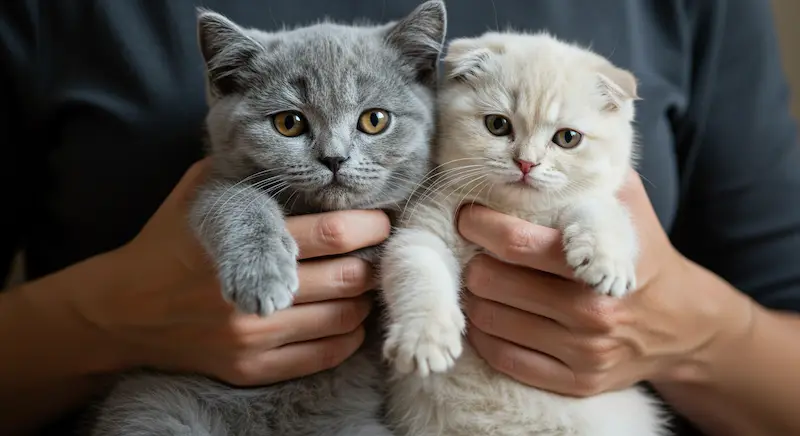
Scottish Straight vs British Shorthair: Clarifying the Overlap
Many cat owners encounter confusion when comparing British Shorthair vs Scottish Fold, particularly regarding the Scottish Straight. Breeders use Scottish Straights as the non-folded variant in Scottish Fold breeding programs. These cats share the Fold’s rounded face and plush coat but lack the folded-ear mutation, which makes them visually similar to British Shorthairs.
However, clear differences separate the two breeds. Scottish Straights typically show a longer body structure and more expressive eyes. In contrast, British Shorthairs display a stockier build, heavier bone structure, and shorter legs. Because crossbreeding can blur visual distinctions, breeders rely on DNA testing to confirm lineage and prevent misclassification.
In responsible breeding programs, breeders pair Scottish Straights with Scottish Folds to reduce the genetic risk associated with folded ears. Despite this role, cat registries classify Scottish Straights separately in shows and breeding records. For owners who admire the Fold’s appearance without accepting potential health concerns, the Scottish Straight offers an ethical alternative. Nevertheless, it does not fully replicate the British Shorthair’s naturally robust physique and traditional temperament.
Physical Characteristics: What Sets Them Apart in Appearance
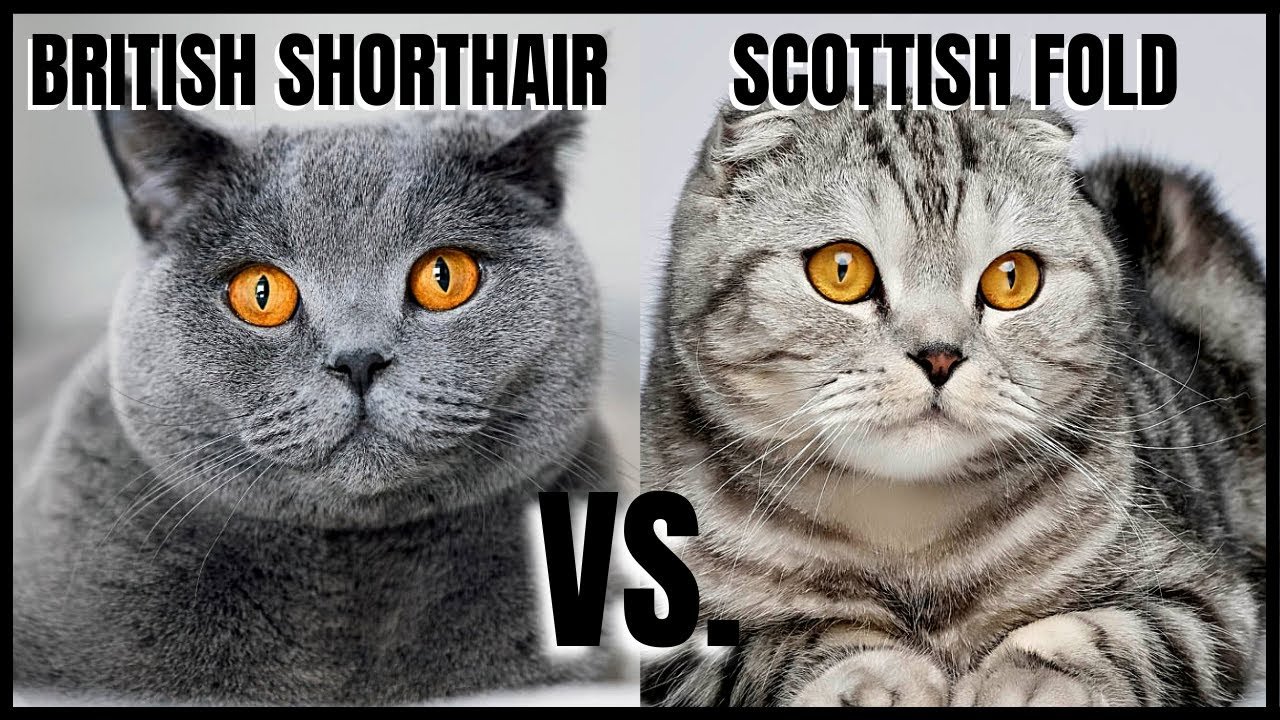
When comparing British Shorthair vs Scottish Fold, their physical traits provide immediate and recognizable differences. While both breeds share round faces and plush coats, their size, structure, and defining features set them apart. The table below summarizes the key distinctions:
| Trait | British Shorthair | Scottish Fold |
|---|---|---|
| Size & Weight | Medium-to-large; males 8–18 lbs, females 7–12 lbs | Smaller frame; 6–13 lbs |
| Body Structure | Dense, plush, weather-resistant; over 100 colors/patterns, including British Blue, tabbies, bicolors, cinnamons | Rounded but lighter frame; delicate bone structure |
| Head & Eyes | Round head, large copper or gold eyes; “Cheshire Cat” expression | Rounded head, wide-set owl-like eyes; “forever kitten” look |
| Ears | Straight ears | Soft, silky short or long coat; prone to tangling in long-haired variants |
| Coat | Dense, plush, weather-resistant; over 100 colors/patterns including British Blue, tabbies, bicolors, cinnamons | Blue dilution (dd) gene, tabby patterns from the agouti locus |
| Genetic Considerations | Folded ears (single, double, triple) develop by 3–4 weeks; ~50% straight-eared in litters | Fd gene (dominant, incomplete); fold gene affects cartilage and joint health |
| Grooming & Maintenance | Minimal; dense undercoat repels dirt and water | Moderate; longhaired variants require extra brushing to prevent mats |
| CFA / TICA Standards | High points for body type and head shape | Points are allocated to the ear fold and body; excessive folding can deduct points |
Summary of Differences
British Shorthairs emphasize strength, balance, and plush density, making them robust and low-maintenance. By contrast, Scottish Folds highlight softness, unique ear structure, and whimsical features, which may require additional care for health and grooming. These distinctions influence both lifestyle fit and long-term maintenance, helping potential owners decide which breed best suits their home.
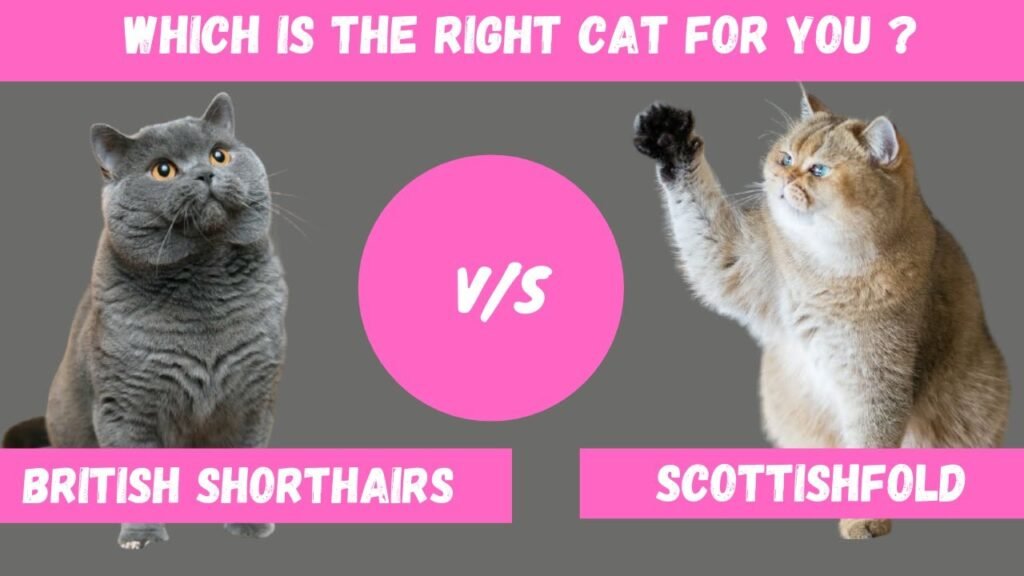
Temperament and Personality Traits: British Shorthair vs Scottish Fold
When choosing between British Shorthair vs Scottish Fold, temperament is a key factor. Both breeds have gentle natures, but their personalities cater to different lifestyles.
British Shorthair Personality
- Demonstrates quiet, dignified confidence; independent yet loyal
- Enjoys proximity without constant attention
- Often called “easygoing observers” who adapt well to children and other pets
- Low-to-moderate energy; short play sessions satisfy exercise needs
- Communicates through soft chirps and trills rather than loud meows
- Excels in apartments and busy homes, handling noise with calm
- Offers subtle companionship: watches toddlers from a perch, gives occasional headbutts
- Strengthens bonds through interactive play, like feather wand games
Scottish Fold Personality
- Combines playfulness with affectionate, tactile behavior
- Demonstrates demonstrative, people-oriented behavior
- Seeks laps for cuddling and often sits in the signature “Buddha pose”
- Gentle, curious explorers forming deep attachments to owners
- Adapts well to multi-pet households but prefers gentle playmates
- Sensitive to noise and sudden changes; benefits from quiet environments
- Responds positively to enrichment and safe spaces during household changes
- Provides therapeutic companionship for elderly or single-person households
Health Considerations and Lifespan: Prioritizing Welfare in Your Choice
Understanding health differences between British Shorthairs and Scottish Folds is essential for choosing the right breed and ensuring a long, healthy life. Recent veterinary research and breed-specific studies provide valuable guidance for informed owners.
British Shorthair Health and Lifespan
British Shorthairs are robust cats with an average lifespan of 12–20 years. Their strong genetics support long-term health, but some conditions require attention:
- Obesity: British Shorthairs enjoy food, and their sedentary habits can lead to weight gain, diabetes, and joint strain. Symptoms include lethargy, excessive thirst, and a rounded abdomen. Owners can prevent issues with portion-controlled diets, interactive feeders, and weekly weigh-ins.
- Hypertrophic Cardiomyopathy (HCM): Affecting 10–15% of the breed, HCM causes thickened heart muscles. Rapid breathing or fatigue warrants echocardiograms. A 2025 case study from Cornell Vet School showed beta-blocker treatments can extend life by 3–5 years.
- Polycystic Kidney Disease (PKD): Genetic testing and advanced profiling have reduced PKD incidence in tested lines to under 5%.
Preventive care: Annual veterinary checkups, weight monitoring, and DNA screening for breeders help maintain long-term health.
Scottish Fold Health and Lifespan
Scottish Folds face more challenges due to osteochondrodysplasia (OCD), a condition caused by the fold gene that affects all cartilage. This leads to arthritis, joint fusion, and mobility problems—even in heterozygous cats.
- Osteochondrodysplasia (OCD): Symptoms such as limping, stiff tails, and reluctance to jump appear as early as six months. UC Davis research (2023–2025) shows even mild cases involve pain, and TRPV4 gene variants contribute to progressive osteoarthritis.
- Ear Infections: Folded ears increase the risk of mites and infections. Weekly cleaning prevents complications.
- Heart Disease: Regular veterinary checkups and monitoring detect early signs.
Management and prevention: Owners can use anti-inflammatories, joint supplements like glucosamine, mobility aids, and, most importantly, select ethical breeders. Reputable breeders avoid homozygous Folds (fold x fold) to reduce severe health risks.
Owner Experiences and Practical Tips
Owners report a range of experiences:
- One Scottish Fold owner shared, “My Fold needed medication by age 2 for joint pain.”
- British Shorthair owners often praise their cats’ longevity and manageable health issues.
Additional recommendations:
- Regular monitoring, preventive care, and ethical breeding practices ensure a long and healthy life for your cat.
- Always choose health-tested parents to minimize genetic risks.
- Pet insurance, such as Embrace or Trupanion, can cover 80–90% of treatments, with premiums ranging from $25–45 per month.
Grooming, Care, and Daily Needs: Maintaining Their Well-Being
Both breeds have straightforward care routines, but details vary in the Scottish Fold vs British Shorthair temperament and physical context.
British Shorthairs need weekly brushing with a rubber curry comb to remove loose fur and distribute oils, especially during seasonal sheds in spring and fall. Step-by-step: Dampen the coat lightly, brush against the grain, then smooth. Nail trims every 2–3 weeks prevent scratches—use guillotine clippers and styptic powder for safety. Dental care via enzyme pastes like Virbac combats plaque; brush 3x/week. For life stages, kittens require daily sessions to build habits, while seniors benefit from gentler tools to avoid stress.
Scottish Folds require similar grooming, but longhaired types need daily combing with wide-tooth combs to avoid mats. Ear cleaning is vital—step-by-step: Dip cotton in vet-approved solutions like Epi-Otic, gently wipe folds, avoid deep insertion. For joint health, provide soft bedding, ramps, and low-impact toys. Both benefit from puzzle feeders to stimulate minds and control weight.
Daily needs include fresh water via fountains to encourage hydration, litter box maintenance (unscented clumping litter preferred, scooped daily), and environmental enrichment like window perches for bird-watching. Product recommendations: FURminator for shedding control in Shorthairs; heated orthopedic beds for Folds’ joints.
Diet and Nutrition: Fueling Their Unique Needs
Nutrition plays a starring role in the British Shorthair vs Scottish Fold for families’ decision, as diet impacts health and energy.
British Shorthairs require a balanced, high-protein diet (30–40% protein) to maintain muscle without excess calories—aim for 250–350 kcal/day for adults to prevent obesity. Wet food aids hydration, while dry kibble supports dental health. Supplements like omega-3s promote coat shine; avoid fillers like corn. Common allergens include poultry—switch to novel proteins like rabbit if itching occurs.
Sample meal plan for an adult British Shorthair: Breakfast: 1/4 cup high-protein kibble (e.g., Royal Canin British Shorthair formula); Dinner: 3oz wet food (e.g., Wellness Core); Treats: Limited to 10kcal/day.
Scottish Folds benefit from joint-supportive formulas with glucosamine and chondroitin (500mg daily recommended), high in lean proteins but low-carb to manage weight amid mobility issues. Portion control is key—200–300 kcal/day—with anti-inflammatory ingredients like turmeric. Kittens of both need growth formulas until 1 year; seniors require senior blends with reduced calories.
Sample plan for Scottish Fold: Breakfast: 1/4 cup joint-health kibble (e.g., Hill’s Prescription j/d); Dinner: 2.5oz wet with added supplements. Allergens like grains can cause digestive upset—test with elimination diets.
| Age/Stage | British Shorthair Calories | Scottish Fold Calories | Key Nutrients |
|---|---|---|---|
| Kitten (0-12 months) | 300-400 kcal | 250-350 kcal | High protein, DHA for brain |
| Adult (1-7 years) | 250-350 kcal | 200-300 kcal | Protein, glucosamine for Folds |
| Senior (7+ years) | 200-300 kcal | 180-250 kcal | Antioxidants, reduced fat |
Feeding schedule: Adult cats do best with twice-daily meals, while kittens may be free-fed to support healthy growth. Always consult your veterinarian about food sensitivities or allergies, as these can occur in both breeds.
Training, Intelligence, and Exercise Needs: Keeping Them Engaged
Intelligence ranks high in both, but training approaches differ in the British Shorthair vs Scottish Fold price and care equation.
British Shorthairs are smart but independent, responding well to positive reinforcement for litter training or tricks like fetch. A 2023 study ranked them mid-tier in puzzle tests, solving food-motivated challenges in 2–3 minutes. Clicker training protocol: Mark behavior with a click, reward with treats—ideal for recall. Exercise needs: 15–20 minutes daily via laser pointers or wand toys to combat laziness; challenges like stubbornness are resolved with patience.
Scottish Folds are eager learners, often mastering commands faster due to their people-pleasing nature. They also rank mid-tier but excel in social tasks. Specific exercises: Feather play for 10–15 minutes, avoiding jumps to protect joints. Issues like pain resistance are addressed with soft toys and short sessions.
Both enjoy interactive apps or adapted agility courses; tools like Treat & Train dispensers enhance engagement.
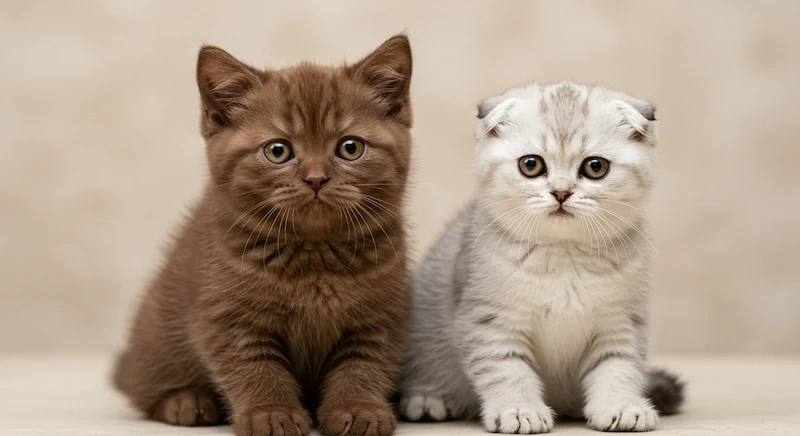
British Shorthair vs Scottish Fold: Family Suitability and Lifestyle Fit
For families, the British Shorthair excels in chaotic homes with kids or dogs, thanks to their tolerance and sturdiness. They’re content alone, suiting working owners. Scenario: In a bustling family, they assert gentle dominance with dogs, enjoying supervised play.
Scottish Folds thrive in calmer settings with consistent affection, bonding well with gentle children but needing supervision around rough play. Apartment dwellers favor both for quietness. With other pets: Folds befriend cats easily but may shy from energetic dogs; compatibility is high if introductions are gradual.
For allergies: Both produce dander, debunking hypoallergenic myths—levels similar, managed with HEPA filters.
| Aspect | British Shorthair | Scottish Fold |
|---|---|---|
| Size | 8–18 lbs | 6–13 lbs |
| Lifespan | 12–20 years | 11–15 years |
| Energy Level | Low-moderate | Low |
| Affection | Independent, proximity-based | Lap-loving, demonstrative |
| Health Risks | Obesity, HCM | OCD, arthritis |
| Grooming | Weekly brush | Weekly (daily for longhair) |
| Family Fit | Busy households | Calm, attentive homes |
Pros and Cons of British Shorthair vs Scottish Fold
British Shorthair Pros: Long lifespan and robust health (owners report 90% fewer vet visits per Reddit surveys); low-maintenance temperament allowing for independent living; adaptable to various environments, from apartments to farms; minimal shedding with proper care, ideal for tidy homes.
British Shorthair Cons: Prone to weight gain if not exercised, leading to 20% higher diabetes risk; less overtly affectionate, which may disappoint cuddle-seekers; can be aloof with strangers, requiring socialization.
Scottish Fold Pros: Highly cuddly and social, with 80% of owners noting deep bonds; unique, endearing appearance that charms visitors; gentle with family members, excelling as therapy cats; good for apartment living due to quiet nature.
Scottish Fold Cons: Genetic health issues leading to pain and shorter lifespan; higher veterinary costs (30% more annually); ethical breeding concerns prompting adoption over purchase; sensitivity to noise, limiting suitability for loud homes.
British Shorthair vs Scottish Fold Cost Comparison (2026)
In 2026, British Shorthair and Scottish Fold ownership costs differ mainly due to health care needs and breeder availability.
British Shorthair Costs
- Breeder price: $900–$2,500
- Rare colors: $2000+
- Adoption: $50–$300
- First-year expenses: ~$1,000
- Annual upkeep: $300–$600
- Cost profile: Predictable, moderate long-term expenses
Scottish Fold Costs
- Breeder price: $700–$3,000
- Adoption: $35–$500 (limited availability)
- Annual upkeep: $500–$1,000+
- Health costs: Joint and pain medication often exceed $100/month
- Cost profile: Higher lifetime veterinary expenses
Regional Pricing
- Europe: Up to 20% higher due to breeding restrictions
- United States: Lower due to more breeder options
Cost-Saving Tip
Pet insurance costs $20–$50 per month and helps offset unexpected veterinary bills.
Frequently Asked Questions: British Shorthair vs Scottish Fold
1. Are Scottish Folds healthier than British Shorthairs?
No. Scottish Folds often develop osteochondrodysplasia, a genetic joint disorder that can reduce lifespan to 11–15 years. British Shorthairs typically live 12–20 years and are less prone to inherited health issues with proper care.
2. Which breed is better for first-time owners?
British Shorthairs suit first-time owners best. They tolerate independence, adapt easily, and need minimal grooming. Scottish Folds require closer health monitoring and more attention.
3. What is the average cost difference between British Shorthair and Scottish Fold?
British Shorthair kittens cost $900–$2,500, with annual expenses ranging from $300 to $600. Scottish Folds range from $700–$3,000 and often require $500–$1,000+ per year due to health care needs.
4. Which breed is more affectionate?
Scottish Folds are generally more affectionate, seeking cuddles and close contact. British Shorthairs prefer nearby companionship rather than constant physical attention.
5. Are British Shorthairs or Scottish Folds hypoallergenic?
No. Neither breed is hypoallergenic. Both produce dander and saliva proteins that can trigger allergies. Grooming, air purifiers, and testing exposure before adoption help reduce reactions.
Final Thoughts: British Shorthair vs. Scottish Fold — Which Breed Is Right for You?
Ultimately, the choice between a British Shorthair and a Scottish Fold comes down to your lifestyle, expectations, and priorities.
If you value strong overall health, low maintenance, and a more independent personality, the British Shorthair is an excellent choice.
If you’re looking for a highly affectionate, cuddly companion with a unique appearance—and you’re prepared to manage potential health concerns—the Scottish Fold may be the right fit, provided you choose a responsible and ethical breeder.
No matter which breed you prefer, always consider adoption when possible, consult a veterinarian for breed-specific care guidance, and provide proper enrichment to help your cat live a happy, healthy life.
Explore available kittens here to find your perfect companion today.
