

If you are searching for a chocolate British Shorthair for sale, you are likely drawn to a breed celebrated for its plush, teddy-bear appearance and rich, warm coat color. With over a decade of hands-on experience in feline breeding and veterinary consulting, I have seen firsthand how chocolate British Shorthairs grow into affectionate, well-balanced companions when sourced responsibly.
This in-depth guide covers everything you need to know about chocolate British Shorthair cats—from their history and distinctive traits to choosing ethical breeders, understanding current market prices, and providing lifelong care. Backed by insights from TICA-certified breeders, veterinary professionals, and real owner experiences, this article goes beyond basic listings to help you make an informed and confident buying decision.
The Allure of the Chocolate British Shorthair: What Makes This Color So Special?
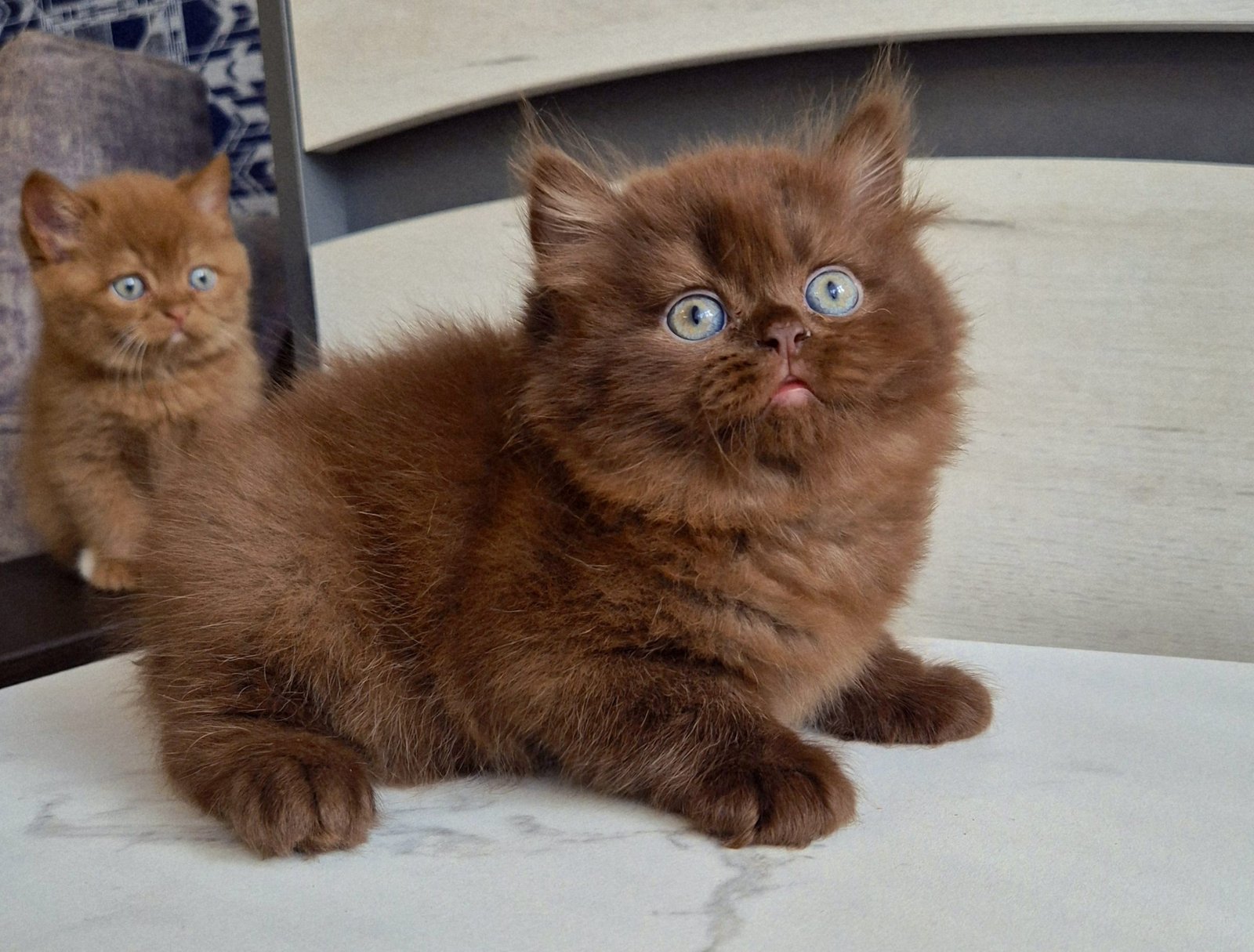
The chocolate British Shorthair draws attention with its rich brown coat that appears smooth, warm, and evenly pigmented. Major cat registries, including TICA and the Cat Fanciers’ Association (CFA), officially recognize this color, which remains far less common than blue or silver varieties. As a result, many enthusiasts seek this shade for its distinctive appearance and refined elegance.
Unlike more widespread colors, the chocolate coat develops only through specific genetics. The color relies on a recessive brown (“b”) gene, which requires both parents to carry it. Because breeders must plan pairings carefully and avoid dilution genes that soften the pigment, producing consistent chocolate kittens demands long-term breeding strategies. Consequently, only about 5–10% of British Shorthair litters display true solid chocolate coats.
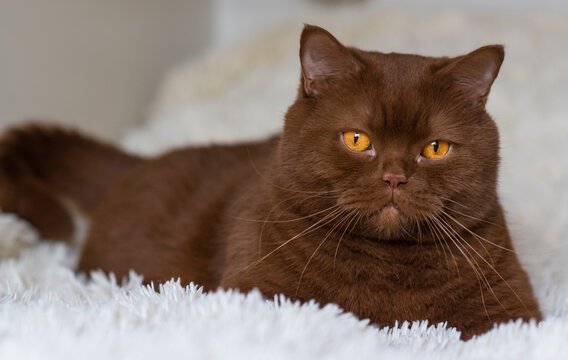
Moreover, this coloration enhances the breed’s signature features. Most chocolate British Shorthairs have gold or copper eyes, brown nose leather, and warm-toned paw pads, which create a balanced and expressive look. Their dense, plush fur deepens the coat’s richness and sets it apart from cooler shades such as blue or lilac.
Historically refined in Victorian England from Roman working cats, British Shorthairs developed into durable, calm companions with enduring appeal. Therefore, selecting a chocolate-colored example reflects an appreciation for thoughtful breeding, genetic precision, and one of the breed’s rarest natural expressions.
History and Evolution of the British Shorthair Breed
Understanding the history of the British Shorthair provides essential context for appreciating rare coat colors, including chocolate. Originally, sturdy street and working cats in Britain formed the foundation of the breed due to their strength and adaptability. In the late 19th century, Harrison Weir, widely recognized as the father of the cat fancy, established formal breed standards by promoting the British Shorthair’s solid build and calm temperament at organized cat exhibitions.
Following the population decline during the World Wars, breeders rebuilt the British Shorthair through carefully managed Persian outcrosses. However, the Governing Council of the Cat Fancy (GCCF) enforced strict guidelines to preserve the breed’s traditional working-cat structure. As a result, breeders balanced refinement with durability, shaping the modern British Shorthair.
Meanwhile, European catteries advanced selective breeding programs that introduced and stabilized solid colors, including chocolate. By the mid-20th century, breeders expanded the breed into North America, where early imports emphasized genetic diversity and less common color variations. Consequently, international registries began recognizing chocolate as a distinct and desirable color within the breed.
Today, organizations such as The International Cat Association (TICA) and the Cat Fanciers’ Association (CFA) require ethical breeding practices, including routine health screening for inherited conditions like hypertrophic cardiomyopathy (HCM). Therefore, modern breeding programs reflect a commitment to long-term health, genetic consistency, and breed integrity.
The timeline below highlights key milestones in the British Shorthair’s development:
| Period | Milestone |
|---|---|
| Ancient Rome | Ancestors arrive in Britain as skilled mousers |
| 1870s | Harrison Weir formalizes the breed |
| World War II | Breeders revive the population after decline |
| 1970s–1980s | Registries recognize chocolate and rare colors |
| Present Day | Breeders prioritize health testing and genetics |
This progression shows how the chocolate British Shorthair represents a blend of historical heritage and modern breeding excellence.
Physical Characteristics and Personality Traits
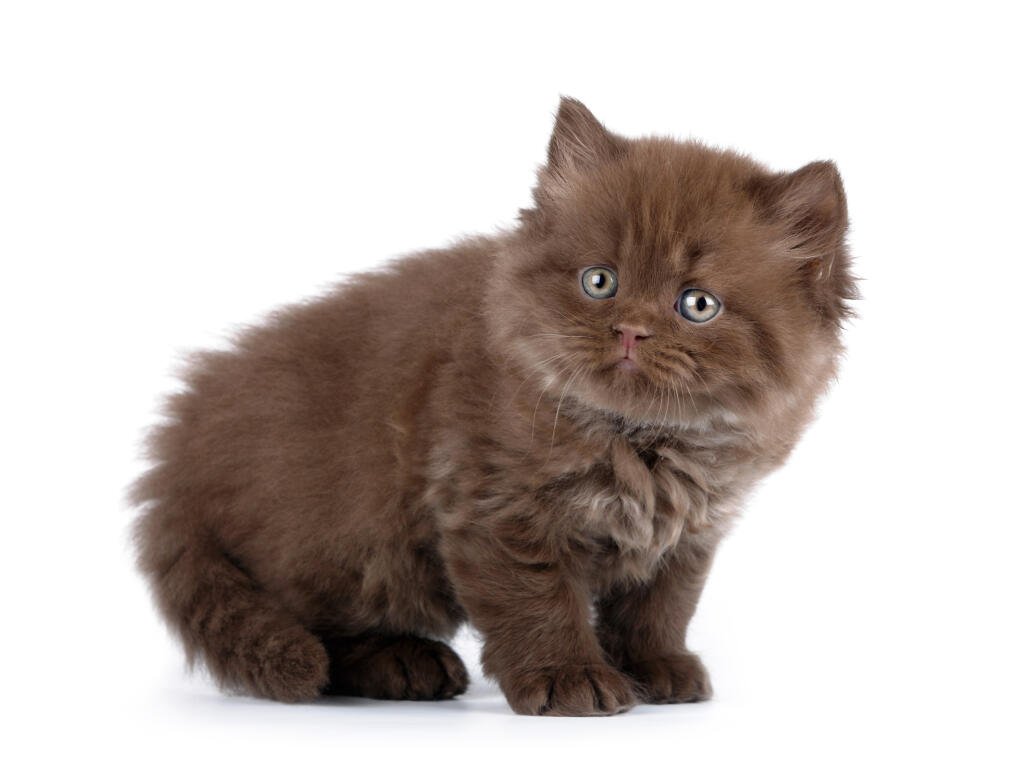
The chocolate British Shorthair displays the classic cobby body type, featuring a broad chest, short muscular legs, and a round head with full cheeks. Adult cats typically weigh between 9 and 17 pounds, with males larger than females. Their short, dense coat feels plush and requires minimal grooming, which makes the breed practical for busy households.
Breeders aim for a solid chocolate coat without white patches or tabby markings in show-quality cats, while pet-quality cats may show minor variations. This uniform coloration enhances the breed’s compact build and reinforces its distinctive appearance.
In terms of personality, British Shorthairs offer calm companionship without excessive demand for attention. They enjoy affection but avoid clingy behavior, and they engage in moderate play without hyperactivity. As a result, they adapt well to apartments, families with children, and multi-pet homes. Their patient and tolerant nature supports both structured and relaxed environments.
Moreover, British Shorthairs communicate quietly through soft chirps and steady purring rather than loud vocalization. They tolerate time alone during workdays, yet they respond positively to consistent interaction. Therefore, experienced owners value their independence, while first-time owners appreciate their easygoing and trainable temperament.
The comparison below outlines typical differences between male and female cats:
| Trait | Males | Females |
|---|---|---|
| Size | Larger (12–17 lbs) | Smaller (9–12 lbs) |
| Affection | More laid-back | Slightly more reserved |
| Playfulness | Short activity bursts | Prefers interactive toys |
Overall, these cats enjoy toys such as feathers or wand teasers but tire quickly, which suits calm households better than high-energy lifestyles.
Comparison to Other British Shorthair Colors
Comparing British Shorthair coat colors helps clarify how each shade differs in appearance, maintenance, and rarity. The chocolate British Shorthair for sale features a rich, warm brown tone that appears deeper and more saturated than related colors. This depth gives the coat a velvet-like finish, especially when paired with amber or copper eyes.
Lilac represents the diluted form of chocolate and blends soft gray, pink, and blue tones into a pastel appearance. Breeders often describe it as a lighter, refined alternative with a cooler overall effect. In contrast, cinnamon displays a lighter reddish-brown shade with a subtle spicy warmth. This color appears far less frequently because it relies on a different recessive genetic combination.
The table below highlights the main advantages and limitations of these color variations:
| Color | Pros | Cons | Rarity |
|---|---|---|---|
| Chocolate | Warm, deep tone; enhances eye color | May fade without strong genetics | High |
| Lilac | Soft, elegant appearance; stable color | Light fur shows shedding more easily | Medium–High |
| Cinnamon | Distinct reddish hue; rare in shows | Difficult to produce consistently | Very High |
Overall, chocolate remains one of the most visually striking options due to its depth and warmth, while lilac and cinnamon appeal to those seeking softer or more unusual expressions of the breed.
Chocolate British Shorthair Health and Lifespan: Tips for a Long, Happy Life
British Shorthairs are known for their robust health and longevity, typically living 12–20 years, with indoor cats averaging around 15 years. Maintaining health requires awareness of both genetic and lifestyle-related risks, along with preventive care.
Common Genetic Conditions
- Hypertrophic cardiomyopathy (HCM): Affects about 10–15% of British Shorthairs. Regular echocardiograms and DNA testing (e.g., UC Davis) help detect it early.
- Polycystic kidney disease (PKD): Now rare (<1%) due to widespread genetic screening in reputable breeding programs.
Lifestyle-Related Health Considerations
- Obesity: Up to 20% of British Shorthairs become overweight, increasing the risk of diabetes and joint problems.
- Weight Management Recommendations:
- Feed 300–400 calories daily, split into two measured meals.
- Use AAFCO-approved, breed-specific diets (e.g., Hill’s Science Diet or Royal Canin for British Shorthairs).
- Encourage activity with interactive feeders and daily play sessions.
- Monitor weight weekly to prevent gradual gain.
Preventive Care Checklist
- Dental care: Brush with enzymatic toothpaste and schedule annual cleanings if needed.
- Vaccinations: Maintain core vaccines such as FVRCP and rabies.
- Parasite prevention: Use recommended flea and tick treatments.
- Spay/neuter: Reduces the risk of reproductive cancers by up to 90%.
- Senior health: Perform bloodwork every 1–2 years to monitor organ function.
By following these steps and choosing breeders who provide genetic testing and health guarantees, owners support the long-term health, comfort, and happiness of chocolate British Shorthairs.
Price Guide for Chocolate British Shorthair Kittens
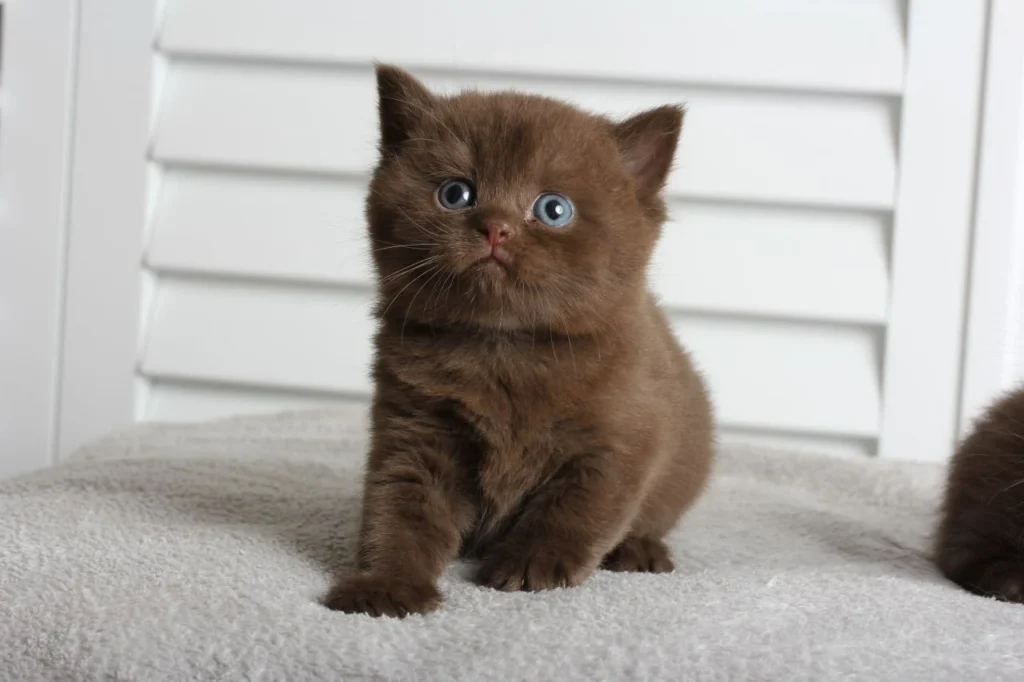
Understanding the cost of a chocolate British Shorthair kitten helps buyers plan responsibly. Prices vary based on pedigree, location, rarity, and health status. Whether the kitten is intended as a pet, breeding, or show-quality companion also influences the price.
| Category | Price Range |
|---|---|
| Pet-quality kittens | $2,000 – $3,500 |
| Show-quality or rare solids | $3,000 – $4,000+ |
| Rare chocolate variants | $500+ premium over standard blue |
| Adoption/rescue | $100 – $500 (limited availability) |
Key factors affecting price include:
- Pedigree: TICA-registered champion lines may add $500+.
- Location: Urban areas like California and New York typically cost more ($2,500–$3,500), while Midwest states often start at $2,000.
- Health & Testing: Fully vaccinated and DNA-screened kittens justify premium pricing.
- Age & Pattern: Younger kittens (3–4 months) or rare patterns, such as chocolate bicolor, can exceed $3,200.
- Seasonality: Prices may rise during peak seasons like spring and summer.
- Additional Costs: Microchipping, vaccinations, and spay/neuter procedures can add $200–$400.
- International Variation: Prices in Europe, Canada, or other countries may differ due to import costs and local demand.
Breeders registered with TICA and CFA confirm that chocolate British Shorthair kittens command higher premiums because of their rarity and genetics. Chocolate kittens often carry a $300–$500 premium over standard blue or lilac counterparts.
Adoption offers a lower-cost alternative, though chocolate kittens remain rare and limited in availability.
How to Find a Reputable Breeder for Chocolate British Shorthair Kittens
Finding a healthy chocolate British Shorthair kitten for sale requires patience, research, and careful evaluation. Since chocolate is a rare and sought-after color, identifying a responsible chocolate British Shorthair breeder ensures your kitten receives proper care and socialization from day one.
Start by confirming registration with recognized organizations such as TICA or CFA. These associations enforce ethical breeding standards and proper record-keeping. In the United States, reputable breeders of chocolate British Shorthairs typically limit their catteries to two or three litters per year. This approach guarantees that each kitten receives individual attention, early socialization, and high-quality care. Because chocolate is a recessive coat color, breeders often maintain a waitlist ranging from 6 to 18 months.
Next, focus on transparency. Ethical breeders openly share pedigree information, health testing results, and clearly defined breeding goals. Many strong chocolate lines trace back to European imports, which maintain genetic diversity while enhancing coat quality, structure, and overall health. Whenever possible, visit the breeder in person. A clean cattery, calm adult cats, and detailed medical records indicate a trustworthy chocolate British Shorthair breeding program.
Adoption vs. Buying: What to Consider
Adoption can be a meaningful option for families interested in a British Shorthair. Breed-specific rescue organizations sometimes have chocolate British Shorthairs, though they are usually adults rather than kittens. Adoption fees are generally lower, and rescued cats often come spayed, neutered, and microchipped. Since chocolate kittens are rare in rescues, working with a responsible breeder remains the most reliable way to find a kitten with known lineage and proper early care.
Breeding Ethics and Red Flags to Avoid
A responsible British Shorthair breeder follows strict health testing, genetic diversity, and pairing guidelines. They never prioritize quantity over quality or rush kitten placements. Watch for these red flags:
- Missing or incomplete health documentation
- Pressure to pay deposits immediately
- A large number of available kittens at once
- Unverified or unsafe shipping practices
A trustworthy breeder will always:
- Provide veterinary records and written health guarantees
- Encourage in-person visits and maintain open communication
- Offer lifetime support and guidance
Testimonials and Owner Stories
Owners often describe their chocolate British Shorthairs as quiet comforts woven into daily life. One owner shares:
“He follows me from room to room without demanding attention. When I finally sit down after a long day, he curls beside me and stays there, purring softly. That balance of independence and affection fits my lifestyle perfectly.”
Another owner recalls the emotional lift these cats bring:
“No matter how stressful my day feels, coming home to her changes everything. She greets me at the door, climbs into my lap, and rests her head against my chest. It feels like she understands when I need comfort.”
A long-time owner reflects on years of companionship:
“His coat is still the softest thing I’ve ever touched. Even now, he settles in for gentle brushing and purrs so quietly you almost miss it. Eighteen years later, he remains my calm presence and constant companion.”
Together, these real-life experiences show how chocolate British Shorthairs enrich homes with steady affection, emotional warmth, and lasting bonds.
Care and Maintenance Guide for Your New Chocolate British Shorthair
Caring for a chocolate British Shorthair involves consistent grooming, proper nutrition, regular exercise, and a stimulating environment. Follow these guidelines to ensure your cat thrives physically and mentally.
Grooming
- Brush weekly with a soft brush to remove loose fur and reduce shedding.
- Increase brushing during seasonal sheds to prevent hairballs.
- Bathe only occasionally; their short, dense coat naturally repels dirt.
- Trim nails regularly and introduce clipping early using treats for positive reinforcement.
Nutrition
- Feed age-appropriate diets:
- Kittens: calorie-dense food (400–500 kcal/day) for growth.
- Adults: balanced meals (~300 kcal/day) to maintain ideal weight.
- Sample feeding routine: morning Royal Canin kibble, evening Wellness Core wet food.
- Provide fresh water daily; consider hydration fountains to prevent urinary issues (affects ~5–10% of males).
- For seniors, supplement with joint-support products like glucosamine.
Exercise & Enrichment
- Encourage daily play with interactive toys like laser pointers or puzzle feeders.
- Provide scratching posts, cozy beds, and elevated perches for mental stimulation.
- Offer window views or catios to reduce stress and support natural curiosity.
- Regular play strengthens bonds and helps prevent behavioral issues.
Environment & Hygiene
- Scoop litter boxes daily using clumping litter for hygiene.
- Maintain a clean, safe, and calm home environment to reduce stress.
- Rotate toys and rearrange furniture periodically to keep your cat engaged.
Expert Tips
- Chocolate British Shorthairs respond positively to consistent routines and gentle training.
- Early enrichment and mental stimulation improve overall well-being and prevent boredom.
- Regular veterinary check-ups, combined with proper nutrition and exercise, promote long-term health.
Chocolate British Shorthair FAQs: Price, Care, Lifespan, and More
What is the average price of a chocolate British Shorthair kitten?
In 2026, chocolate British Shorthair kittens typically cost between $1,000 and $2,500, depending on pedigree, location, and health testing. Urban areas like California may exceed $3,000, while adoption or rescues can be more affordable.
Are chocolate British Shorthairs hypoallergenic?
No cat is completely hypoallergenic. However, chocolate British Shorthairs have a short, dense coat that produces less dander than longhaired breeds, making them better suited for mild allergy sufferers.
Where can I find chocolate British Shorthair kittens near me?
Check TICA directories, local breed-specific rescues, or trusted breeders. Always verify health records and visit the cattery if possible. You can also view our Available Kittens page to see chocolate British Shorthairs currently ready for adoption or upcoming litters.
Do chocolate British Shorthairs get along with dogs?
Yes, they generally bond well with dogs due to their tolerant and laid-back nature, especially when introduced gradually in multi-pet households.
What is the best diet for a chocolate British Shorthair?
High-protein, grain-free foods like Orijen or Royal Canin breed-specific formulas support their muscular build and help prevent obesity.
How rare is a chocolate British Shorthair?
Chocolate British Shorthairs are quite rare, occurring in only 5–10% of litters because of recessive genetics. Their rarity increases demand compared to more common colors like blue.
What is the lifespan of a chocolate British Shorthair?
With proper care, this breed lives 12–20 years. Routine veterinary checkups and a balanced diet help reduce the risk of hypertrophic cardiomyopathy (HCM).
How often should I groom a chocolate British Shorthair?
Weekly brushing keeps their dense coat healthy and minimizes shedding. During seasonal sheds, more frequent brushing may be beneficial.
Final Thoughts: Is a Chocolate British Shorthair Right for You?
Among many cat breeds, the chocolate British Shorthair stands out for its rich coat color, calm temperament, and affectionate companionship. From years of observing successful placements, these cats consistently adapt well to family life and form lasting bonds with their owners. Choosing an ethical breeder ensures proper health, socialization, and long-term well-being.
If you are ready to welcome one of these remarkable cats into your home, explore our Available Kittens page to view current and upcoming chocolate British Shorthair kittens raised with care and responsibility.
