
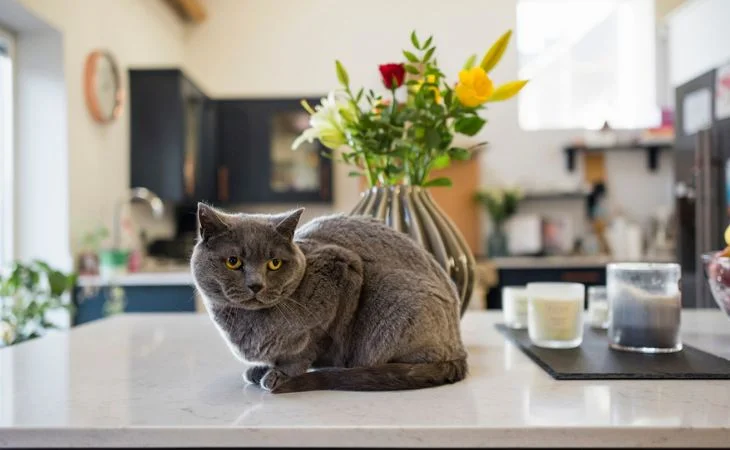
Imagine coming home to your apartment after a long day and finding a calm, plush British Shorthair in apartments curled up on the couch. Many city dwellers search for the best cats for small spaces, and this breed consistently stands out. They adapt well to smaller homes because they have a quiet temperament and a moderate activity level.
If you are wondering, “Are British Shorthairs good for apartments?” the answer is yes. Their low-energy nature and independent personality make them well-suited for urban living. In this guide, we explore British Shorthair apartment living, including key traits and practical tips to help you create a comfortable home for your cat.
Unraveling the Allure of the British Shorthair Breed
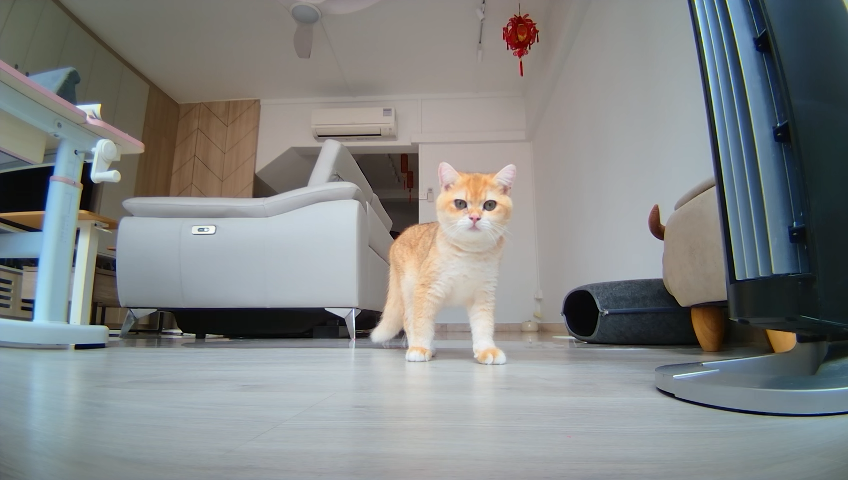
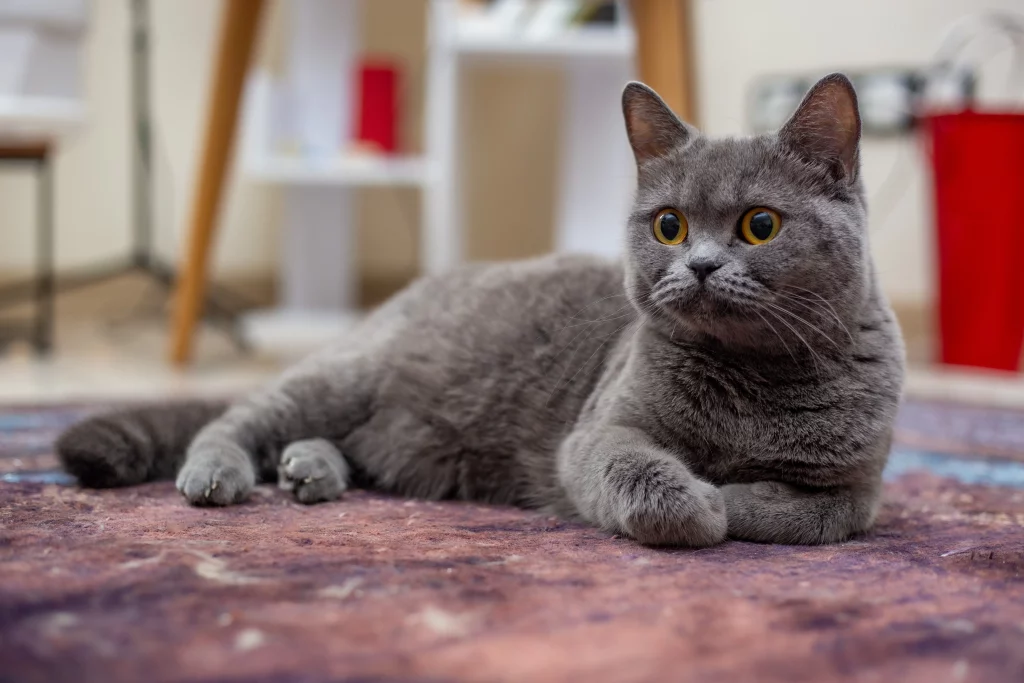
The British Shorthair, affectionately called the “Brit,” inspired the Cheshire Cat in Alice in Wonderland. Their ancestors arrived in Britain with the ancient Romans as expert mousers. Over centuries, particularly in the 19th century, British cat enthusiasts selectively bred them into the robust, charming companions we cherish today. Organizations such as The International Cat Association (TICA) and the Cat Fanciers’ Association (CFA) register them. British Shorthairs display a wide variety of colors and patterns beyond the classic blue-gray, including lilac, chocolate, cinnamon, fawn, tabby stripes, bi-colors, and tortoiseshell in females. Their dense, plush coat resembles velvet, and it demands far less maintenance than long-haired breeds.
Physically, these cats resemble compact powerhouses. Males usually weigh 9-17 pounds and stand 12-14 inches tall, whereas females range from 7-12 pounds. Their broad chests, strong legs, and round paws create a sturdy look, enhanced by iconic copper or gold eyes that convey ancient wisdom. In terms of temperament, British Shorthairs achieve perfect balance—they show affection without clinginess, engage in short playful bursts, and exhibit remarkable tolerance. Consequently, they rank among the best cat breeds for small apartments, as their independent nature allows self-entertainment during your absence.
Key Physical Traits:
- Coat: Short, dense, and water-resistant; over 100 color variations available.
- Build: Muscular and cobby (short and stocky), perfect for lounging in cozy areas.
- Eyes and Face: Large, round eyes in copper, blue, or odd-eyed for whites; broad, smiling “teddy bear-like” face.
Temperament Highlights:
- Laid-back and adaptable to routines.
- Sociable with family yet respectful of personal space.
- Low vocalization—ideal quiet cats for apartment living.
This combination of traits makes them not only beautiful but also highly practical for urbanites who desire low-maintenance cats for apartments.
Why British Shorthairs Excel in Apartment Environments
British Shorthairs lead the pack among apartment cats because they fit seamlessly into small spaces. Their low energy levels eliminate the need for large yards; instead, they flourish with vertical exploration, so even studio apartments under 500 square feet work well. Unlike hyperactive breeds, Brits satisfy themselves with just 15-20 minutes of daily play, which lowers the chance of disruptive zoomies that disturb neighbors or ruin decor.
Moreover, their quiet demeanor provides a major advantage—soft purrs and rare chirps avoid echoing through thin walls, directly solving issues for quiet cats in apartment living. British Shorthairs tolerate urban noises effectively, from sirens to door slams, due to their resilient character. For busy professionals, their independence proves outstanding; they handle 8-10 hours alone comfortably without developing anxiety, provided basic needs receive attention.
Furthermore, British Shorthair adaptability to urban living earns legendary status—they remain unfazed by elevators or high-rises and frequently transform window ledges into prime observation spots. Many owners observe that their Brits grow even more relaxed in confined settings, where consistent routines offer security. Therefore, for questions like “Is a British Shorthair suitable for studio apartments?” or “British Shorthair in small apartments,” the breed’s profile as one of the best cats for apartments confirms an excellent match.
Optimizing Your Apartment Setup for a British Shorthair
You can transform your apartment into a British Shorthair paradise with thoughtful, space-efficient choices. First, prioritize vertical space: install wall-mounted shelves, tall cat trees up to 6 feet, or hammocks to build “cat highways” without consuming floor area. For instance, place a perch by a window for bird-watching, which naturally activates their hunting instincts.
Additionally, litter solutions matter greatly in compact areas—select enclosed, top-entry boxes paired with odor-controlling litter such as clumping clay or silica gel to curb smells. Position them in ventilated locations like bathrooms or under sinks. Feeding stations benefit from elevated, wide bowls that fit their broad faces and avoid whisker fatigue. Incorporate smart technology: automatic feeders control portions to prevent overeating, while app-enabled cameras allow remote monitoring of play sessions.
Moreover, eco-friendly additions like bamboo scratching posts or recycled fleece beds complement modern apartments and attract sustainability-focused owners. Secure cables and pet-proof elements, such as fastening blinds, to avert mishaps. Ultimately, these arrangements enrich your Brit, converting even the tiniest space into a feline haven.
Grooming and Shedding Management Specific to Apartments
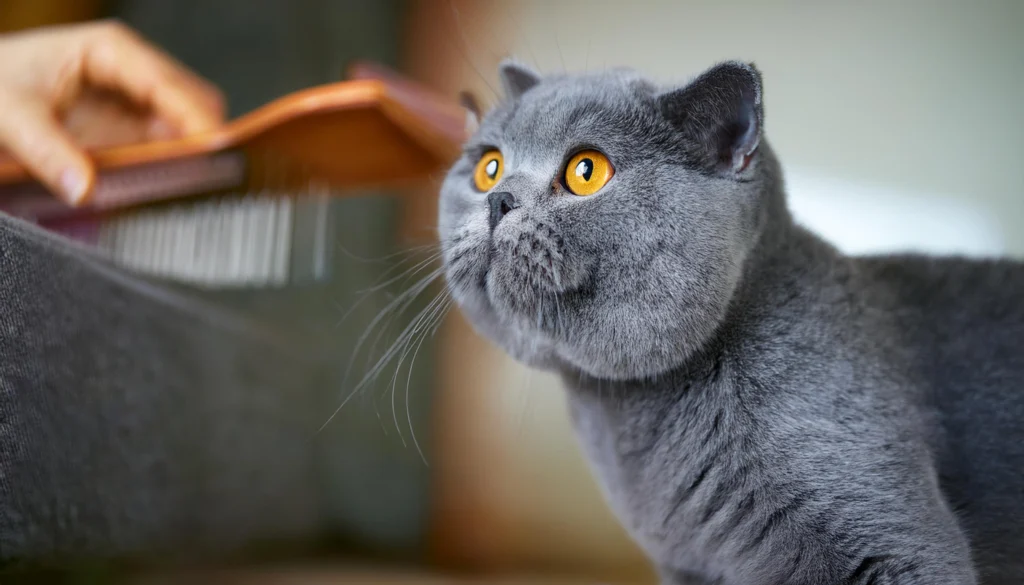
British Shorthairs possess dense coats that shed moderately throughout the year, with heavier periods in spring and fall. This shedding can challenge apartments where fur builds up rapidly on furniture and floors. However, weekly brushing with a rubber curry comb or grooming glove effectively removes loose hair, thereby minimizing hairballs and allergens—especially important for allergy-sensitive city residents.
In addition, equip your space with lint rollers, furniture covers, and HEPA-filter vacuums, including robot models for daily runs. Bathing occurs infrequently (every 3-6 months) unless necessary, using cat-safe shampoos to prevent skin issues. Apartment-specific tricks include entry doormats to capture dander and air purifiers for cleaner air. Overall, these methods masterfully manage shedding from British Shorthair in apartments, keeping your home tidy with minimal ongoing effort.
5 Apartment Hacks for Grooming:
- Employ sticky tape rollers for fast cleanups.
- Choose washable rugs instead of carpets.
- Brush outdoors on balconies when possible.
- Supplement diet with omega-3s for shinier coats.
- Arrange biannual professional grooming for thorough care.
Essential Care Routines for British Shorthairs in Urban Settings
Daily care for a British Shorthair in apartment centers on equilibrium. Grooming remains straightforward yet vital. Diet requires careful management—these stocky cats easily gain weight, so provide high-protein, grain-free kibble or wet food in measured portions (roughly 200-300 calories daily for adults). Puzzle feeders slow consumption and boost mental engagement.
Furthermore, hydration plays a critical role; water fountains stimulate drinking and ward off urinary problems typical in indoor cats. In warm apartments, check for dehydration via skin-tent tests. Trim nails every 2-4 weeks to protect furniture, and maintain dental health with enzyme toothpastes or chews against plaque buildup.
For novice owners, British Shorthair care tips for apartments emphasize early routine establishment—regular feeding schedules foster trust and minimize stress.
Exercise and Enrichment Ideas for Confined Spaces
Although low-energy, British Shorthairs require stimulation to remain healthy in apartments. Schedule two 10-minute play sessions daily: laser pointers simulate prey, while feather wands prompt leaping. Puzzle toys loaded with treats encourage cognitive challenges, making them the best toys for British Shorthair in urban living.
Additionally, vertical features like climbing walls or tunnels optimize limited space. Rotate toys weekly to combat boredom—simple cardboard boxes or paper bags deliver inexpensive excitement. Window bird feeders offer passive viewing pleasure. In restricted setups, harness training enables secure balcony excursions, elevating their well-being without escape risks.
Addressing Health Needs of Apartment-Bound British Shorthairs
British Shorthairs generally enjoy robust health and live 12-20 years, yet apartment confinement heightens specific vulnerabilities. Hypertrophic cardiomyopathy (HCM) impacts 10-15% of the breed, thickening heart walls and showing through lethargy, rapid breathing, or fainting. Annual or biennial echocardiograms catch it early. Polycystic kidney disease (PKD) affects 36-49% genetically, forming cysts; responsible breeders use DNA testing to avoid transmission.
Other concerns include hemophilia B (rare bleeding issue), cataracts (cloudy eyes in 5-10%), and brachycephalic-linked breathing difficulties like snoring or conjunctivitis. Inactivity-driven obesity strikes 20-30%, increasing diabetes odds. In apartments, subpar air quality worsens respiratory problems—HEPA filters help. Annual vet expenses typically run $200-500; pet insurance mitigates costs.
Common Health Issues Table:
| Issue | Symptoms | Prevention | Treatment Cost Estimate |
|---|---|---|---|
| HCM | Lethargy, panting | Genetic screening, weight control | $500-2,000 (meds/surgery) |
| PKD | Increased thirst, weight loss | DNA tests | $300-1,000 (monitoring) |
| Obesity | Reduced activity, round belly | Diet/exercise | $100-300 (vet visits) |
| Cataracts | Cloudy eyes | Regular eye checks | $1,500-3,000 (surgery) |
| Hemophilia B | Excessive bleeding | Blood tests | $200-500 (transfusions) |
For British Shorthair health issues in small apartments, prioritize preventive measures to counteract confined-space challenges.
Understanding Behavior and Effective Training for Brits in Apartments
British Shorthairs display balanced personalities that thrive in apartments—they socialize without demanding constant attention and often trail owners room-to-room peacefully. Typical behaviors feature “biscuit-making” (kneading) for contentment and high perching for safety. Nevertheless, boredom may trigger scratching; counter it with sisal posts and citrus deterrents.
Moreover, positive reinforcement drives training: clickers and treats quickly teach commands like “sit” or reinforce litter use. For apartment challenges, gradually desensitize them to noises. Kittens learn swiftly, though adults adapt too. Combat issues like excessive grooming (a stress indicator) with pheromone diffusers. For training British Shorthair kittens in apartments, initiate brief, reward-focused sessions to build assurance around city sounds.
British Shorthairs in Multi-Pet or Family Apartments: Compatibility and Tips
British Shorthairs adapt versatilely to shared environments. With children, their patience excels—gentle interactions teach respect, though supervision prevents rough handling like tail-pulling. In family settings, they form strong bonds and often serve as calm “nanny cats.”
For multi-pet households, British Shorthair with other pets in apartments succeeds; they get along with dogs after gradual introductions via scent exchange. With fellow cats, pairs or siblings reduce isolation. Provide separate feeding zones and ample perches to maintain peace. Their reserve with strangers fits communal buildings, but early socialization promotes harmony.
Navigating Apartment Rules: Pet Policies and British Shorthairs
Many apartments enforce pet rules—verify breed restrictions (uncommon for Brits) or weight caps. Deposits typically fall between $200-500, with monthly fees of $25-50. Noise rules favor quiet breeds like this one. To meet requirements, secure emotional support animal (ESA) documentation if applicable, as some owners have successfully done. Submit vet records and references to landlords. In condos, HOA guidelines may mandate leashing in shared areas.
Weighing the Pros and Cons of a British Shorthair in Your Apartment
| **Aspect | Pros | Cons ** |
|---|---|---|
| Space Requirements | Thrives in small areas with vertical options | May turn lethargic without stimulation |
| Temperament | Calm, affectionate, independent | Can appear aloof with strangers |
| Maintenance | Low grooming demands | Prone to weight gain in low-activity settings |
| Noise Level | Quiet and unobtrusive | Occasional play bursts might displace items |
| Adaptability | Handles urban noises effectively | Sensitive to drastic routine shifts |
| Family Fit | Tolerant with kids and pets | Requires slow introductions |
These factors underscore why experts rank them highly among apartment-friendly cat breeds.
Insights from Real Apartment Owners with British Shorthairs
Real-life experiences from apartment owners consistently show why the British Shorthair adapts exceptionally well to urban living. Many owners highlight the breed’s calm personality, affectionate behavior, and ability to thrive in smaller spaces. These firsthand testimonials provide valuable insight for anyone considering a British Shorthair for apartment life.
Apartment residents often describe their British Shorthair as a loyal companion that enjoys staying close without becoming overly demanding. One owner shared that their cat follows them from room to room while remaining relaxed and quiet throughout the day. Similarly, other owners report that British Shorthairs welcome visitors calmly and adjust easily to busy city environments. Because of their balanced temperament, they fit naturally into flats where space and noise levels require adaptable pets.
Families and multi-cat households also report positive experiences. Owners note that British Shorthairs remain gentle with children and coexist peacefully with other cats, even in limited living areas. Additionally, emotional support animal (ESA) owners frequently praise their soothing presence and predictable behavior. Overall, real apartment owner experiences strongly confirm that the British Shorthair is an excellent choice for apartment living due to its calm nature, affectionate personality, and adaptability.
British Shorthair Price, Adoption, and Breeders Guide for Apartment Living
Adopting a British Shorthair is an excellent option for apartment owners seeking a calm and adaptable companion. Animal shelters and breed rescues sometimes offer adult British Shorthairs for $50–$400, often including spay or neuter surgery, vaccinations, and microchipping. Although purebred cats appear less frequently, platforms like Petfinder can help locate available British Shorthair cats near you.
If you prefer a kitten, reputable British Shorthair breeders typically charge $1,500–$3,000. Responsible breeders provide pedigrees, early socialization, and health screenings. Look for breeders registered with TICA who test breeding cats for genetic conditions such as hypertrophic cardiomyopathy (HCM) and polycystic kidney disease (PKD).
When considering the total British Shorthair cost, apartment owners should budget carefully:
- Initial setup: $200–$500 (litter box, scratching posts, bedding, toys)
- Annual care: $500–$1,000 for food, grooming, and veterinary visits
Adoption offers an ethical and affordable path, while breeders provide predictable lineage and early health history. Choosing the right option depends on your budget, lifestyle, and long-term expectations as a British Shorthair owner.
British Shorthair vs Other Apartment Cats: Which Breed Fits Apartment Living Best?
Choosing the right cat for apartment living depends on energy level, noise, grooming needs, and temperament. The British Shorthair consistently ranks among the best apartment cats because of its calm personality and independent nature. Compared with more active breeds, British Shorthairs adapt easily to smaller spaces and quieter routines.
British Shorthairs outperform many breeds in apartment environments due to their relaxed temperament. Compared to the Russian Blue, they share low-noise behavior but feature a plusher coat and often show more visible affection toward owners. In contrast, Scottish Folds display similar calmness but may face additional joint health concerns. Although Exotic Shorthairs resemble British Shorthairs physically, they tend to require more grooming and show slightly higher activity levels. Meanwhile, energetic breeds such as the Abyssinian and Siamese demand more stimulation and vocal interaction, which may challenge apartment living.
Apartment Cat Breed Comparison
| Breed | Energy Level | Noise | Shedding | Apartment Fit Score (1–10) |
|---|---|---|---|---|
| British Shorthair | Low | Low | Moderate | 9 |
| Russian Blue | Medium | Low | Low | 8 |
| Scottish Fold | Low | Low | Moderate | 7 |
| Exotic Shorthair | Low | Low | High | 8 |
| Abyssinian | High | Medium | Low | 6 |
| Siamese | High | High | Low | 5 |
Overall, the British Shorthair stands out as one of the most balanced apartment-friendly breeds. Their quiet nature, moderate activity level, and adaptability make them ideal companions for smaller homes and urban lifestyles.
Frequently Asked Questions About British Shorthair Cats in Apartments
Can British Shorthair cats live happily in small apartments?
Yes. British Shorthair cats adapt very well to apartment living because of their calm temperament and moderate activity level. With toys and vertical climbing spaces, they thrive even in homes around 300 sq ft.
What are the best toys for British Shorthair cats in apartments?
Puzzle toys, feather wands, and laser toys encourage short bursts of play that match the breed’s relaxed energy level and help prevent boredom indoors.
How do you manage British Shorthair shedding in an apartment?
Brush your British Shorthair weekly, vacuum regularly, and use an air purifier to control loose fur and maintain clean indoor air.
Is adopting a British Shorthair kitten better for apartment training?
Kittens learn routines quickly, but adult British Shorthair cats also adapt well to apartment environments when given consistency and patience.
What care tips help first-time British Shorthair apartment owners?
Maintain a predictable feeding schedule, provide daily interactive play, and schedule routine veterinary visits to support long-term health.
Do British Shorthair cats get along with dogs in apartments?
Yes, many British Shorthairs coexist peacefully with dogs when introductions are gradual and supervised.
Are British Shorthair cats good for apartments with children?
Yes. Their patient and tolerant personalities make them suitable for families, though children should always interact gently under supervision.
What is the cost difference between adopting and buying a British Shorthair?
Adoption typically costs $50–$400, while purchasing from a reputable breeder often starts around $1,500, depending on pedigree and location.
Do British Shorthair cats need a lot of space?
No. They prefer comfortable resting areas and vertical climbing options rather than large floor spaces, making them ideal indoor apartment cats.
Why British Shorthair Cats Thrive in Apartments
In conclusion, British Shorthair cats bring calm companionship and quiet charm to apartment living. Their relaxed temperament, adaptability, and low-maintenance care needs make them ideal pets for urban homes and smaller spaces. With proper enrichment, consistent routines, and thoughtful preparation, owners can build a rewarding and long-lasting bond with this affectionate indoor breed. Choosing a British Shorthair means welcoming a loyal companion perfectly suited to modern city lifestyles.
Ready to welcome one into your home? Explore our available British Shorthair kittens and find the perfect companion for your apartment lifestyle today.
