

Imagine a cat that combines the purity of a snowflake with the sturdy, teddy-bear charm of a classic British icon—that is the white British Shorthair Cat. Known for their plush coats, round faces, and calm demeanor, these cats have grown increasingly popular in 2026, particularly among urban owners who seek low-maintenance yet affectionate companions. Whether you are curious about solid white British Shorthairs or intrigued by the striking beauty of those with blue or odd eyes, this guide explores everything from their historic origins to modern care essentials. We also cover relevant topics such as “pure white British Shorthair,” “deafness in white British Shorthair cats,” and “white British Shorthair cat price” to provide a comprehensive, unique resource.
As one of the United Kingdom’s most registered breeds, British Shorthairs make up nearly half of GCCF-registered kittens annually. Although the white variant remains moderately rare, it enjoys full recognition by major cat associations, including CFA, TICA, and GCCF. In the United States, British Shorthairs rank sixth in popularity, while the white variety gains attention through viral social media trends on TikTok and Instagram. Odd-eyed white British Shorthairs, in particular, captivate audiences with their mystical appearance and photogenic charm.
Moreover, enthusiasts frequently share stories that showcase the breed’s personality, resilience, and affectionate nature. These cats are more than just visually striking; they combine adaptability with loyalty, making them ideal companions for families and individuals alike. By understanding their unique traits, potential owners can appreciate why white British Shorthairs are not only a trend but also a culturally and historically significant breed.
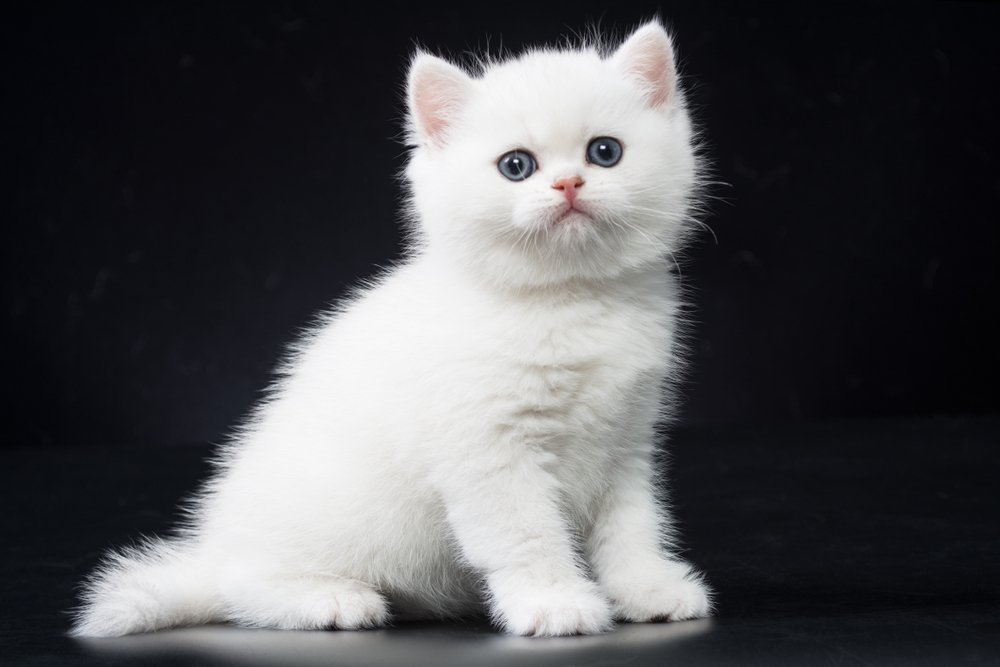
History and Origins of the White British Shorthair Cats
The white British Shorthair cat traces its lineage back over 2,000 years, when early cats arrived in Britain and interbred with local European wildcats. These robust felines adapted to the island’s harsh climate and served farmers and sailors as skilled mousers on farms and ships. In the 19th century, organized breeding gained momentum, especially after Harrison Weir held the first London cat show in 1871, showcasing the breed’s potential.
Initially, the “British Blue” dominated cat shows, but breeders gradually introduced white coats through careful crossings, emphasizing purity and minimizing yellowing. By the early 20th century, long-haired breeds like Persians briefly overshadowed them, and World War I nearly caused their extinction. Post-war efforts included crosses with Persians, Russian Blues, Burmese, and Chartreux, enhancing genetic diversity and firmly establishing the white coat as a recognized variety.
The breed reached the United States in the 1960s, with CFA granting full recognition by the late 1970s. White British Shorthairs remained rarer than blues until the 1980s, when breeders focused on health improvements, including deafness prevention. Key milestones include:
- Pre-19th Century: Ancestral farm cats roamed Britain.
- 1871: Breed debuted at the Crystal Palace cat show.
- 1940s–1950s: Post-WWII near-extinction prompted revival efforts.
- 1970s–1980s: Registries accepted the breed fully; white variants gained prominence.
- 2020s: Popularity surged via social media; featured on 2022 UK Royal Mail stamps.
Modern enthusiasts add new genetic insights, such as chimeras—fused embryos creating split-faced white cats with black patches—offering a contemporary perspective on the breed’s legacy. These discoveries enrich our understanding of the white British Shorthair beyond traditional history.
Physical Characteristics of British Shorthair White Cat
The white British Shorthair cat stands out with a cobby, muscular build and a captivating, round face. Males and females differ noticeably, reflecting clear sexual dimorphism. Genetics play a central role in maintaining their signature pure white coat and eye variations, while some traits may affect health, such as deafness in blue-eyed whites.
Key Physical Traits Include:
- Size & Build: Females weigh 7–12 lbs; males 9–17 lbs. Broad chest, short, strong legs, rounded paws, and a medium-length tail tapering to a rounded tip.
- Head & Face: Round head, wide-set ears, full cheeks, short, broad nose, and prominent male jowls, giving a “football player” appearance.
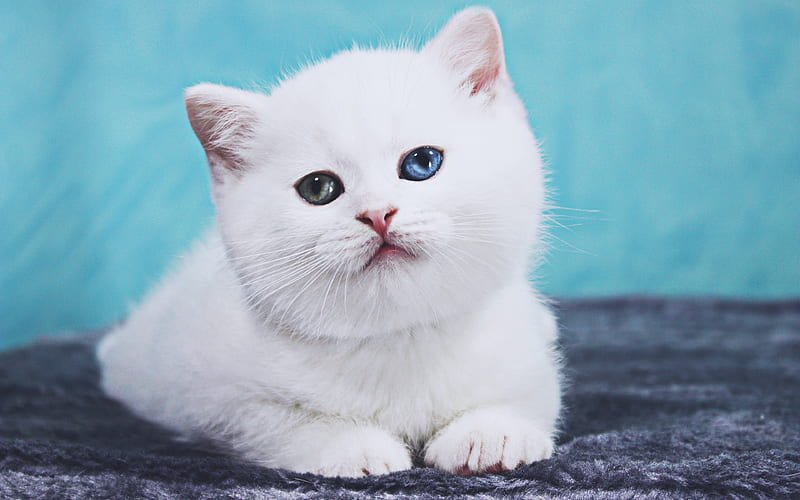
- Eyes: Large, round, and expressive; can be deep sapphire blue, gold, copper, or odd-eyed (one blue, one gold).
- Coat: Short, dense, crisp, with more hairs per square inch than most breeds; resilient but prone to visible dirt in whites. Pure white coat maintained untipped and free of yellowing as per CFA standards.
- Genetic Considerations: Deafness affects 20–40% of blue-eyed whites due to the dominant white gene.
- Variants & Popularity: White British Shorthairs with copper eyes or odd-eyed variations are celebrated on social media, especially Instagram.
Overall, the breed’s physical traits combine strength, elegance, and a distinctive charm that appeals to breeders and cat enthusiasts alike.
Breed Standards and Show Information for White British Shorthair Cats
These kittens follow strict breed standards defined by major organizations like CFA, TICA, and GCCF. These standards ensure balance, proportion, and consistency while discouraging hybridization. Ethical breeders also perform health tests to maintain show eligibility and overall feline wellness.
CFA Breed Standards (Points Allocation):
- Head (30 points): Circular shape (25 points), short nose, level eyes (shape prioritized over color), strong chin.
- Body (30 points): Muscular, cobby build with balanced proportions.
- Coat (20 points): Dense, plush, sound to the roots, no tabby markings (tabby may appear in kittens under 5 months).
- Color (20 points): Pure white without yellow tipping; eye colors include deep sapphire blue, gold, or copper.
Disqualifications Include:
- Yellow tipping on the coat.
- Long nose or weak chin.
- Hybrid markings or uneven coat texture.
Show Practices Across Registries:
- CFA: Evaluates points per category and emphasizes coat purity and evenness (15 points for color uniformity).
- TICA: Focuses on muscular build and plush coat quality.
- GCCF: Accepts a slightly broader range of patterns but maintains strict standards for overall type and health.
Preparation for shows involves regular grooming, health checks, and adherence to registry rules, ensuring that white British Shorthair cats not only look their best but also meet the highest breed standards.
Color Genetics and Patterns in british shorthair cat white
The white coat in British Shorthair cats results from the dominant W gene, which masks all other colors to create a solid white appearance. This gene is also linked to blue eyes and a higher risk of deafness, especially in homozygotes. Understanding color genetics helps breeders maintain coat purity and predict offspring patterns.
Key Genetic Traits and Patterns:
- Dominant White (W): Produces solid white coats, may cause blue eyes and deafness in some cats.
- Bicolour: White with colored patches, typically on the body or face.
- Van Pattern: White body with color restricted to the head and tail.
- Hidden Genes: Whites may carry recessive tabby or colorpoint genes, which can appear in kittens.
- Rare Variants: Shaded whites with silver tipping add elegance; these are less common but visually striking.
Comparisons to Other Colors:
- Blue (dilute black): Produced by a recessive gene, with medium shades preferred.
- Chocolate/Lilac Solids: Not accepted for white cats by CFA, though whites are fully recognized.
- Corin Gene: May cause white toes in non-white cats and can disqualify show cats.
Maintaining genetic diversity is essential to ensure health, prevent deafness, and preserve the pure white coat that makes the white British Shorthair so iconic. Ethical breeders combine careful selection with genetic testing to uphold these standards.
Understanding the Personality of White BSH Cats
White British Shorthair kittens are gentle giants—calm, affectionate, and independent without being clingy. They thrive in relaxed homes and communicate with soft purrs or “squeaks” instead of loud meows. These cats tolerate children and pets well, making them ideal for families who search for “white British Shorthair cat personality.”
Key Traits:
- Temperament: Calm, even-keeled, and dignified; playful in short bursts.
- Affection: Enjoy human interaction but appreciate personal space; not overly clingy.
- Communication: Soft purrs, gentle “squeaks,” and “motorboat-like” sounds.
- Compatibility: Good with children and other pets, especially with early socialization.
- Activity: Generally low-energy; may become lazy if not stimulated, leading to obesity.
- Adaptability: Thrive in busy households, apartments, or homes with varying routines.
Pros and Cons:
- Pros: Low-maintenance, playful, tolerant, and affectionate.
- Cons: Can appear aloof, may gain weight without proper activity, and sometimes be reserved.
Despite their reserved appearance, white British Shorthairs mirror the overall breed’s gentle and balanced personality. Enthusiasts often note their grace, resilience, and charming expressions, making them both visually striking and delightful companions.
Comparison to Other Breeds or Variants
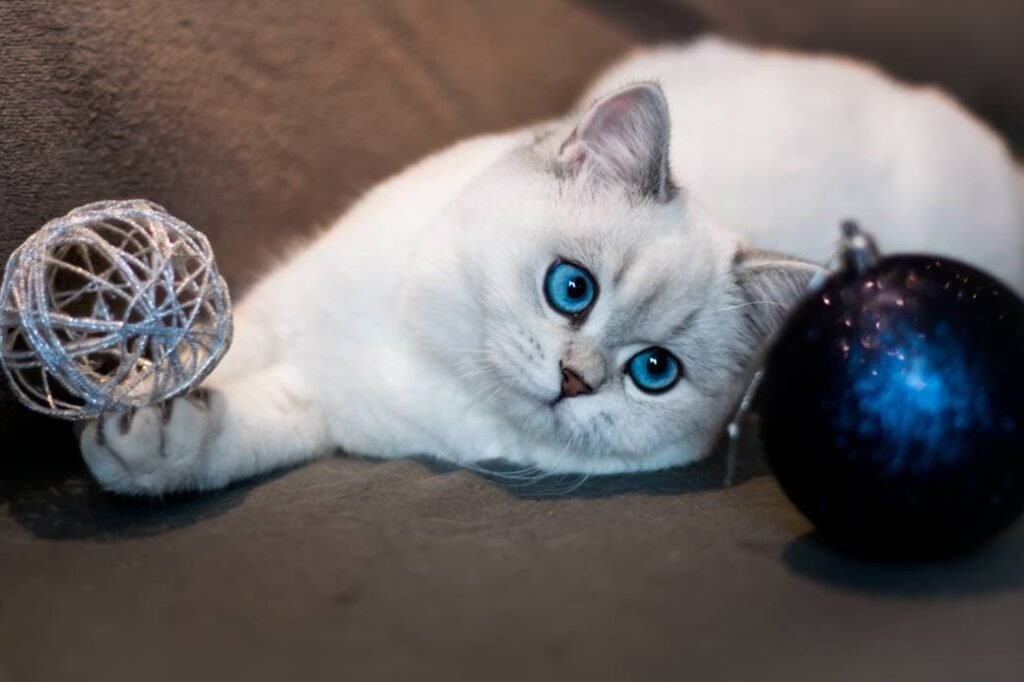
When you compare white British Shorthair vs British Blue, both share the same build and temperament, but blues remain more common (half of CFA registrations) with grey-blue coats and copper eyes. Whites stay rarer, prone to deafness, but equally calm.
| Trait | White British Shorthair | British Blue | Russian Blue |
|---|---|---|---|
| Coat Color | Pure white, no yellowing | Solid grey-blue | Silver-tipped blue |
| Eye Color | Blue, gold, copper, odd-eyed | Copper-orange | Green |
| Temperament | Independent, affectionate | Similar, calm | Playful, finer-boned |
| Health Risks | Deafness (20-40%) | HCM (20.4% males) | Less genetic issues |
| Rarity | Moderate-rare | Most common | Distinct breed |
On the other hand, compared to other whites, unlike Turkish Van (van pattern), whites appear solid. The British Longhair variant has a longer coat but identical traits. For “white British Shorthair vs British Blue,” whites show dirt more but remain equally robust. Subsequently, choices depend on preferences.
Care and Maintenance for White British Shorthair Cats
Grooming and Coat Care:
White British Shorthairs have dense, plush coats requiring weekly brushing to remove loose hair, prevent mats, and reduce staining. Use hypoallergenic wipes for tear stains or dirt, as they are not fully hypoallergenic. Start grooming kittens early with positive reinforcement to build good habits.
Diet and Nutrition:
- Feed high-protein, low-carb formulas (200–300 calories/day) to prevent obesity.
- Include weight-management options such as Purina Pro Plan or similar premium brands.
- Eco-friendly trends in 2026 favor organic foods and recycled toys.
- Puzzle feeders provide mental stimulation and engagement.
Exercise and Training:
- Engage cats in 15–20 minutes daily of play using feather wands, laser pointers, or climbing on cat trees.
- Use positive reinforcement for litter training and tricks like fetch.
- Early socialization helps prevent stubborn behaviors and supports adaptability.
Health Considerations:
White British Shorthairs generally live 12–20 years, but have breed-specific risks:
- Hypertrophic cardiomyopathy (HCM): Affects 20.4% of males, 2.1% of females; annual echo recommended.
- Polycystic kidney disease (PKD): Genetic screening advised.
- Deafness: 20–40% in blue-eyed whites; test with BAER.
- Other concerns: Hemophilia B, dental disease (70% over 3 years), cystitis.
Top 5 Health Tips:
- Annual scans for HCM and PKD.
- BAER testing for deafness.
- Balanced diet to prevent obesity and diabetes (0.24% prevalence).
- Regular dental check-ups and brushing.
- Up-to-date vaccinations against common infections.
Proactive care, regular exercise, and regular veterinary check-ups extend the lifespan and improve the quality of life for white British Shorthairs.
Adopting or Buying a White British Shorthair Kitten
The price of a white British Shorthair cat in 2026 varies widely. Reputable breeders typically charge between $1,000 and $2,500, while shelters may list them for $50–$300. When purchasing, verify that the kitten has TICA or CFA registration and has undergone thorough health testing.
For those searching for “white British Shorthair cat for adoption near me,” online platforms such as Petfinder or local rescues can help locate available kittens. Always avoid unethical mills; instead, choose breeders or rescues that offer transparency, virtual tours, and positive reviews. Ethical sourcing ensures healthy kittens and supports responsible breeding practices.
If you’re ready to bring home a kitten today, explore our available White British Shorthair Cat for sale. Each kitten is health-checked, registered, and ready to join a loving home. Start your journey to welcoming a gentle, affectionate companion today.
Frequently Asked Questions About White British Shorthair Cats
What is the white British Shorthair cat’s lifespan?
White British Shorthairs live 12–20 years, with most exceeding 12 years. With proper care, 82% reach at least 10 years, enjoying a long, healthy, and active life.
Are white British Shorthairs hypoallergenic?
No, they are not hypoallergenic. However, their dense, short coat sheds minimally, making them easier to maintain than long-haired breeds.
How much do white British Shorthair kittens cost?
Kittens range from $800–$3,000 from reputable breeders and $50–$300 from shelters, depending on pedigree, location, and health certifications.
Did the Cheshire Cat inspire the white British Shorthair?
Yes, the Cheshire Cat’s famous smile was inspired by the British Shorthair’s round face, expressive eyes, and charming demeanor, including white variants.
Where can I find white British Shorthair on TikTok/Instagram?
These cats are popular on TikTok and Instagram, often featured for odd eyes or chimerism. Search hashtags like #WhiteBritishShorthair for viral photos and videos.
Conclusion
The White British Shorthair cat combines timeless charm with modern appeal. Whether drawn to their pure coat or calm personality, these cats brighten any home. Explore available White British Shorthair cats for sale or adoption today to find your perfect companion.
