

People searching for British Shorthair cat breeders often seek a calm, affectionate, and visually striking companion. Known for their plush coats, round faces, and teddy-bear appearance, British Shorthairs are one of the most popular pedigree cat breeds worldwide.
Whether you’re exploring British Blue kittens for sale or comparing different coat colors and bloodlines, choosing a reputable breeder is essential. Ethical, registered breeders prioritize health testing, proper socialization, and breed standards—ensuring you bring home a healthy kitten with a stable temperament.
In this guide, you’ll learn everything you need to know before buying a British Shorthair kitten. We’ll cover the breed’s history, physical standards, personality traits, pricing, and ongoing care needs. You’ll also discover how to identify responsible breeders, avoid common scams, and confidently choose the right kitten for your home.
History of British Shorthair Cats: From Roman Mousers to Modern Companions
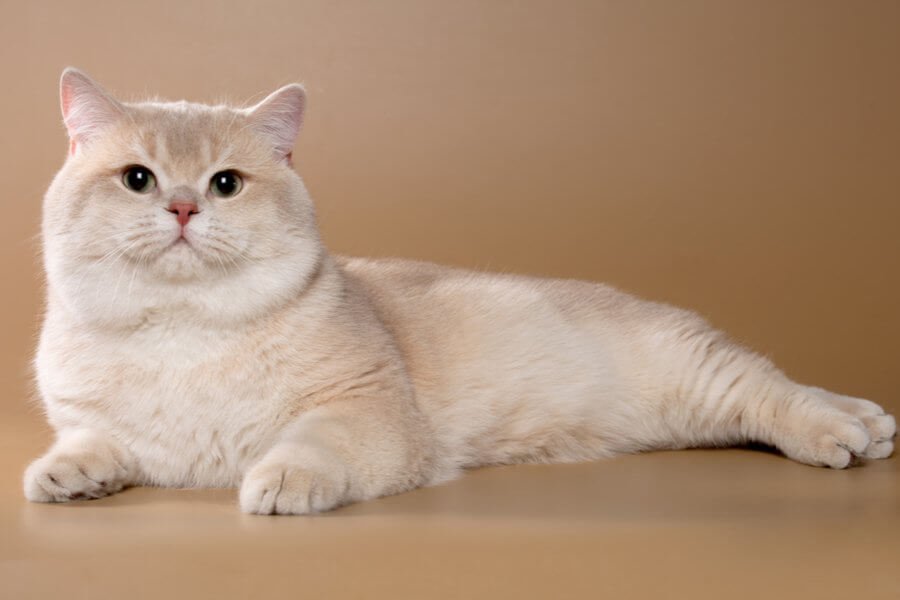
British Shorthair cats have a history that stretches back over 2,000 years. Many experts believe Roman soldiers brought early domestic cats to Britain around 43 AD, where they helped protect food supplies from rodents. Over time, these working cats adapted to the climate, developing the dense coats and sturdy builds seen in the breed today.
By the late 1800s, breeders in Britain began refining the modern British Shorthair, especially the iconic British Blue. The breed gained public attention at the famous 1871 cat show held at the Crystal Palace. However, both World Wars caused a sharp population decline, prompting breeders to carefully outcross with Persians and other breeds to preserve key traits such as the plush coat and round face.
Today, British Shorthairs remain popular for their calm temperament, quiet nature, and adaptability—qualities that continue to attract responsible breeders and pet owners alike.
British Shorthair Breed Standard: Size, Appearance & What Responsible Breeders Follow
Responsible British Shorthair cat breeders carefully follow CFA and TICA breed standards to maintain quality and consistency. Reputable British Shorthair breeders produce cats with a compact, powerful, semi-cobby body, featuring a broad chest, sturdy legs of short-to-medium length, and rounded paws. The tail remains thick at the base and ends with a rounded tip.
The head is distinctly broad and round, with full cheeks, a firm chin, and medium-sized ears set wide apart. Large, round eyes and a medium-broad nose with a gentle stop give the breed its signature expression. Male British Shorthairs often develop prominent jowls and typically weigh 12–18 lbs, while females usually range between 9–15 lbs.
The coat is one of the breed’s defining features. It should be short, extremely dense, plush, and slightly crisp to the touch—never woolly or flat. Ethical British Shorthair breeders prioritize this unique coat texture as part of the official breed standard.
British Shorthairs mature slowly, reaching full size and coat development between 3 and 5 years. According to breed standards, show judges may disqualify cats with long or slender bodies, mismatched eye colors, or signs of hybridization. These strict guidelines help preserve the breed’s iconic teddy-bear appearance and support long-term health.
British Shorthair Kittens for Sale: Color Varieties from British Blue to Golden Shaded
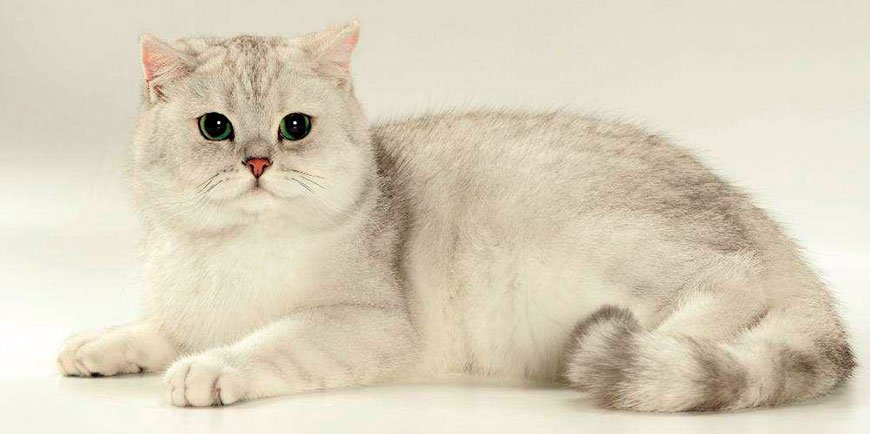
Ethical British Shorthair cat breeders offer a wide range of stunning coat colors and patterns, making it easier for buyers to find a kitten that matches their preferences. The most popular varieties are outlined in the table above.
| Pattern | Popular Examples | Typical Eye Color | Rarity & Notes |
|---|---|---|---|
| Solid | British Blue, Black, Chocolate, Lilac, Cream | Copper/Gold | Common (Blue); Rare (Lilac/Chocolate) |
| Tabby | Brown Tabby, Blue Tabby | Copper/Gold | Classic warm appearance |
| Shaded/Chinchilla | Golden Shaded, Silver Shaded | Green (silvers) | Rising demand with shimmering tips |
| Other | Bicolor, Colorpoint | Varies | Specialty lines |
British Blue kittens remain the most in-demand due to their plush slate-gray coats and striking copper or gold eyes. In addition, show-quality adult cats are occasionally available for immediate placement, which can appeal to buyers looking to skip the kitten stage.
Brown tabby British Shorthairs are equally admired for their rich, warm tones and bold markings. Meanwhile, rarer solid colors such as chocolate and lilac are highly sought after for their unique, velvety appearance. Lilac, in particular, stands out with its soft pink-gray hue.
Golden shaded British Shorthair kittens are rapidly growing in popularity thanks to their glowing, honey-tipped coats and vivid green eyes, giving them a luxurious, eye-catching look.
Before contacting breeders, it is essential to request recent photos and full pedigree color charts. Keep in mind that coat color and shading may change slightly as kittens mature.
British Shorthair Cat Breeders Guide: Prices, Pros, Cons & Buying Tips
Pros of British Shorthair Cats
- Calm and quiet temperament, ideal for apartments and busy homes
- Gets along well with children, dogs, and other cats
- Low-maintenance grooming due to their dense, plush coat
- Loyal and affectionate without being overly clingy
- Adaptable to different lifestyles and environments
- Long lifespan of around 12–17 years with proper care
Cons of British Shorthair Cats
- Prone to weight gain, requiring strict portion control
- Moderate shedding, especially during seasonal changes
- Slow maturity, taking years to reach full adult appearance
- Possible hereditary health issues (reduced with responsible breeding)
- Prefers ground-level play rather than climbing or high activity
British Shorthair Kitten Price Guide
- Pet-quality kittens typically range from $1,500 to $3,000
- Show-quality or breeding rights kittens cost significantly more
- British Blue kittens often fall on the higher end of the price range
- Rare colors (lilac, chocolate, golden shaded) command premium prices
- Pricing varies based on breeder reputation, bloodline, and location
What to Expect From Reputable British Shorthair Breeders
When you buy a British Shorthair kitten from reputable British Shorthair breeders, you should receive the following:
- Pedigree papers from recognized organizations (TICA, CFA, or GCCF)
- Age-appropriate vaccinations
- Deworming records
- Microchip identification
- Written health guarantee
- Spay/neuter agreement (for pet-quality kittens)
In addition, responsible breeders raise their British Shorthair kittens in home environments to ensure proper socialization and healthy development.
Most reputable British Shorthair breeders allow kittens to leave between 12 and 16 weeks of age, ensuring they are fully weaned, litter-trained, and ready for a smooth transition into their new home.
British Shorthair Cat Breeders: Health, Nutrition, Grooming, and How to Choose Ethical Catteries
Common Health Concerns in British Shorthair Cats
British Shorthair cat breeders produce generally healthy cats; however, certain conditions still require attention:
- Hypertrophic cardiomyopathy (HCM), which requires annual heart screening
- Polycystic kidney disease (PKD) is preventable through DNA testing
- Obesity due to a naturally low activity level and a strong appetite
- Dental issues linked to their broad facial structure
Therefore, always choose reputable British Shorthair breeders who perform proper health testing.
Preventive Care and Long-Term Health
To maintain your cat’s health:
- Schedule annual veterinary checkups, including heart screenings
- Maintain a healthy weight through portion control and daily play
- Brush teeth weekly using cat-safe dental products
These simple steps significantly improve long-term well-being.
Best Diet for British Shorthair Cats
You should feed British Shorthairs a balanced, high-quality diet:
- High-protein food with real meat as the first ingredient
- Moderate fat and low carbohydrates
- Wet food to support hydration
- Controlled portions (two meals daily for adults)
In addition, use puzzle feeders to encourage mental stimulation. Always consult your veterinarian before introducing raw or homemade diets.
Grooming and Daily Care Routine
British Shorthairs require minimal but consistent grooming:
- Brush the coat once a week using a steel comb
- Trim nails every 2–3 weeks
- Maintain regular dental care
Meanwhile, provide 15–30 minutes of daily play using toys like teaser wands or laser pointers. Since they prefer ground-level activity, focus on cozy spaces and window perches.
How to Choose Ethical British Shorthair Breeders
Responsible and ethical British Shorthair breeders follow strict standards:
- Limit the number of litters each year
- Raise kittens in a home environment
- Provide full transparency on health records
- Share HCM and PKD test results
- Offer lifetime support to buyers
Red Flags to Avoid When Choosing a Breeder
In contrast, avoid breeders who:
- Offer very young kittens for immediate sale
- Do not provide contracts or health guarantees
- Keep multiple unrelated breeds in one location
- Refuse to show living conditions or documentation
Therefore, begin your search through trusted directories such as TICA, CFA, or GCCF, and verify each breeder carefully.

FAQs About British Shorthair Cat Breeders
How much does a British Shorthair kitten cost?
Pet-quality British Shorthair kittens usually start around $1,500. However, rare colors and show-quality bloodlines from reputable British Shorthair breeders can cost significantly more.
Are British Shorthairs good with children?
Yes. British Shorthair cats have a calm and tolerant personality, which makes them excellent companions for families with children.
Do British Shorthairs shed a lot?
They shed moderately throughout the year. Regular weekly brushing helps control loose hair and keeps their coat healthy.
Is raw feeding recommended for British Shorthair cats?
Raw feeding can be beneficial if properly balanced. Always consult a veterinarian to ensure your cat receives complete and safe nutrition.
How do I find TICA-registered British Shorthair breeders?
You can use official directories like TICA or CFA to find reputable British Shorthair breeders. Always verify health records and breeder credentials before buying.
What distinguishes British Blue from other colors?
British Blue is the most popular color, known for its solid gray coat. Other colors, such as golden or lilac, offer different tones and a unique visual appeal.
Are British Shorthairs prone to health issues?
They are generally healthy, but conditions like HCM and PKD can occur. Choosing ethical British Shorthair breeders who perform health screening reduces these risks.
Do British Shorthairs make good first cats?
Yes. Their easygoing nature and low-maintenance care needs make them a great choice for first-time cat owners.
How long do British Shorthair cats live?
British Shorthairs typically live between 12 and 17 years when they receive proper care, nutrition, and regular veterinary checkups.
Can I adopt a British Shorthair instead of buying one?
Yes, adoption is possible, although availability may be limited. Check rescue organizations or visit shorthaircattery.com.
Final Thoughts on British Shorthair Cat Breeders and Choosing the Right Kitten
Whether you are searching for British Blue kittens for sale, a rich brown British Shorthair, or another unique variety, this guide helps you choose with confidence. By working with reputable British Shorthair cat breeders, you increase your chances of bringing home a healthy and well-socialized kitten.
If you still have questions about colors, health screening, or how to choose a British Shorthair breeder, feel free to leave a comment below. The right guidance makes the process easier and more rewarding.
Start your journey today and enjoy the experience of welcoming a loyal and plush British Shorthair into your home.
