

Searching for a British Shorthair near me? This guide explains exactly how to find a legitimate breeder, cattery, or adoption option in your area, what to budget for, how to spot scams, and what to expect once you bring one home.
The British Shorthair ranks among the most popular pedigree cats worldwide, and owners recognize it by its round face, dense plush coat, and easygoing temperament. Whether you plan to buy a kitten or adopt an adult, knowing how to search locally and what to verify will save you time, money, and disappointment.
What Is a British Shorthair Cat?
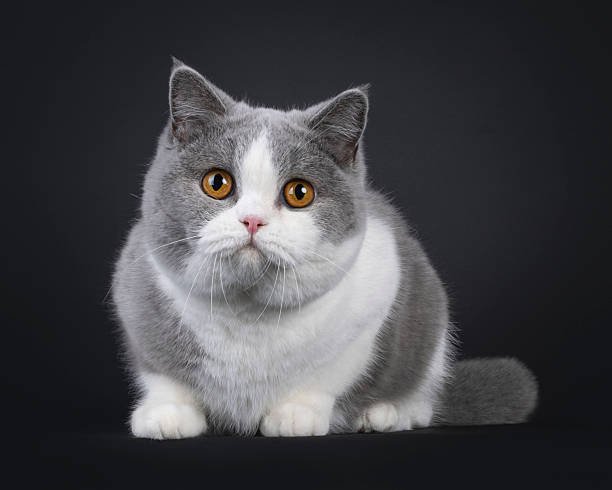
The British Shorthair is a medium-to-large pedigree cat breed with a dense, plush coat, a round face, chubby cheeks, and a calm, independent temperament. Breeders in the UK developed the breed generations ago, and while most people recognize the “British Blue” color variant first, the breed actually comes in many colors and patterns today.
Beyond appearance, this breed stands out for staying quiet and tolerant while needing little constant attention. As a result, the breed suits first-time cat owners and busy households particularly well.
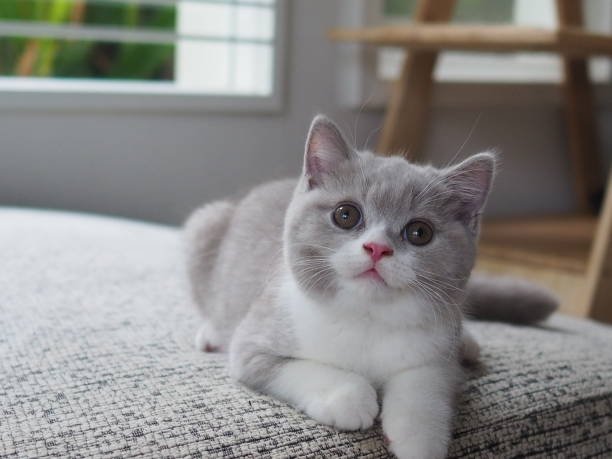
Key British Shorthair Breed Traits
| Trait | Description |
|---|---|
| Size | Medium to large; males typically outweigh females. |
| Coat | Short, dense, plush; sheds moderately |
| Temperament | Calm, affectionate on its own terms, independent |
| Activity level | Low to moderate; prefers lounging to climbing |
| Good with kids/pets | Yes, generally tolerant and easygoing. |
| Maintenance level | Low to moderate; needs weekly grooming and weight management |
How to Actually Find a British Shorthair Near You
Most guides stop at “find a breeder” without explaining how. So, here’s the practical approach:
- Start with breed club locator tools. Registries like TICA, CFA, and GCCF maintain searchable breeder directories that let you filter by region, which gives more reliable results than a generic web search.
- Search Google Maps, not just Google Search. When you type “British Shorthair cattery” directly into Maps, you’ll surface local businesses along with reviews, photos, and contact details that standard search results often bury.
- Check Google Business Profile reviews carefully. Look for repeat mentions of health guarantees, cleanliness, and post-sale support rather than just “cute kittens.”
- Join regional cat breed groups on Facebook or forums. Local breeders and rescues often post litter announcements there before listing elsewhere.
- Set radius alerts on adoption platforms. If you’re open to adoption, most shelter listing sites let you set a location radius and notify you when a British Shorthair or mix becomes available.
- Consider transport if you can’t find one truly nearby. When no reputable breeder exists within a reasonable distance, many buyers work with breeders a few states or regions away and arrange pet-safe transport instead. If you go this route, factor the extra cost and timeline into your planning.
How to Avoid British Shorthair Scams
Because “for sale near me” searches attract a disproportionate number of fraudulent listings, stay alert for fake photos, deposit scams, and kittens that don’t exist. To protect yourself:
- Never send a deposit without a video call or in-person visit first. Legitimate breeders will show you the kitten and parents live.
- Watch for prices far below the typical market range. Scammers frequently use unusually cheap “purebred” kittens as bait.
- Verify registration numbers directly with the registry. Don’t just take the breeder’s word for it—cross-check the ID yourself.
- Run a reverse image search on listing photos. If the same photos appear elsewhere online, treat that as a major red flag.
- Insist on a written contract before you pay anything. If a seller pressures you to skip the contract or wire money immediately, walk away.
How Much Does a British Shorthair Cost Near Me?
Pricing varies significantly depending on region, coat color, pedigree quality, and whether you buy or adopt.
| Route | Typical Cost Range | Notes |
|---|---|---|
| Pet-quality kitten from a breeder | $2500 | Varies by region and breeder reputation |
| Show-quality/rare-colored kitten | 800$ | Champion bloodlines and rare colors command a premium. |
| Adoption through rescue | 300$ | Often includes spay/neuter and initial vaccinations |
| Cattery-sourced kitten | $1500 | Depends on specialization and bloodline |
Since exact prices shift by country, region, and season, you should always request current pricing directly from breeders or shelters near you rather than relying on generic averages.
Ongoing Costs to Budget For
- Quality cat food, since the breed tends toward weight gain
- Routine veterinary checkups and vaccinations
- Grooming supplies for weekly brushing
- Pet insurance, given the breed’s predisposition to certain heart conditions
- Litter, toys, scratching posts, and general upkeep
Health Issues to Know Before You Buy
- Hypertrophic cardiomyopathy (HCM): A heart condition, so responsible breeders screen parent cats for it before breeding.
- Polycystic kidney disease (PKD): Vets associate this more closely with related breeds, but it’s still worth asking about during health screening.
- Obesity: Because the breed combines a calm nature with a hearty appetite, weight management matters throughout its life.
- Dental issues: Regular veterinary checkups help catch problems early.
Before you commit to a kitten, always request proof of parental health screening, and afterward, schedule a veterinary check-up soon after bringing your kitten home.
British Shorthair vs. Similar Breeds: Which One Fits You?
If you’re still deciding, it helps to see how the British Shorthair compares to breeds people often consider alongside it.
| Breed | Coat | Temperament | Activity Level |
|---|---|---|---|
| British Shorthair | Short, dense, plush | Calm, independent | Low to moderate |
| British Longhair | Long, dense | Similar to Shorthair, slightly more affectionate | Low to moderate |
| Scottish Fold | Short or long, folded ears | Sweet, sociable | Moderate |
| Exotic Shorthair | Short, plush, flat face | Quiet, laid-back | Low |
For example, if you like the Shorthair’s build and temperament but want a longer coat, the British Longhair makes the closest alternative worth researching.
How to Care for a British Shorthair Kitten or Cat
Grooming
Their dense coat sheds moderately, especially during seasonal changes. Therefore, brushing once or twice weekly controls shedding and prevents matting.
Diet and Exercise
Since they tend toward weight gain, portion control matters more than it does for many other breeds. To offset their naturally low activity level, try interactive toys and short daily play sessions.
Environment
Because they adapt well to indoor, apartment-style living, they don’t need much space to stay content. A few climbing perches, scratching posts, and window seats usually provide enough enrichment.
Common Mistakes to Avoid When Buying
- Buying from unverified online listings without a video call or in-person visit
- Skipping health documentation, which risks unexpected vet costs later
- Underestimating grooming needs by assuming a short coat means no shedding
- Ignoring scam red flags like below-market pricing or deposit-only payment demands
- Choosing based on appearance alone without considering household fit
Frequently Asked Questions
Pricing depends heavily on region, coat color, and breeder reputation; rare colors and show-quality kittens typically command the highest prices. Adoption fees through rescues, meanwhile, tend to run far lower than breeder prices.
Yes. Since they stay tolerant and unbothered by household activity, they make a strong fit for families with kids.
Compared to many pedigree cats, they generally live longer, provided they receive proper diet, weight management, and veterinary care.
Not extensively—weekly brushing usually suffices, though you should brush more frequently during seasonal shedding periods.
Buying from a breeder gives you more predictability in appearance and lineage. Adoption, on the other hand, costs less and gives a cat in need a home, though kitten availability tends to be less consistent.
The blue-grey “British Blue” remains most iconic, but the breed also comes in cream, black, white, tabby, bicolor, and several other recognized colors.
First, verify their registry ID directly with the association. Then, ask for health testing documentation, and finally, insist on visiting in person or via video call before you pay anything.
Finding Your Perfect British Shorthair Near You: Final Thoughts
Finding the right British Shorthair near you takes some legwork—you’ll need to use the right search tools, vet breeders or catteries thoroughly, and stay alert to common scams. Ultimately, though, that extra diligence upfront leads to a healthier cat and a smoother experience for years to come.
Ready to start your search? Browse our Available Kittens for Sale page for current availability, check our adoption policy if you’d rather give a cat in need a home, or contact us with any questions about the process.
