

Introduction: Ensuring the Health of Your British Shorthair Kitten
The British Shorthair is known for its gentle demeanor, striking appearance, and healthy constitution. However, like all purebred cats, British Shorthair kittens can experience specific health challenges that require the careful attention of both breeders and owners. As an experienced breeder, I believe that early detection, preventative care, and regular veterinary visits are key to ensuring your kitten grows up healthy and happy.
In this article, we will dive into the most common British Shorthair kitten health issues, how to spot them early, and what you can do to manage or prevent these conditions. By staying informed, you can provide the best care for your kitten and help them thrive.
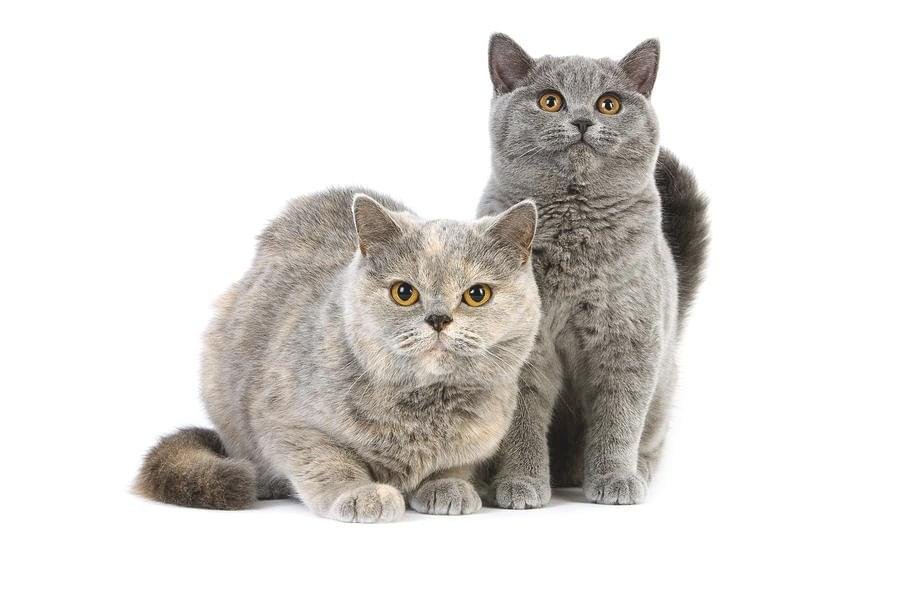
1. Hypertrophic Cardiomyopathy (HCM) Common British Shorthair Kitten Health Issues
What it is:
Hypertrophic Cardiomyopathy (HCM) is the most common heart disease in cats, including British Shorthairs. This genetic condition causes the heart muscle to thicken, reducing the heart’s ability to pump blood effectively. It is hereditary, which makes it important to choose a breeder who screens for it.
Symptoms to Watch For:
- Lethargy or weakness
- Difficulty breathing, especially after exercise
- Rapid or open-mouth breathing
- Sudden collapse or even death in severe cases
Prevention/Management:
- Genetic Screening: Responsible breeders will screen their breeding cats for HCM through echocardiograms or NT-proBNP blood tests. If you’re adopting a kitten, ensure the breeder has conducted these screenings on the parents.
- Routine Checkups: Regular veterinary visits are essential for monitoring your kitten’s heart health.
- Early Intervention: If you notice signs of HCM, seek veterinary care immediately. Early treatment can improve the quality of life and potentially extend your kitten’s lifespan.
2. Polycystic Kidney Disease (PKD)
What it is:
Polycystic Kidney Disease (PKD) is a hereditary condition where cysts form in the kidneys, eventually leading to kidney failure. British Shorthairs are genetically predisposed to PKD, which is why responsible breeding is essential for this breed.
Symptoms to Watch For:
- Increased thirst and urination
- Loss of appetite
- Weight loss or lethargy
- Vomiting or dehydration
Prevention/Management:
- DNA Testing: Always ensure your breeder tests for PKD using reliable genetic tests, such as those offered by UC Davis. This can help prevent passing the disease to kittens.
- Monitor Kidney Function: Regular veterinary checkups, especially after 6 months of age, can help detect kidney issues early.
- Diet and Hydration: If your kitten develops PKD, a kidney-friendly diet and maintaining hydration are crucial for managing the condition.
3. Obesity and Weight Management
What it is:
British Shorthairs are prone to obesity due to their calm temperament and love for food. Obesity can lead to numerous health problems such as joint issues, diabetes, and heart disease. For kittens, early weight management is vital.
Symptoms to Watch For:
- Difficulty jumping or climbing
- Noticeable fat pads around the belly
- Reluctance to play or exercise
Prevention/Management:
- Proper Diet: Ensure your kitten is fed high-quality, age-appropriate food. Avoid free feeding and provide measured portions at regular intervals.
- Exercise and Play: Encourage active playtime with interactive toys, such as feather wands or puzzle feeders.
- Monitor Weight: Weigh your kitten regularly to track their growth. Most British Shorthair kittens should weigh between 2 to 3 pounds at 8 to 12 weeks of age.
4. Dental Issues and Gingivitis
What it is:
Dental issues, including gingivitis, are common in kittens. This can lead to more serious problems if not addressed early. British Shorthairs may be particularly susceptible to dental disease as they grow older.
Symptoms to Watch For:
- Foul breath
- Drooling or difficulty eating
- Red or swollen gums
- Bleeding gums or reluctance to chew
Prevention/Management:
- Introduce Brushing Early: Start brushing your kitten’s teeth as soon as possible using a soft kitten toothbrush and pet-safe toothpaste. This will help reduce plaque buildup and prevent gum disease.
- Dental Treats: Offer special dental treats or toys that help clean teeth and massage gums.
- Routine Veterinary Checkups: Schedule regular dental checkups with your vet to catch any early signs of gingivitis or other dental problems.

5. Respiratory Infections (URIs)
What it is:
Upper Respiratory Infections (URIs) are common in kittens and can be caused by viruses such as Feline Herpesvirus (FHV) and Calicivirus (FCV). These infections can be especially dangerous to kittens whose immune systems are still developing.
Symptoms to Watch For:
- Sneezing or nasal discharge
- Watery eyes or excessive drooling
- Loss of appetite
- Fever or lethargy
Prevention/Management:
- Vaccination: Ensure your kitten is up to date on their FVRCP vaccine (Feline Viral Rhinotracheitis, Calicivirus, and Panleukopenia), which is crucial for preventing respiratory infections.
- Minimize Exposure: Keep your kitten indoors and limit exposure to other cats, especially unvaccinated ones.
- Steam Therapy: For mild symptoms, using a humidifier or steam from a warm shower can help clear your kitten’s nasal passages and ease their breathing.
- Veterinary Care: If your kitten shows signs of a severe URI, visit your vet immediately. Early treatment with antibiotics or antivirals can improve recovery.
6. Parasites (Worms, Fleas, and Mites)
What it is:
Parasites such as intestinal worms, fleas, and ear mites can affect kittens, leading to discomfort, digestive issues, and secondary infections. Regular parasite prevention is essential for British Shorthair kittens.
Symptoms to Watch For:
- Diarrhea or bloating
- Excessive scratching or hair loss
- Black debris in the ears (ear mites)
- Visible worms in the stool
Prevention/Management:
- Deworming Schedule: Follow a veterinarian-recommended deworming schedule to ensure your kitten stays free from intestinal parasites.
- Flea and Mite Prevention: Use vet-approved flea treatments, especially if your kitten is going outdoors or interacting with other pets.
- Regular Cleaning: Clean your kitten’s bedding and litter box frequently to reduce the risk of infestations.
Tips from a Breeder’s Perspective
- Choose a Reputable Breeder: Ensure the breeder tests for common genetic health issues such as HCM and PKD before breeding.
- Vet Visits: Schedule your kitten’s first vet checkup within 72 hours of bringing them home.
- Proper Diet and Nutrition: Provide a well-balanced diet that supports your kitten’s growth and development.
- Socialization: Early socialization with humans and other pets is essential for developing a well-adjusted adult cat.
- Health Records: Always ask for a complete health history, including vaccination and deworming records.
Final Thoughts About Common British Shorthair Kitten Health Issues
British Shorthair kittens are generally healthy, but they can be prone to certain conditions. Early detection and proactive care are key to managing these health issues and ensuring your kitten’s well-being. By working closely with your vet, selecting a responsible breeder, and staying informed, you can help your kitten lead a long, healthy, and happy life.
